




 |
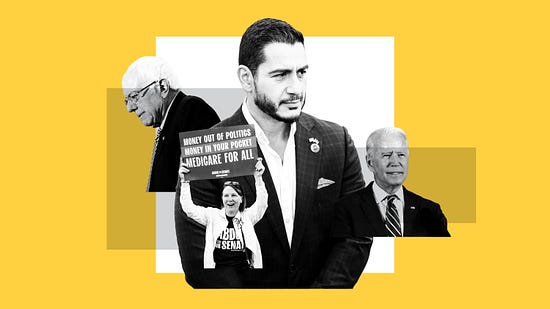
ABDUL EL-SAYED’S POSITION on health care figures to be just as big an issue in the general election for Michigan’s open Senate seat as it was during the primaries. And his position is not as obvious as it might seem.
Most people know about the Democratic nominee’s dedication to “Medicare for All,” which taken at face value means creating a single, government-run health insurance program for everyone that would largely displace private health insurance. He has frequently said (including to me) that he believes proposals that pursue universal coverage by building on existing programs—and, say, adding a public option—wouldn’t provide sufficient guarantees of coverage.
But El-Sayed has also said (again, including to me) that he recognizes getting to Medicare for All might require several steps. He has said that “as long as it reduces the power of the health care corporations, expands health care, and does so publicly, I’m for it.” He has even updated his website to include a caveat he’s made previously—that he’d allow employers and unions to keep offering private coverage, though he’s been less than clear about precisely what he means by that.¹
A big question for voters is how, as a United States senator, El-Sayed would reconcile these impulses. It’s hard to predict because his past government service, as a former city and county public health director, leaves no legislative record to use as a guide. But there is one episode from his past that offers some intriguing clues—an episode that’s gotten virtually no attention, despite distinct parallels to the current political moment.
It took place in
We know, we know: Nobody likes a paywall. Neither do we. But reporting costs money and our bill collectors remain strangely unmoved by our commitment to democracy. If you can, sign up for a Bulwark+ membership. We promise there’s good stuff on the other side.


