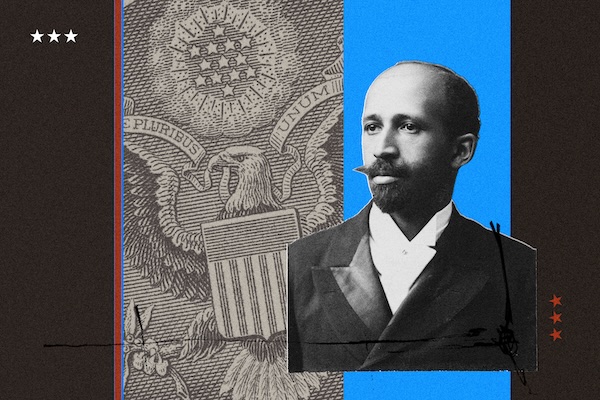
When most people hear the name W. E. B. Du Bois, what first comes to mind is the great Black intellectual’s contributions to civil rights. Yet Du Bois wrote frequently about U.S. foreign policy and the global order, too, including in five articles published in Foreign Affairs during the interwar years. This week, we’re sharing Zachariah Mampilly’s 2022 essay on why Du Bois’s work in the field of international relations has been largely forgotten—and what the world has lost from that erasure.
Among Du Bois’s key insights was the idea that “the domestic could never be divorced from the global,” Mampilly writes. In his view, “Washington’s quest for a liberal order could never be reconciled with a Jim Crow system at home”—and, conversely, “the success of democracy in the United States required that political and economic equality be extended not only to U.S. citizens but to all people around the world.”
The ills that Du Bois diagnosed in the twentieth-century international system remain relevant today, Mampilly argues. For the United States, a better understanding of his work “may be just what the country needs as it faces the waning of American imperium.”
|