
|



Welcome to the final part of our series on the passive market distortion.
Over the last two parts (Part 1, Part 2), we unpacked how passive index funds now control the market, and the demographics of the U.S. retirement system that are setting up a future where forced selling could drive prices down dramatically.
It sounds scary for an investor.
But as you’re about to see, this structural nightmare for Wall Street could be a great opportunity for us.

 |
How to Survive
At this point, the U.S. stock market is the U.S. retirement system in a way that it wasn’t in 2000 or even 2008.
So there is a reasonable argument that says the government can’t afford to allow another massive crash or lost decade.
But I prefer not to count on that.
Terry Smith still seems to think that the best defense is to own good businesses that you didn’t overpay for.
We are particularly mindful of the motor racing maxim, frequently attributed to legends like Rick Mears or Charles Jarrott, relating to the Indianapolis 500 Race, that ‘In order to finish first, you must first finish’
.This emphasizes that endurance and reliability are just as crucial as speed in the 500-mile race. You might say (and we would indeed say) that is exactly what we are trying to do by focusing on investing in companies with good fundamental business and financial characteristics and at least reasonable valuations or better.
I tend to agree with him, but I’ll take it one step further and make the argument that at least some portion of your return should not depend on the market at all, and should instead depend on the business.
 |
This way, the price of the business can go down, but cash keeps coming in to your account.
Market Outcomes vs. Business Outcomes
The passive indexing loops, momentum-driven algorithmic trading, and the inelasticity of the market we just looked at are all market problems.
They dictate the day-to-day price of a stock, but stock prices are a market outcome.
Remember that the best way to buy a stock is the same way you’d buy a local business.
You don’t buy a local pizza shop or hardware store hoping to flip it to someone else next week or next year.
 |
You pay a price based on the cash that you’ll be able to take out of the business over time.
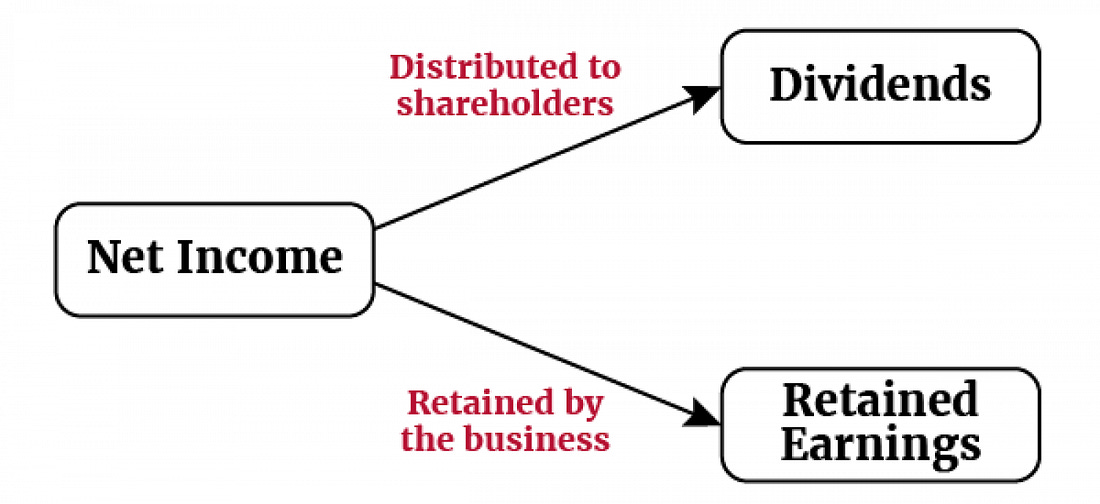
By getting at least a portion of your return from business outcomes, meaning dividends, you can protect yourself from some of this irrationality.
Dividends are paid out of a company’s free cash flow.
They are driven by the sale of actual products and services to actual customers.
They don’t care if a Vanguard Target Date Fund happened to take in a billion dollars last month.
Your Account Balance
When you rely on selling shares to fund your retirement, you are entirely at the mercy of the market outcome.
But if your portfolio generates enough dividend income to cover your living expenses, your account balance becomes largely irrelevant.
It doesn’t matter if your brokerage app says your portfolio is down 20% this year.
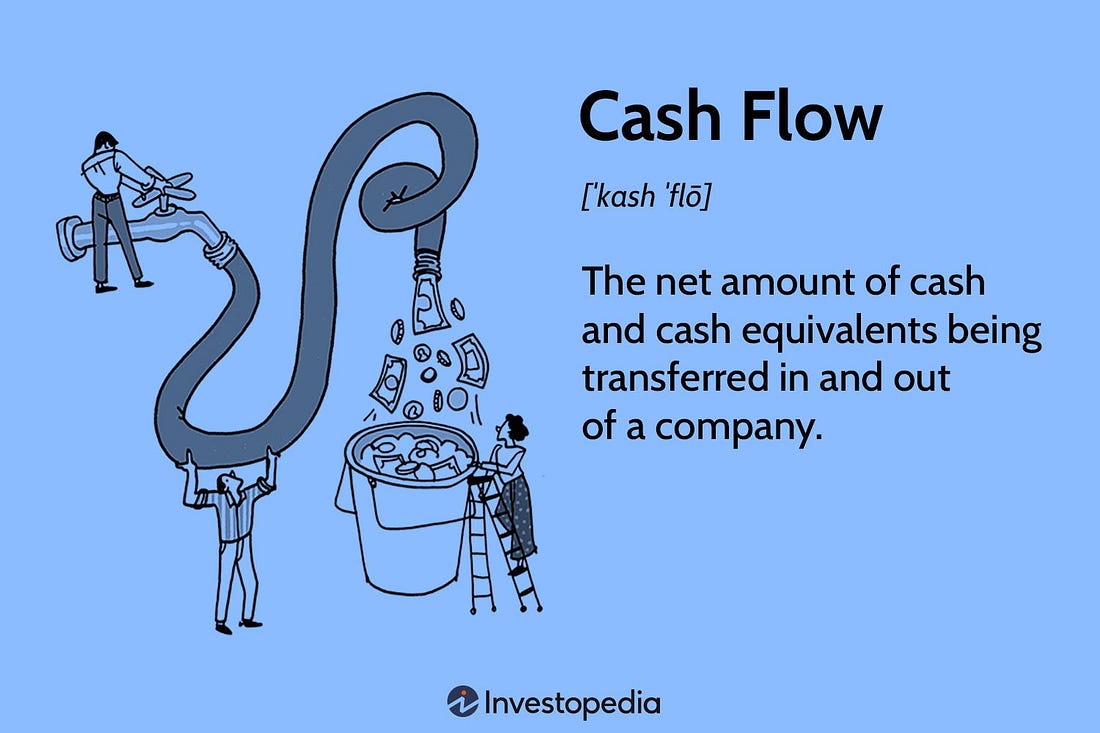
When your dividends are enough, you can just sit back and enjoy your cash flow.
 |
You don’