The race between the World Health Organization (WHO) and the Africa Centres for Disease Control and Prevention to respond to the Ebola outbreak in the Democratic Republic of Congo and Uganda has spotlighted the need to clarify the WHO’s role, functions, and comparative advantages ahead of the September nomination deadline for the next director general.
To lead this week’s edition, Anders Nordström, former acting director general of the WHO, encourages member states to focus their nominations not on personalities or geography, but on which WHO functions the world will need over the next decade. To guide those conversations, Nordström offers five considerations for reform that could allow the organization to become more focused, authoritative, independent, and strategic as it enters its next era.
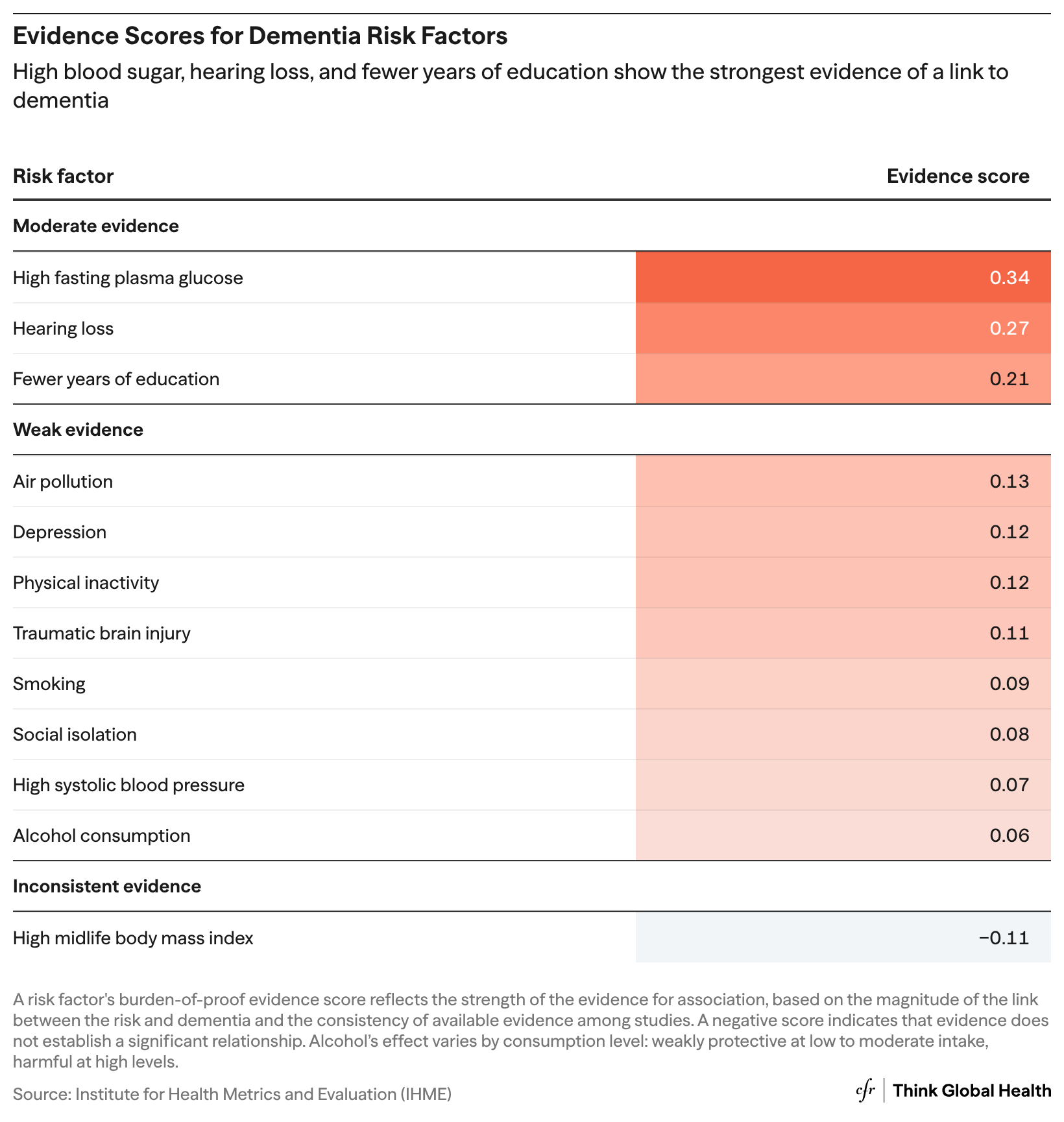
Next, Jaimie Steinmetz, lead research scientist at the Institute for Health Metrics and Evaluation, dissects the findings of her team’s recent study that reveals high blood sugar, hearing loss, and poor air quality as some of the top risk factors for dementia.
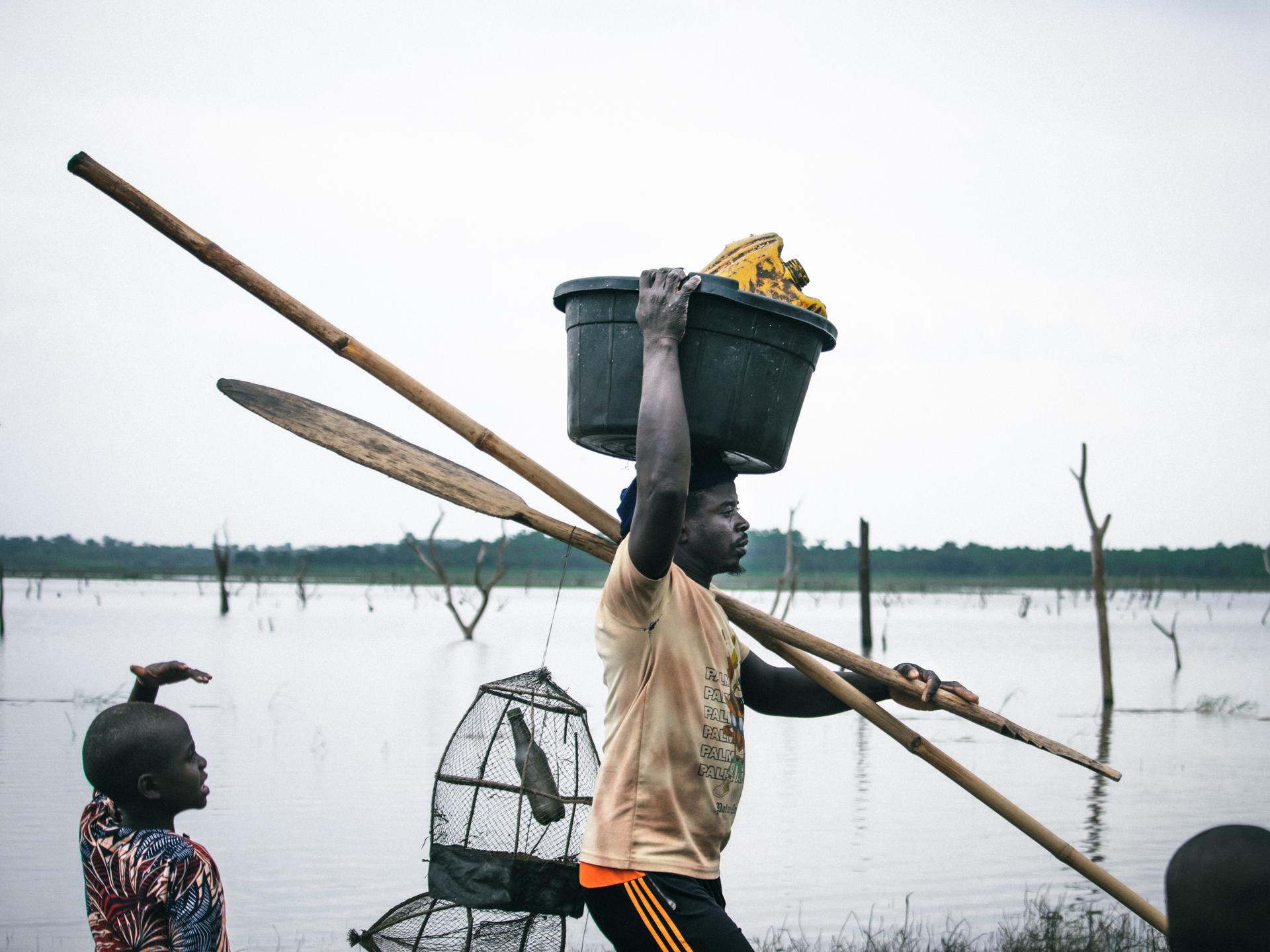
To close, William McCarthy, medical student and cofounder of the student-led nonprofit group Health in Your Hands, and fellow researchers describe how they used drone mapping to prioritize snail control, diagnosis, and treatment efforts for an integrated schistosomiasis response in Ogun State, Nigeria.
Until next week!—Caroline Kantis, Associate Editor