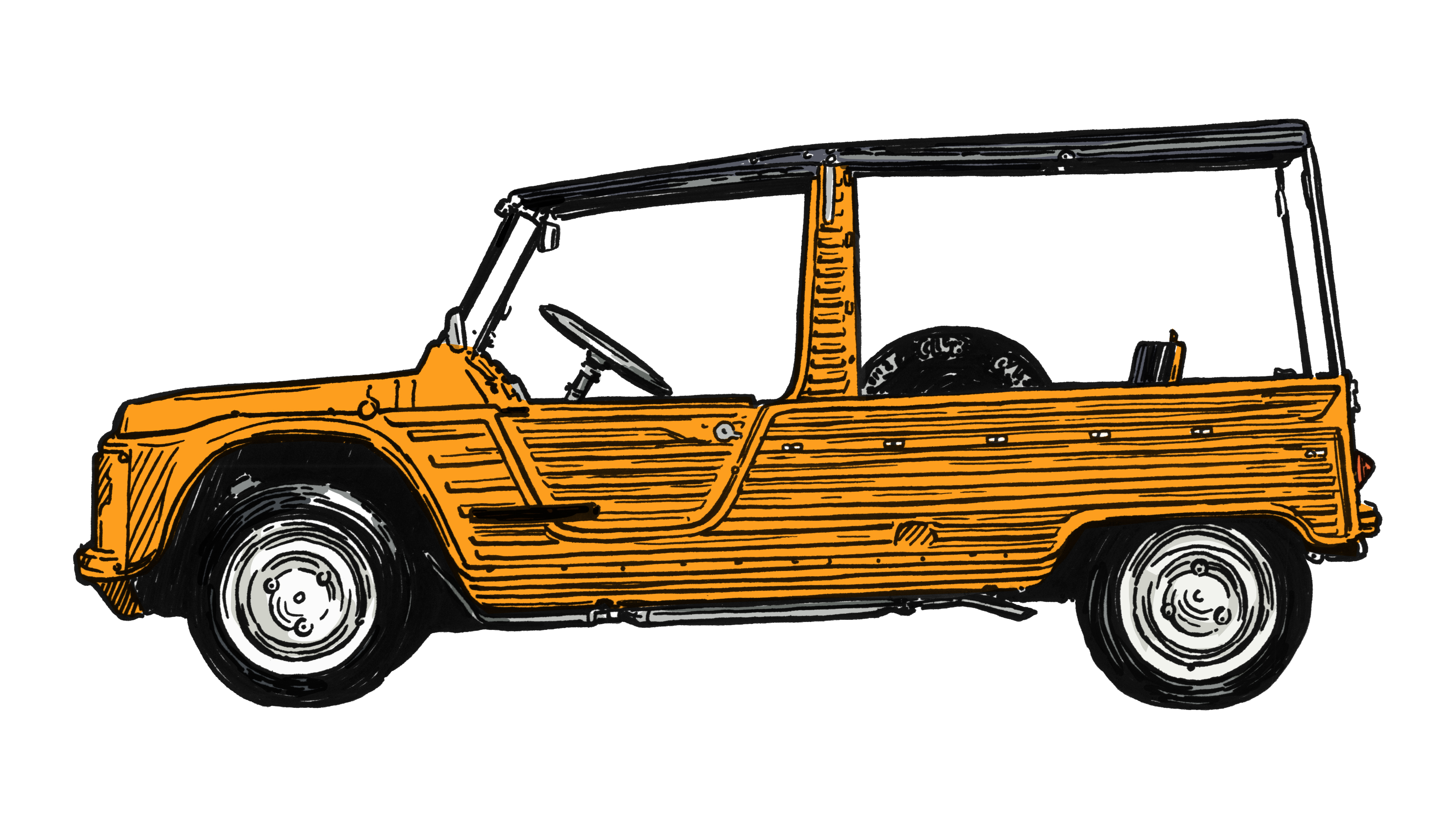
Nothing compares to this Irish guesthouse, landscape architect Bas Smets and the all-terrain Citroën Méhari.
|
Wednesday 15/7/26
|

|
|
London
Paris
Zürich
Milan
Bangkok
Tokyo
Toronto
|
|
|
|

Rub of the green
This week’s dispatch starts with a
portrait of the Irish guesthouse as an intimate escape. Then we sit down with designers
Alec Banks and Sophie Lou Jacobsen at Thuma’s flagship in New York and get behind the wheel of an Citroën Méhari before flipping through
Joel Meyerowitz’s book Morandi’s Objects. Starting things off with some quality time in Copenhagen is Gabriele Dellisanti.
|
|
OPINION: Gabriele Dellisanti
Quality control
Copenhagen consistently ranks highly on Monocle’s annual
Quality of Life survey. The listing appears in our out-now
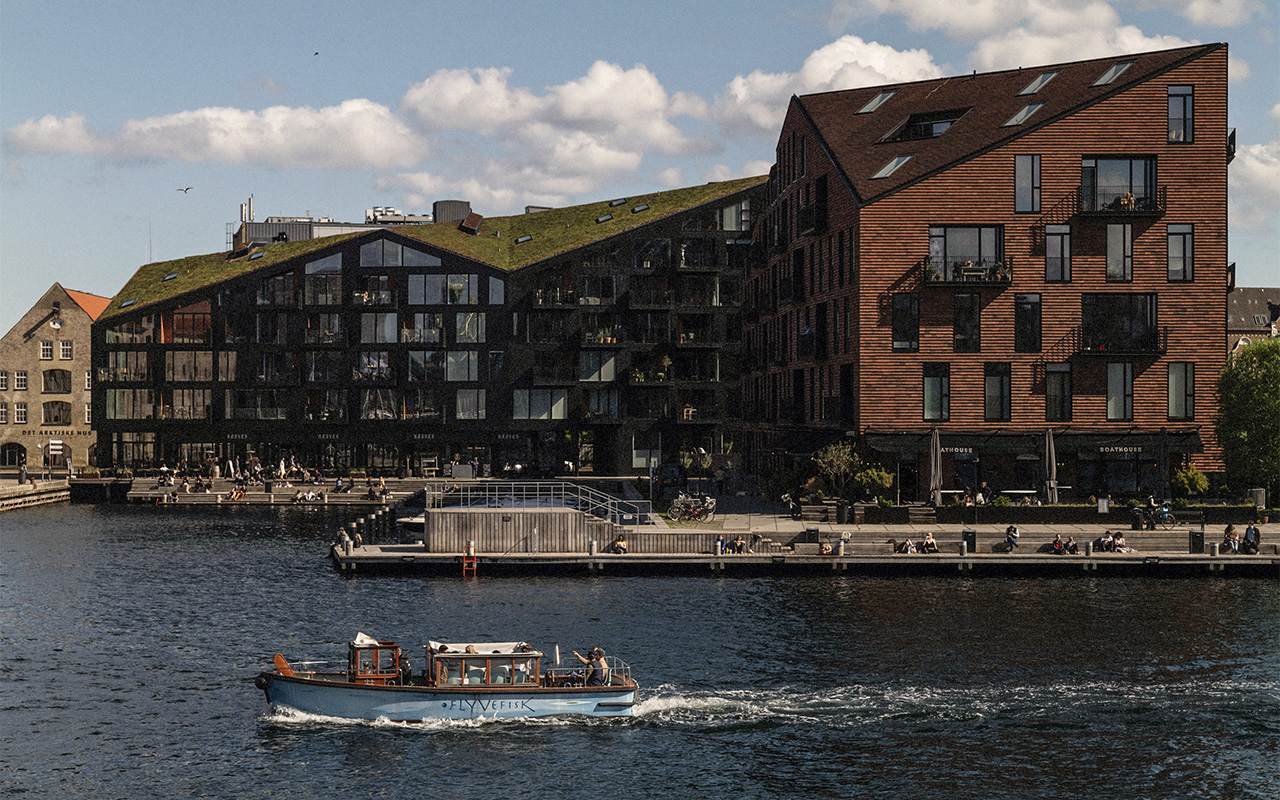
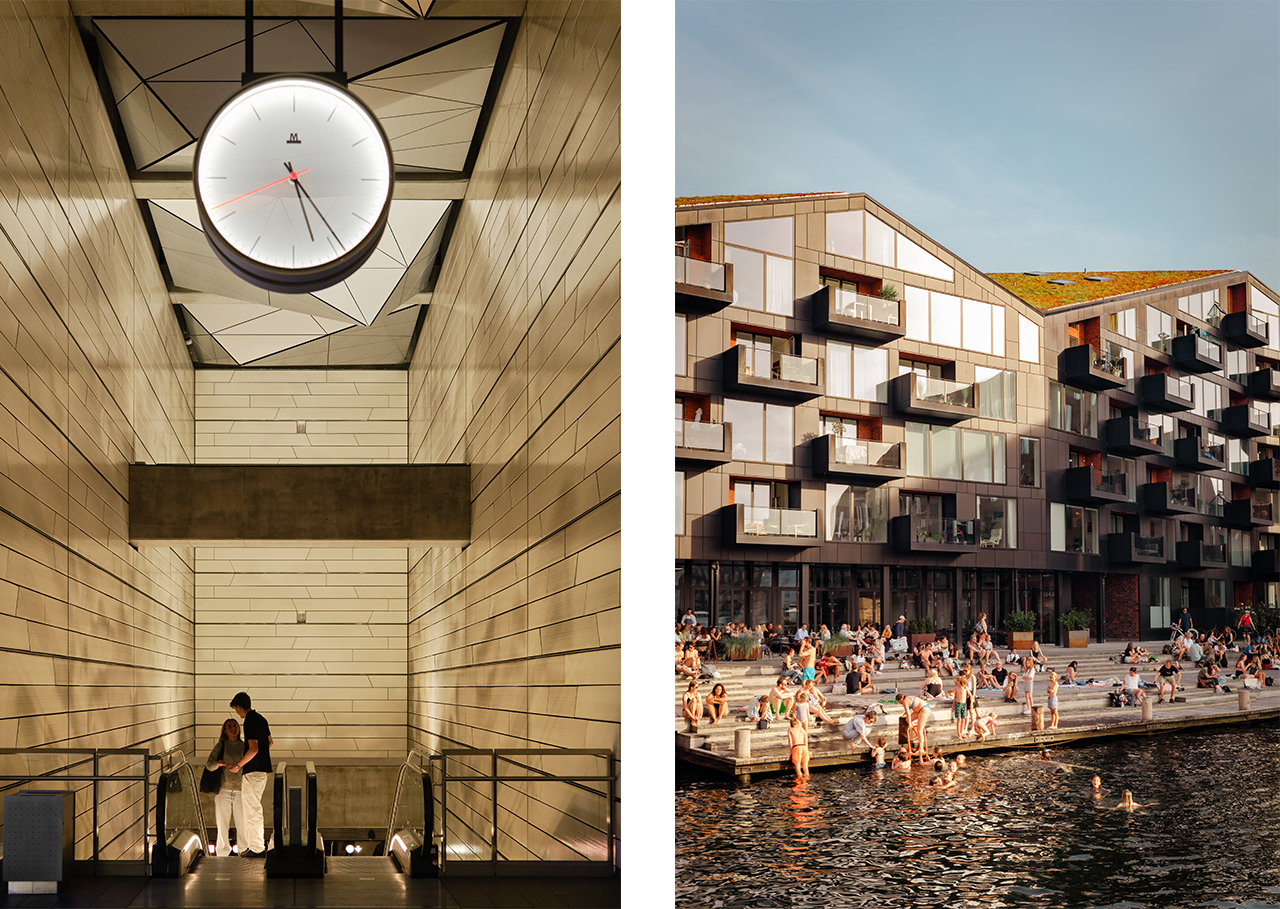
July/August issue, in which the Danish capital comes in second place. Key to its success as a liveable city is a thriving design scene that delivers considered public spaces, such as its metro stations and harbour foreshore (both pictured below), and well-furnished buildings. This design culture and ecosystem begins with free education, making creative pursuits independent of affordability, and it’s headlined by institutions such as the Royal Danish Academy. For students at Denmark’s historic institution for architecture, design, conservation and fashion, each project is an experiment.
Spend enough time in Copenhagen and you will understand the academy in a wider context. Its brick buildings are more than a campus – they’re the foundation of Copenhagen’s creative innovation.
|
The country’s consistently strong economy not only encourages graduates to remain in the Danish capital but it also encourages them to stay and find work in their fields of study. Meanwhile, the design industry is steadily expanding its reach at home and abroad. For proof you need look no further than the growing international participation of
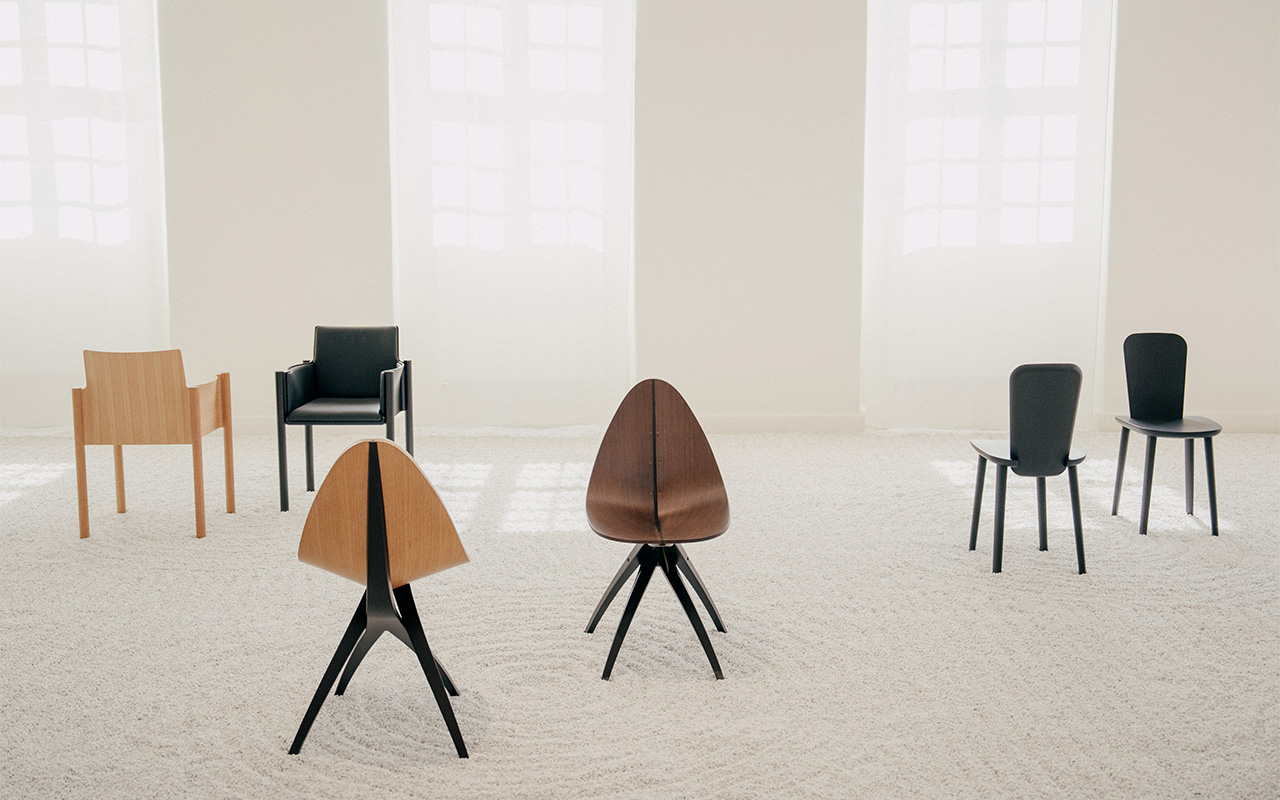
3 Days of Design (pictured below), the city’s annual design fair. Equally important is the community that sustains it. Copenhagen’s scale allows a close-knit network of designers and makers to exchange ideas and foster a culture of experimentation and cross-disciplinary collaboration that extends beyond marketing gimmicks. This vibrancy prevents complacency or a too-heavy reliance on history. Instead, Denmark’s design heritage serves as a springboard: a set of values that gives new generations of designers a framework to build on.
|
The persistent image of Danish design as monochrome and minimalist conceals a richer story. Alongside the popularised light-wood, pared-back furniture are Verner Panton’s exuberant palette and boundary-pushing creations; Finn Juhl’s sculptural forms shaped by surrealist art; Nanna Ditzel’s bold-patterned furniture. Today’s designers continue that evolution, finding strength not in muted palettes or the rejection of ornament but in something more enduring: a society that, ever since the postwar welfare state recognised design as a public good, continues to stand behind its creative class. It just goes to show that consistent quality of life doesn’t come by accident – it comes by design.
Copenhagen-based Gabriele Dellisanti is a journalist and Monocle contributor. For the full Monocle Quality of Life listing for 2026, head to monocle.com – or pick up a copy of our July/August issue now.
|
|
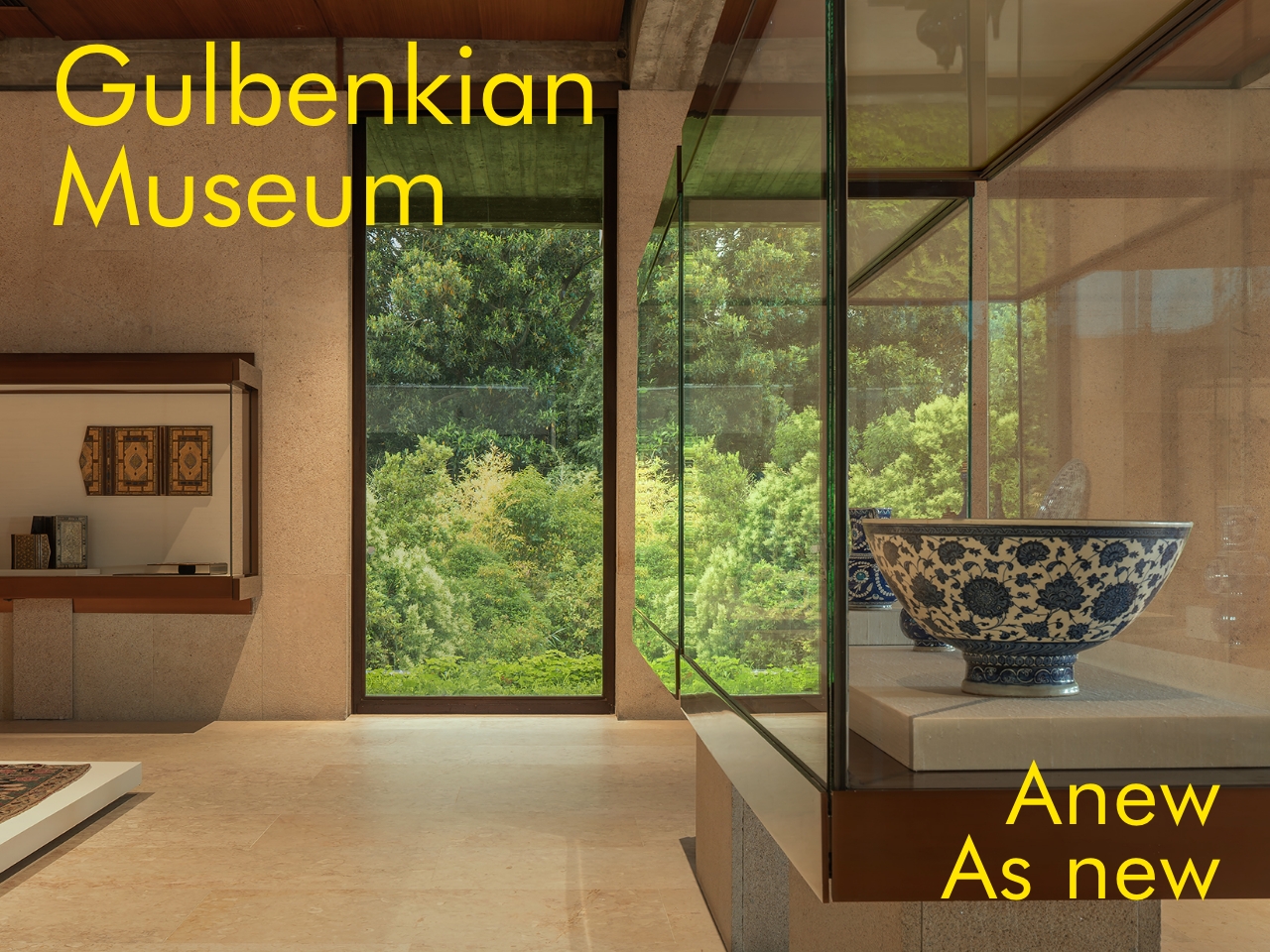
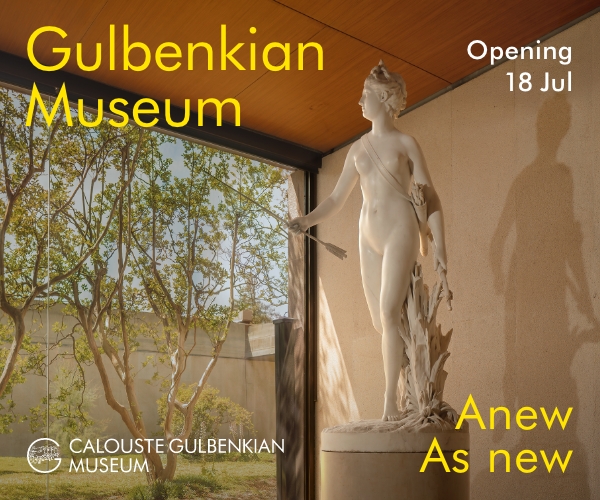
Lisbon's Calouste Gulbenkian Museum reawakens
|
the project: Ómós, Ireland
Nothing compares
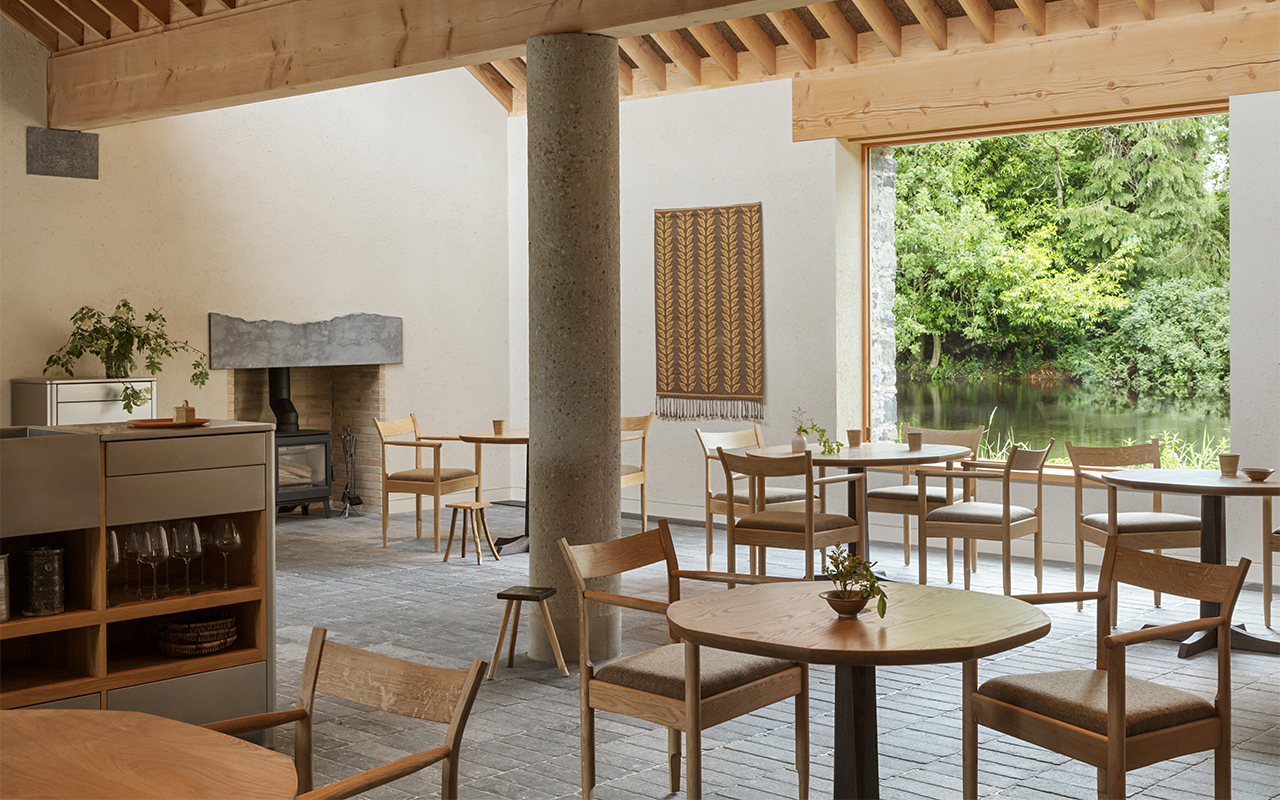
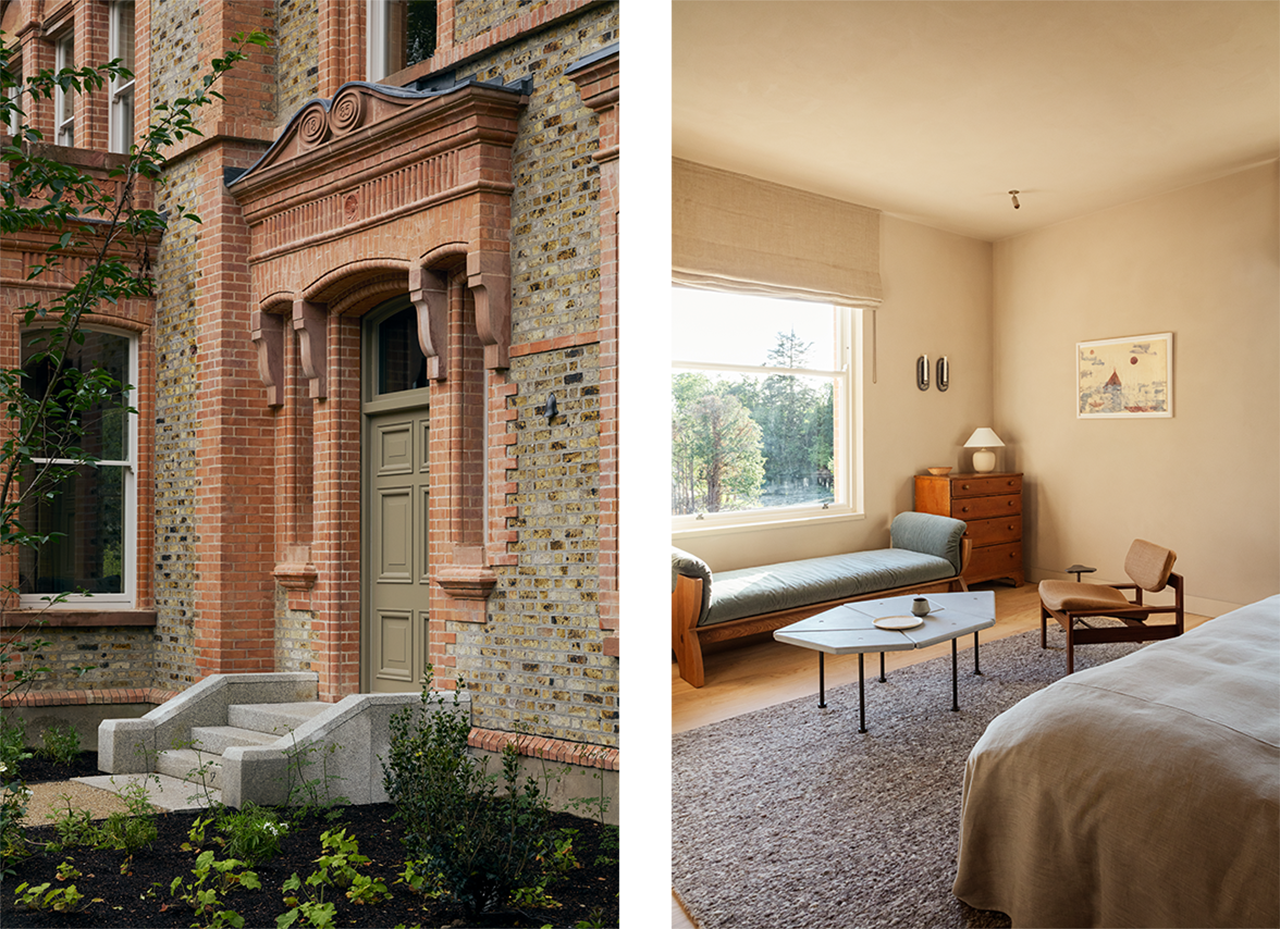
What was once a Victorian home in the Irish countryside has now been given a new lease of life as a 16-key guesthouse and restaurant called Ómós. The hotel’s renovation – from dilapidated building to a warm, welcoming space – required some sensitivity. Rising to the challenge, owner and Noma-trained chef Cúán Greene tapped Dublin-based Ryan W Kennihan Architects, Denmark-based Cassandra Bradfield and Sofia Olsson of Asca Studio, as well as architect Rebecca Norberg of Copenhagen-based Relief Gallery for the interiors. And while the trio brought their Scandinavian design lens to the project, Ómós stayed rooted to place by preserving a sense of Irish craft.
|
|
“We undertook thorough research into Irish design and contemporary craft early in the project,” says Bradfield, referring to a three-year period of research in which she delved into the area’s vernacular and met Irish makers. Throughout Ómós, bespoke furnishings by local woodcarvers, handcrafted pottery and woven willow baskets bring tactile charm to the guesthouse. “Hospitality design is choreography, directing front-of-house and back-of-house across a day, a week, a season, a year,” adds Norberg. “[When working on a hotel I like to] start from specific interactions – a welcome drink, getting ready for dinner, having tea in the morning – and work outward and inward from there.”
omos.co; relief.gallery; ascastudio.com
|
|
WORDS WITH... Alec Banks & Sophie Lou Jacobsen, USA
Getting engaged
Earlier this year, Thuma’s flagship shop and café in New York hosted a live recording of
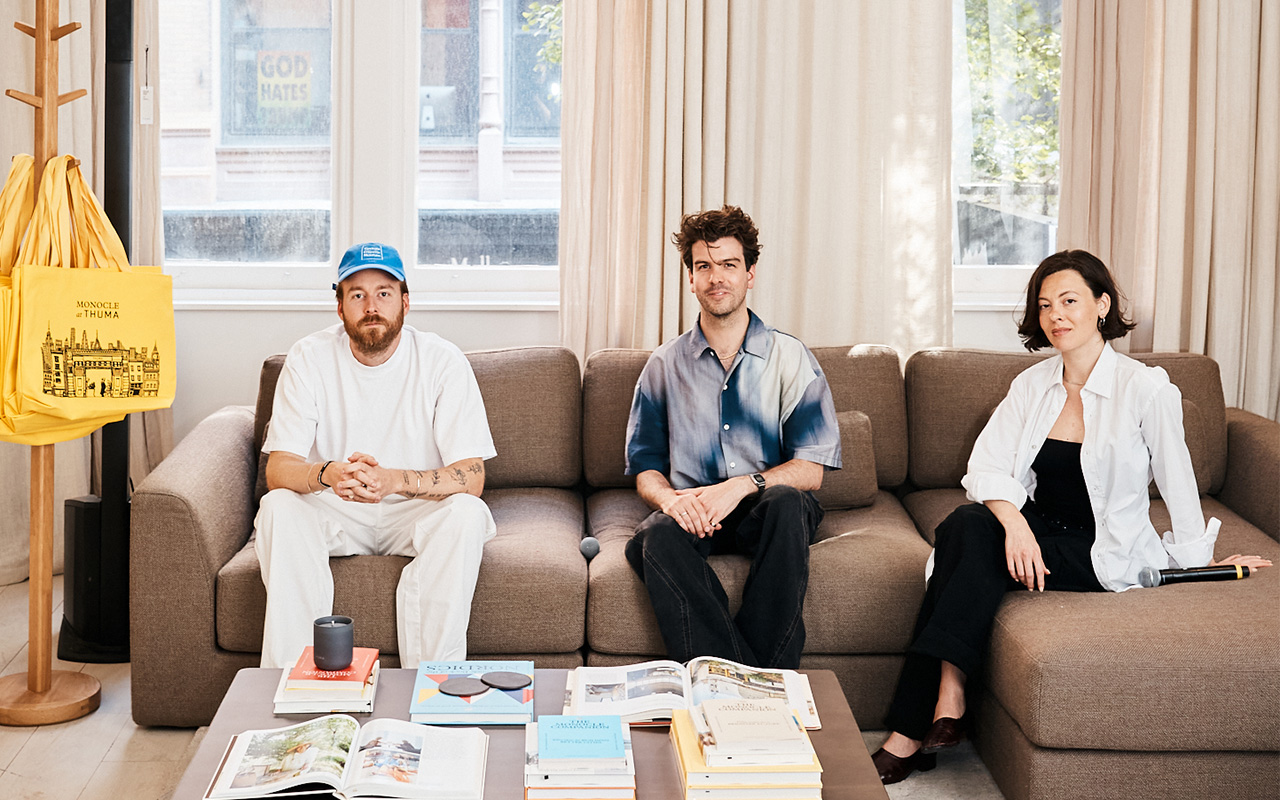
Monocle On Design. Monocle’s design editor, Nic Monisse, was joined by the US lifestyle company’s head of brand, Alec Banks (pictured, left), and French-American designer Sophie Lou Jacobsen (pictured, right) for a discussion about memory and ritual in designing objects for the home.
|
What’s your earliest memory of design?
Sophie Lou Jacobsen (SLJ): The first time I can remember being shocked by design in a good way was when I went into the Bang
& Olufsen shop in Seattle with my parents. I must have been about 12 and I couldn’t believe how simultaneously fun, original, sleek and sophisticated the phones and stereos were. I was surprised, delighted and inspired, and I thought, “This is how life should always be.”
Alec Banks (AB): Mine would be getting my first iPod in 2003. I was about 12, too. I remember being mesmerised by the simplicity, sleekness and overall beauty of it, all the way down to the packaging.
How conscious are you of rituals when creating objects for the home?
SLJ: Rituals and routines are always at the core of my designs and process. I want to create deep emotional ties between my objects and their users. For this, engagement is key but it can take shape in different ways. Engagement can be the knife with which you butter your toast every morning; the blanket that you wrap yourself in while reading; the light that you use to see; or a piece of art that you stare at while lost in thought. Repetitive use is key and for that reason: objects need to be long lasting, both from a material standpoint and an emotional standpoint. You don’t want to get bored of it.
AB: Most of our lives are made up of small repeated moments, so great design starts by understanding those rhythms. When you think about routine, you start to prioritise longevity, comfort and ease over novelty. It shifts from “does this look good?” to “how does this fit into someone's everyday life over time?”
Why is coming into contact with well-designed and considered objects important today?
SLJ: We absolutely need little moments of escape and respite in this day and age. I always return to the slogan “Bread and Roses”, which is a political slogan and rallying cry associated with the women’s suffrage movement. Originally from a James Oppenheim poem, it essentially means workers are entitled to not just the bare necessities of survival – bread – but also to dignity, beauty and joy in their lives – roses.
AB: The products we make influence how people live, interact and even what they value. On a day-to-day basis, good design can increase comfort, reduce friction and create moments of calm or connection. Good design shapes culture too. It reflects ideas about sustainability, accessibility, quality and how we consume. While design often starts with objects or spaces, it inevitably connects to larger conversations about how we want to live collectively.
For more from Alec Banks and Sophie Lou Jacobsen, tune in to ‘Monocle On Design’ on Monocle Radio.
|
|
from the archive: Citroën Méhari, France
Plastic fantastic
Travellers to Andean steppes, African savannahs and volcanic Mediterranean isles might come across this strange safari car made from plastic. The Citroën Méhari was designed in the libertine 1960s as an ultra-lightweight, off-piste car – it weighs only 525kg – with the same engine as the classic 2CV. The target market was the fringes of civilisation: the model is named after a racing camel, the
méhari, and limited colourways were named after the Kalahari, Atacama, Tibesti and other unforgiving terrains.
The Méhari was produced for two decades from 1968 without major changes to its appearance. It’s remarkably like a toy car: the body is entirely made of ABS plastic and the canvas roof, seats and doors can easily be removed. Still today, most holidaymakers arriving on Pantelleria in Italy, for instance, are advised to rent one. Despite the somewhat coarse ride and frequent breakdowns, the happy-go-lucky Méhari remains the most beloved car on the island.
|
|
in the picture: ‘Morandi’s Objects’, USA
Objects d’art
Ceramic vases, glass decanters and tin pots are the protagonists of the American photographer Joel Meyerow | | | | |