OPEC+ output hike

Follow energy market shifts and the forces driving the transition to clean power. Subscribe to Reuters.com for $1/week.


Power Up

Power Up

A Reuters Open Interest newsletter

By Ron Bousso, ROI Energy Columnist


Data refreshes every time you open this email. For more energy news, click here. Please send any feedback to powerup@thomsonreuters.com.

Hello Power Up readers,

Away from the thrills of the World Cup, this past weekend was marked by other displays of pageantry, as the United States marked 250 years of independence and Iran staged a week of mass funeral processions for Ayatollah Ali Khamenei who was killed in a U.S.-Israeli airstrike on February 28.

Khamenei’s funeral in Tehran drew old, familiar chants of “death to America” and “death to Israel” along with calls for vengeance against President Donald Trump, a stark reminder that the interim deal to end the U.S.-Iran war last month has done little to ease the decades-long tensions in the Middle East.

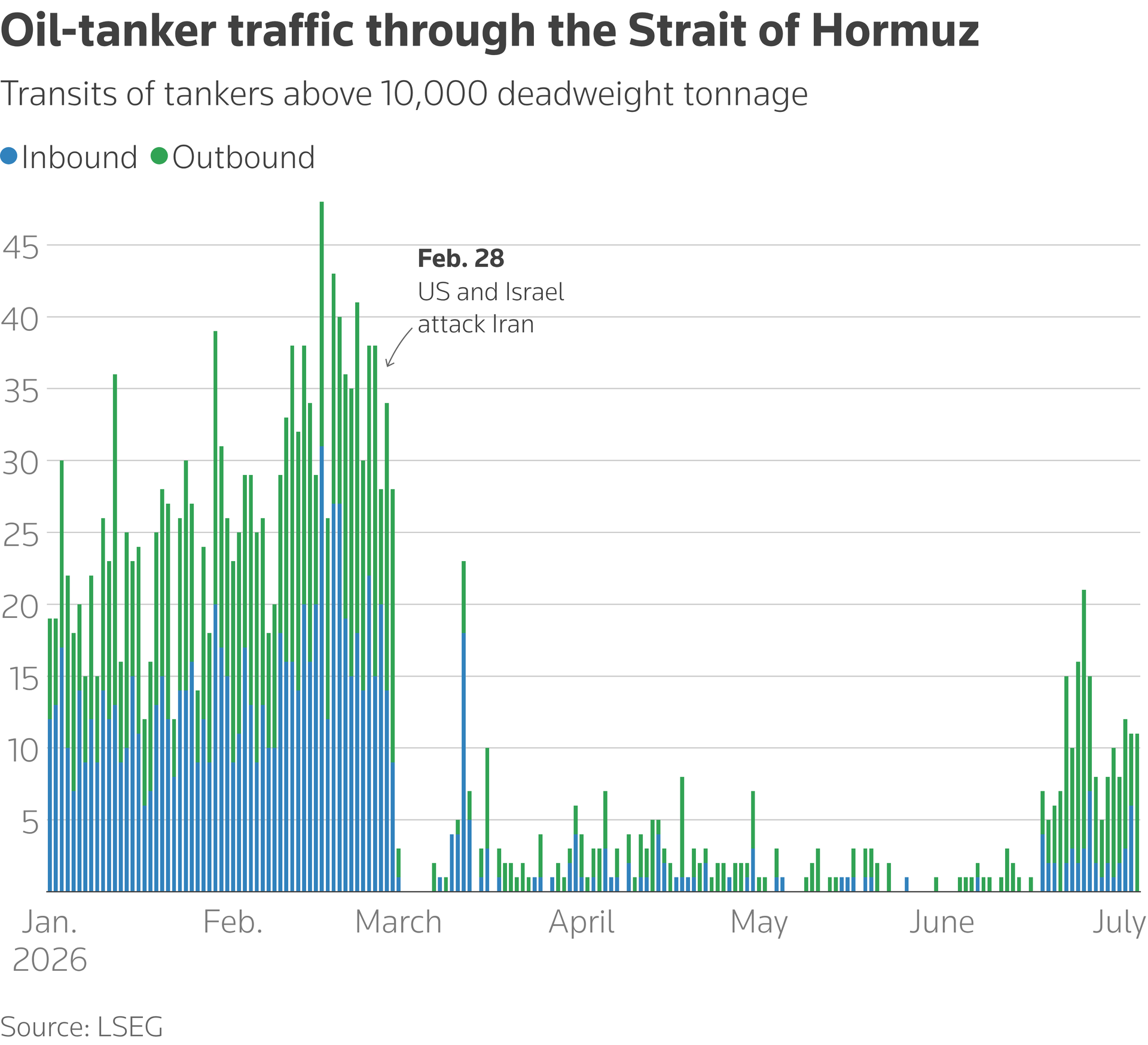
For now, ship traffic through the Strait of Hormuz – currently the energy market’s foremost health metric – continues to gradually recover after being effectively blocked during the conflict, though flows remain at less than half their pre-war levels.

Also during the weekend, key members of OPEC+, the Organization of Petroleum Exporting Countries and their allies including Russia, agreed to further increase output targets from August, adding to global supply at a time when oil prices are falling due to the gradual reopening of Hormuz.

The oil-producing group agreed during an online meeting to increase quotas by 188,000 barrels per day from August, on top of similar increases for June and July, hiking their output quota from April through July by almost 800,000 bpd.

The decision raises two questions, argues ROI Asia Commodities Columnist Clyde Russell: Can Gulf producers actually ship the increased output, and if they can, who will buy it?

More on this below.

Here are some other headlines:

  • The world has absorbed the loss of over a billion barrels of oil supply during the Iran war with surprising ease, but, with long-term peace still elusive and buffer reserves now drained, energy markets still face the looming risk of price spikes, Reuters wrote.
  • The Trump Administration’s legislation to cut support for the United States’ fastest-growing sources of new power generation – wind and solar – will undermine the government’s drive to lower power prices, argues ROI Energy Transition Columnist Gavin Maguire.

As always, don’t hesitate to contact me at ron.bousso@thomsonreuters.com or follow me on LinkedIn with any questions or thoughts.


Top energy headlines

  • Russian drivers' patience is tested as fuel shortages drag on ​
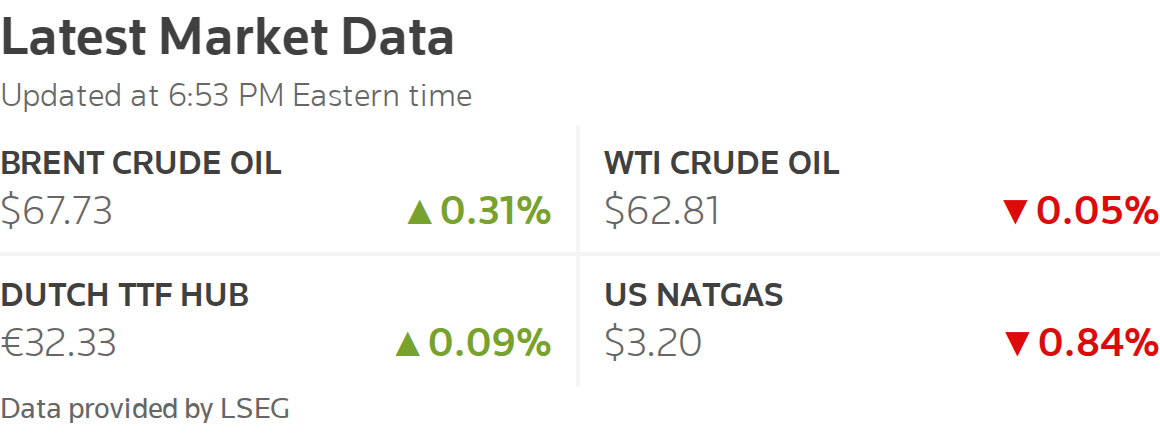
  • Oil prices steady at pre-Iran war levels
  • UAE crude output nears record following OPEC exit, sources say
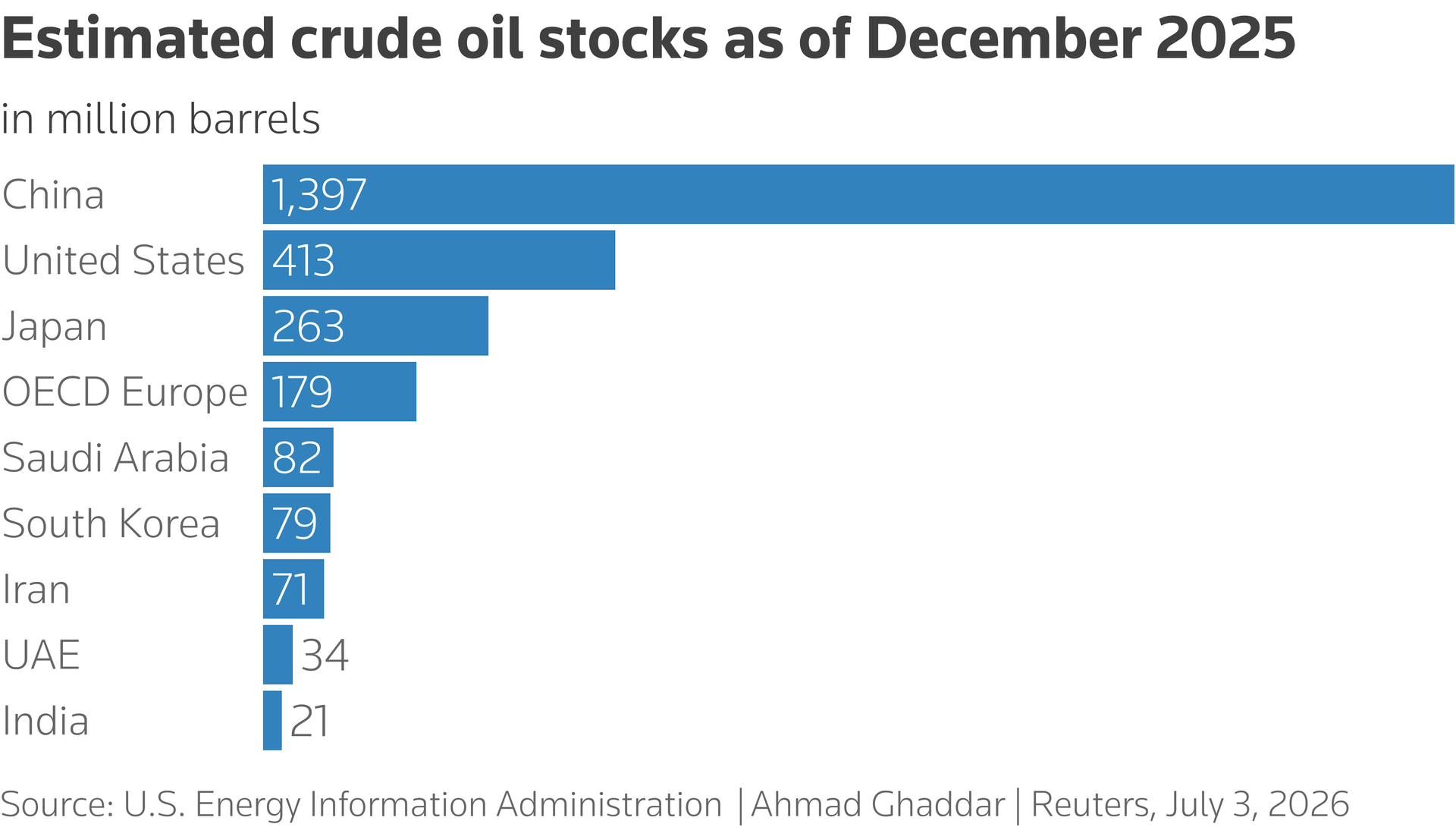
  • World absorbs historic Iran war oil supply loss, but depleted stocks bring risks
  • Indian Oil, HPCL buy 8 million barrels of crude via tenders, trade sources say


A questionable boost

For the latest OPEC+ production quota boost to materialize, flows through the Strait of Hormuz and out of the Middle East must first recover to pre-war levels.

Indeed, the crude oil futures market appears to be pricing for a return to the oversupply narrative that prevailed prior to the Iran war. Brent contracts were trading around $72 a barrel in early Asian trade on Monday, slightly below where prices were on the eve of the conflict.

If supply chains can be restored and OPEC+ and non-OPEC producers are able to deliver increased production, then this narrative is justified.

Apart from the obvious risk of a return to some form of conflict between the United States and Iran, there are also other factors that may come into play.

Part of the reason that Brent prices did not surge any higher than $126 a barrel during the Iran war was that China, the world's biggest crude importer, dramatically cut back on purchases.

The question now is when will China return to the crude market.

Read the full column
 

Sponsors are not involved in the creation of newsletters or other Reuters news content. Advertise in this newsletter or on Reuters' website

LiveIntent Logo