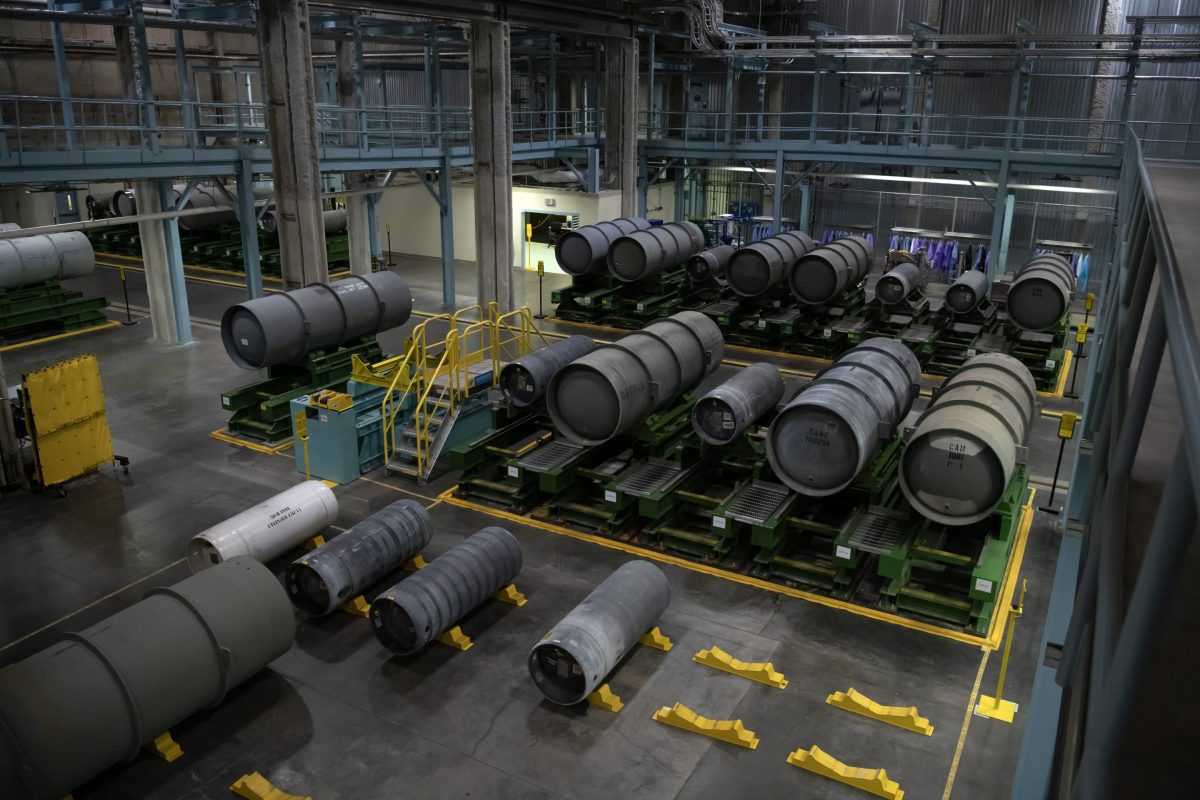
Plus: Inside the race to rebuild America’s fuel supply chain for a ‘second nuclear age.’
 ͏  ͏  ͏  ͏  ͏  ͏  ͏  ͏  ͏  ͏  ͏  ͏  ͏  ͏  ͏  ͏  ͏  ͏  ͏  ͏  ͏  ͏  ͏  ͏  ͏  ͏  ͏  ͏  ͏  ͏  ͏  ͏  ͏  ͏  ͏  ͏  ͏  ͏  ͏  ͏  ͏  ͏  ͏  ͏  ͏  ͏  ͏  ͏  ͏  ͏  ͏  ͏  ͏  ͏  ͏  ͏  ͏  ͏  ͏  ͏  ͏  ͏  ͏  ͏  ͏  ͏  ͏  ͏  ͏  ͏  ͏  ͏  ͏  ͏  ͏  ͏  ͏  ͏  ͏  ͏  ͏  ͏  ͏  ͏  ͏  ͏  ͏  ͏  ͏  ͏  ͏  ͏  ͏  ͏  ͏  ͏  ͏  ͏  ͏  ͏  ͏  ͏  ͏  ͏  ͏  ͏  ͏  ͏  ͏  ͏  ͏  ͏  ͏  ͏  ͏  ͏  ͏  ͏  ͏  ͏  ͏  ͏  ͏  ͏  ͏  ͏  ͏  ͏  ͏  ͏  ͏  ͏  ͏  ͏  ͏  ͏  ͏  ͏ ­ ­ ­ ­ ­ ­ ­ ­ ­ ­ ­ ­ ­ ­ ­ ­ ­ ­ ­ ­ ­ ­ ­ ­ ­ ­ ­ ­ ­ ­ ­ ­ ­ ­ ­ ­ ­ ­ ­ ­ ­ ­ ­ ­ ­ ­ ­ ­ ­ ­ ­ ­ ­ ­ ­ ­ ­ ­ ­ ­ ­ ­ ­ ­ ­ ­ ­ ­ ­ ­ ­ ­ ­ ­ ­ ­ ­ ­ ­ ­ ­ ­ ­ ­ ­ ­ ­ ­ ­ ­ ­ ­ ­ ­ ­ ­ ­ ­ ­ ­ ­ ­ ­ ­ ­ ­ ­ ­ ­ ­ ­ ­ ­ ­ ­ ­ ­ ­ ­ ­ ­ ­ ­ ­ ­ ­ ­ ­ ­ ­ ­ ­ ­ ­ ­ ­ ­ ­  
Fortune 500 Digest with Alyson Shontell
Saturday, June 13, 2026
Foreword
Alyson Shontell
Editor-in-Chief

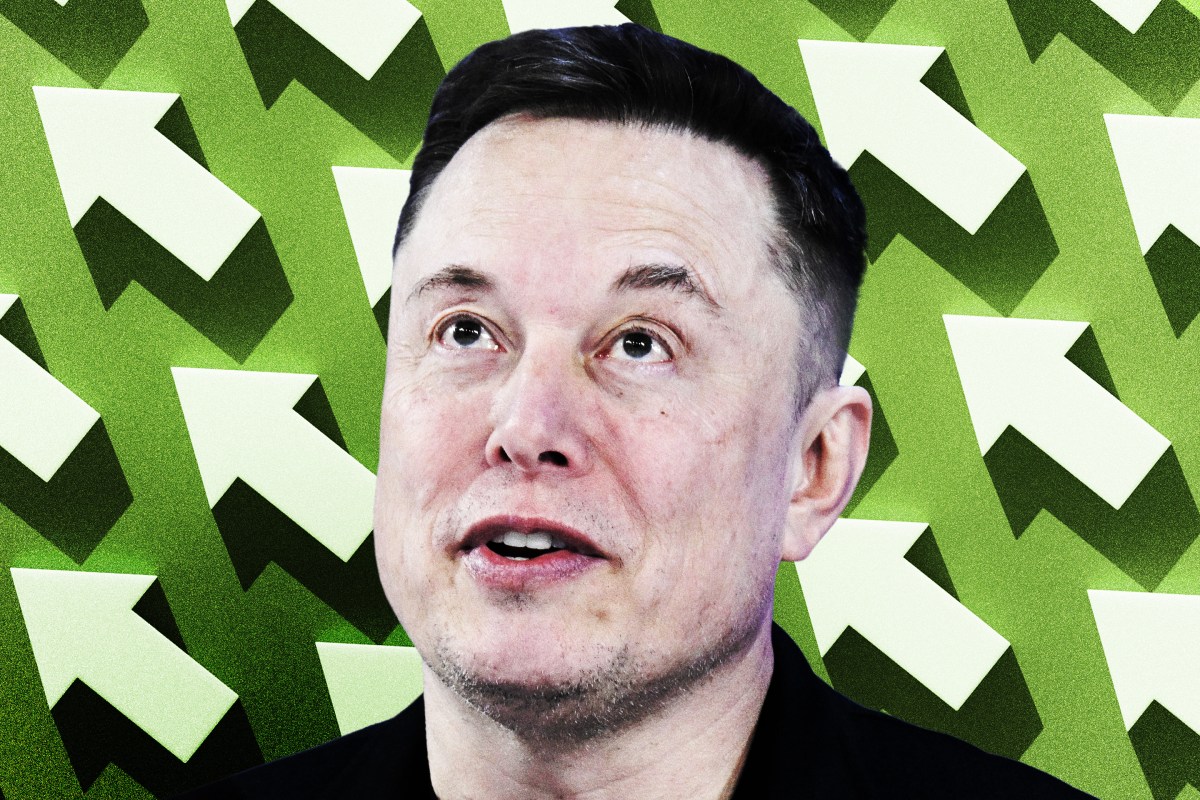
Earlier this week at our 25th annual Brainstorm Tech conference, I asked a room full of venture capitalists and executives if they intended to buy into the SpaceX IPO. Only a few hands went up.

It’s hard to make the case that the company’s new valuation—a market cap of $2.2 trillion at the end of the first day of trading—bears any connection to the underlying business as it stands today. Despite the skeptics, SpaceX debuted as the largest IPO in history to much fanfare, with shares popping 19% on the first day of trading, solidifying Elon Musk as the world’s first trillionaire.

SpaceX is now valued higher than all but a handful of established Fortune 500 companies—even though as measured by 2025 revenue ($18.7 billion) it would only rank No. 233 on the Fortune 500. It also posted a $4.9 billion net loss last year, largely due to costs from the pending xAI merger and massive AI investments.

Here’s what it boils down to: As Fortune’s Shawn Tully breaks down, the business today is really three companies in one. Starlink is the current cash cow, backed by 9,600 satellites and over 10 million paying subscribers. Its sales vaulted 50% last year to $11.4 billion, more than half of SpaceX’s total revenue. (I used Starlink this past week on a flight for the first time and it was easily the best United Wi-Fi experience I have ever had.)

The rocket and launch business generated just $4.1 billion and actually lost money. And xAI, the AI unit Musk folded into SpaceX in February, is burning cash rapidly. Investors aren’t paying 90x revenue for any of that—they’re paying for the AI moonshot that doesn’t yet exist, and for Elon Musk being the right person to pull it off.

That’s the dynamic driving the broader market right now: hype over fundamentals. And it’s a positive signal for Anthropic and OpenAI, both of which have confidentially filed to go public and are hoping the AI party continues.

For Shawn’s full analysis of how investors should be thinking about SpaceX and Elon’s long-term galactic AI vision, read his piece here.

Follow Alyson on X, LinkedIn, TikTok, Instagram, and the Titans and Disruptors vodcast.

Catch Up

C-Suite
‘Throwing out the baby with the bath water.’ The chaos at CBS News shows the limits of ‘blow it up’ leadership
Fortune 500 C-suite Power Moves
Marvell Technology (No. 476) appointed Dan Durn CFO, effective June 15. Lennar (No. 135) appointed Jim Parker COO. Mohawk Industries (No. 404) appointed Paul F. De Cock CEO, effective Sept. 30.
And more in this week's Fortune 500 Power Moves.
Deals & Developments
  • Amazon (No. 1) and Nvidia (No. 16) joined a funding round of up to $1.4 billion for Neura Robotics, a German startup building an AI platform for industrial and service robots.
  • Amazon (No. 1) agreed to pay Corning (No. 286) billions of dollars for optical parts that help run its data centers, as it builds more infrastructure for AI and cloud services. Corning has signed similar long‑term deals this year with Nvidia (No. 16) and Meta (No. 17) amid rising demand for the fiber and other gear needed to move huge amounts of data between AI chips and data centers.
  • Nvidia (No. 16) and KKR (No. 156) are backing Helix Digital Infrastructure, a new venture launched with the Kuwait Investment Authority and Vistra (No. 251) with more than $10 billion in capital to build data centers, power, and connectivity for AI workloads.
  • Johnson & Johnson (No. 45) agreed to acquire Firefly Bio, a South San Francisco‑based developer of targeted cancer therapies, for $1 billion in cash.
  • Broadcom (No. 70), Apollo Global Management (No. 143), and the credit and insurance arm of Blackstone (No. 310) launched the AI XPV Platform, backed by an initial $35 billion to fund AI infrastructure. The platform is designed to enable more than 20 gigawatts of compute capacity through 2028 for frontier AI labs, including Anthropic and OpenAI.
  • The U.S. Department of Justice will not challenge the $111 billion merger of Paramount Skydance (No. 155) and Warner Bros. Discovery (No. 126). In a statement released Friday, the agency wrote, “The film and television industry is highly dynamic, and the proposed transaction is not likely to harm competition or American consumers.”
Overheard
“This morning I was managing maybe a few hundred [agents]. Some days it’s…thousands, or tens of thousands.”
—Anthropic’s Boris Cherny, creator of Claude Code,