|
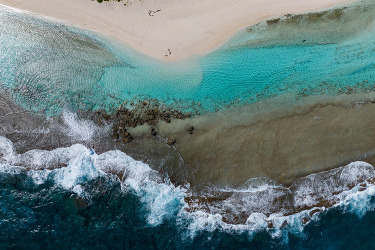
An aerial view of Papahānaumokuākea (Photo Credit: Andrew Sullivan-Hawkins/ Papahānaumokuākea Marine Debris Project).
Celebrate National Ocean Month with the NOAA Marine Debris Program by taking action in your community. There is no “one-size-fits-all” solution to marine debris, and communities around the country are affected by marine debris in different ways. Beach-side Floridian areas may be concerned with abandoned vessels, while in coastal regions throughout the Northeast, lost fishing gear may be more prevalent. If you live inland, trash in the ocean and Great Lakes may not be directly visible, but your community may still have a role in creating the waste that becomes marine debris. Finding solutions that work locally makes the fight against marine debris more effective. By working together as a community, we can have a larger impact.
Check out these ideas on how to help!
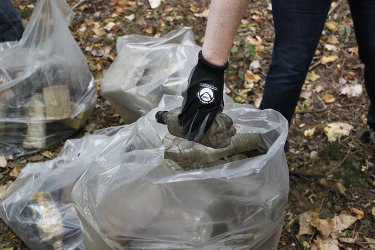
A volunteer cleaning up plastic water bottles during the 2016 an International Coastal Cleanup hosted on Kingman Island, Washington D.C. (Photo Credit: NOAA).
This year, the NOAA Marine Debris Program is celebrating its 20th anniversary of cleaning our coasts. As we mark this milestone, we are reflecting on two decades of collaboration, progress, and shared commitment to addressing marine debris across the United States and U.S. Territories. This anniversary also offers an opportunity to recognize our partners, including the entire marine debris community, educators, students, families, and volunteers, whose contributions have helped shape the program’s impact over the past 20 years. We invite you to follow the campaign as we highlight stories from the program over the years, showcase current ongoing efforts, and look ahead to a future where our global ocean and its coasts are free from the impacts of marine debris.
To follow the campaign, please visit the NOAA Marine Debris Program website.
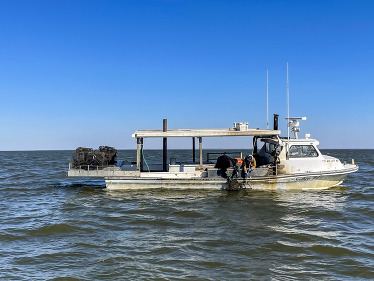
Fishers participating in Oyster Recovery Partnership’s cleanup efforts pull a hooked derelict crab pot onboard their vessel in Baltimore County, Maryland (Photo Credit: Oyster Recovery Partnership/VIMS).
With support from a 2023 award from the NOAA Marine Debris Program, William and Mary’s Batten School and the Virginia Institute of Marine Science Nationwide TRAP Program (Trap Removal, Assessment, and Prevention) is tackling derelict fishing gear across the country. This program detects and removes derelict fishing traps, including lost or abandoned crab and lobster gear, while gathering data to help reduce future loss. From Maryland to Santa Barbara to Florida, teams are identifying, retrieving, and recycling lost traps. In its first year, 11 projects were funded, and the impact is already visible in coastal waterways.
Check out the successes and see the inspiring stories from Round One TRAP teams, captured by Green Fin Studio.
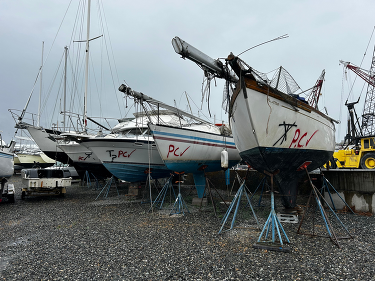
Vessels that were voluntarily turned in by their owners awaiting deconstruction and disposal at The Landings at Colony Wharf (Photo Credit: NOAA Marine Debris Program).
The Washington Department of Natural Resources, with 2024 funding from the NOAA Marine Debris Program, is removing derelict vessels from the Puget Sound and supporting the prevention of boat abandonment through their voluntary Vessel Turn-In Program. This program provides Washington boat owners with an alternative to abandonment, helping to prevent derelict vessels and associated pollutants from harming state aquatic lands. Focusing on early intervention and empowering boat owners to dispose of unwanted vessels responsibly prevents costly removals later.
Learn more about this project and check out a glimpse into the Vessel Turn-In Program.
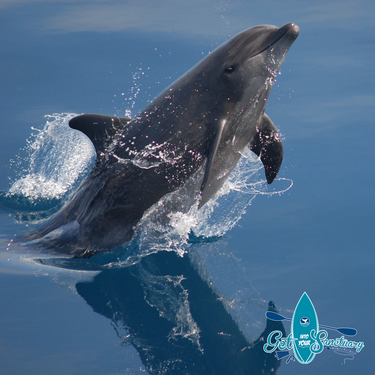
Bottlenose dolphin with head and dorsal fin above the water’s surface in Florida Keys National Marine Sanctuary (Photo Credit: NOAA).
Join NOAA this summer across the National Marine Sanctuary System - from sea to shining sea. Each year, as part of national "Get into Your Sanctuary" summer activities, we invite photographers to share striking images that capture wildlife, seascapes, maritime heritage, and meaningful connections to these special places through our Get Into Your Sanctuary Photo Contest. The contest runs from May 22 to September 7.
Learn more about the contest and submit your entries on the Get In Your Sanctuary website. |