| | Despite the administration’s antipathy to renewables, there’s never been a better time to invest in ͏ ͏ ͏ ͏ ͏ ͏ |
| |  | Energy |  |
| |
|
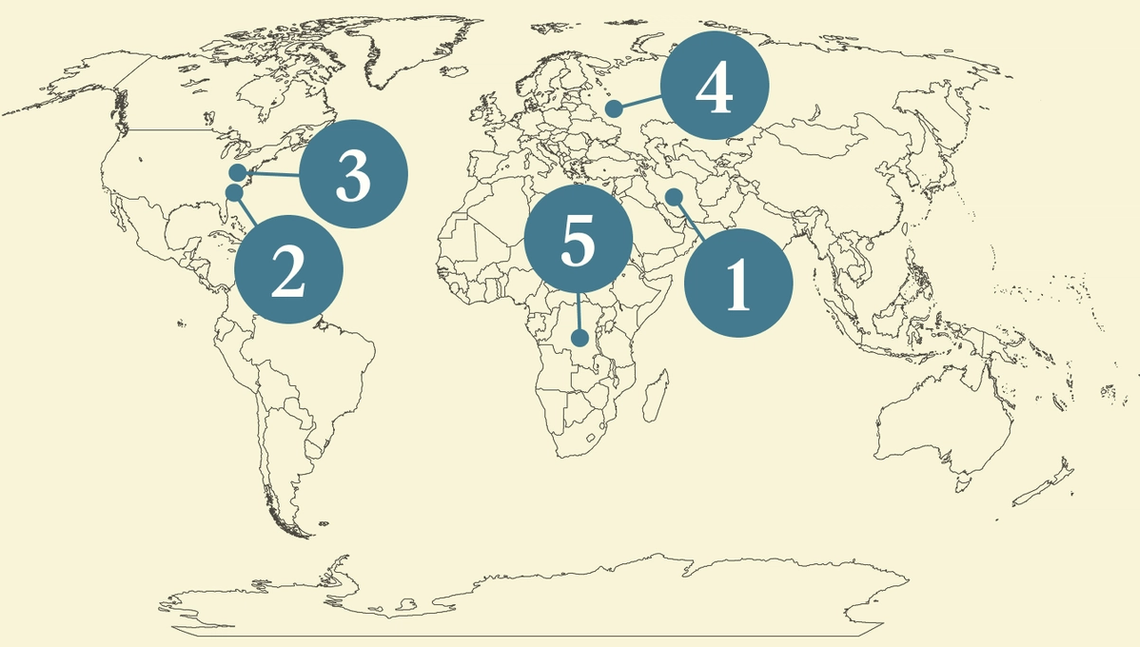 - Hitting tank bottoms
- $700m lifeline for coal
- Google’s VPP play
- Russia’s oil challenge
- China losing Africa leverage
 Low expectations for Alaska oil lease auction, and sky-high profits for oil trader Trafigura. |
|
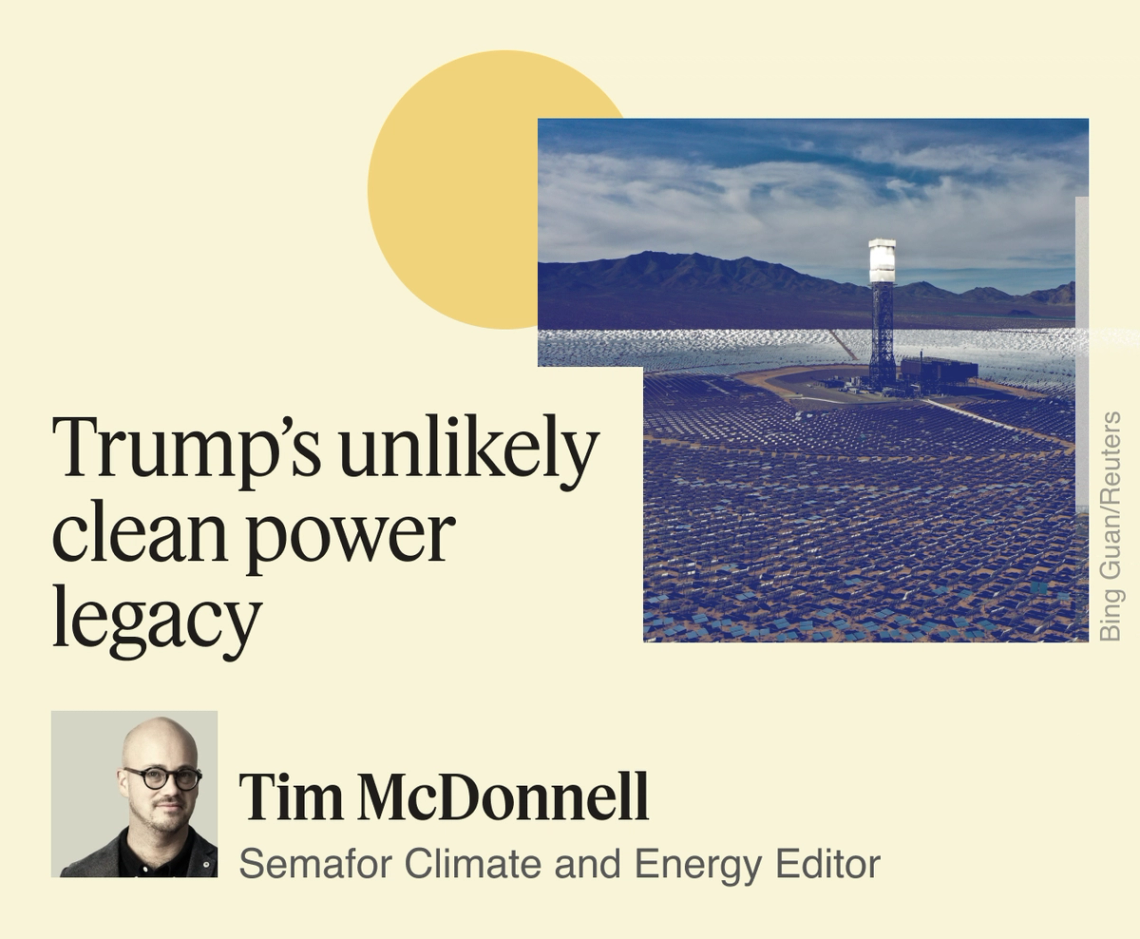 Who needs climate policy when you’ve got data centers? You might think Miguel Stilwell d’Andrade would be steering far clear of the US these days. The CEO of Portuguese power company EDP, which controls one of the world’s biggest portfolio of renewable energy projects, found out firsthand what it’s like to butt heads with the Trump administration’s “energy dominance” strategy when leases it had secured under Joe Biden to build offshore wind farms in New Jersey and California were revoked this year. But EDP and its partners were able to work out a deal with the Interior Department to get their money back (d’Andrade said he’s tracking, but not yet worried about, a legal challenge launched this week against a similar deal offered to TotalEnergies). Despite the legal kerfuffles and looming wind-down of wind and solar tax credits, d’Andrade told me he still believes we’re “living in what arguably is one of the best periods to invest in renewables in the US over the last 20 years.” In fact, he’s doubling down, with a $5.3 billion plan to build US renewables projects over the next three years, a sum which accounts for more than half of the company’s total capex. The majority of that buildout (mostly solar and battery storage; d’Andrade’s in no hurry to get burned on wind again) will be for the benefit of Big Tech. EDP is racing to sign power deals with all the usual suspects, most recently for a big solar farm in Arkansas for Meta. So try as he might to the contrary, Trump will likely preside over the biggest clean-energy buildout in US history. Contrast that with Europe, ostensibly a redoubt of strong climate policy. There’s a data center rush there, too, but at a much smaller scale, with proposed power projects each in the tens of megawatts rather than hundreds of megawatts like the US. And even though Europe has suffered two major energy price shocks in the past five years — first Ukraine, now Iran — many countries on the continent are still bogged down in red tape and haven’t learned the right lessons about energy security, d’Andrade said: “You’re already in the second crisis and you still haven’t implemented the recommendations of the first.” |
|
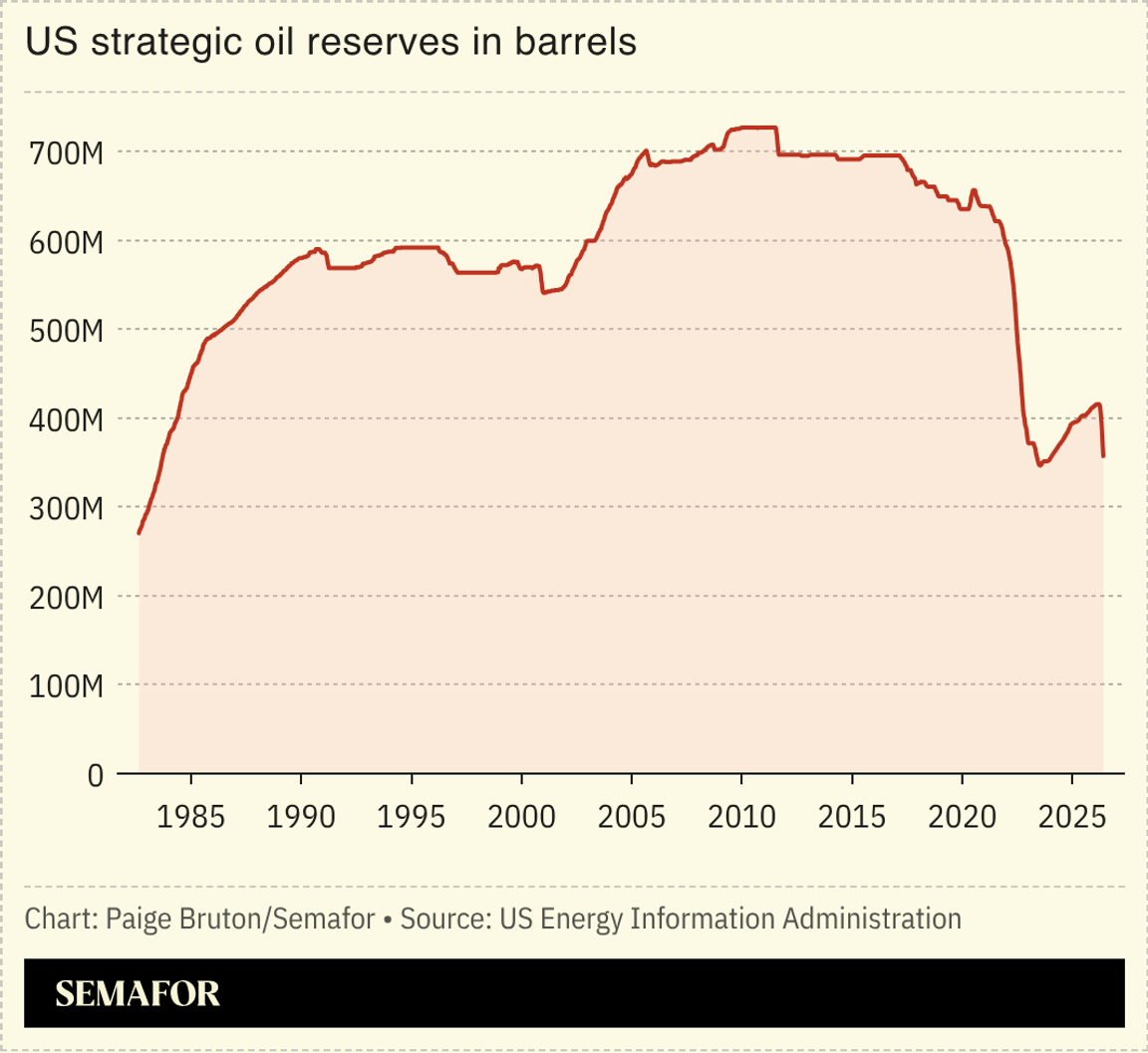 Impacts from the prolonged closure of the Strait of Hormuz are piling up. Oil prices ticked down on Thursday following news of a ceasefire deal between Israel and Lebanon, which could be a hopeful sign for a broader deal to reopen the strait. But in the meantime, the loss of Gulf barrels is starting to have an impact, including in the US. Surging American exports have helped fill the deficit, and brought windfall profits for US oil companies, but federal data on Wednesday show US reserves are now at their lowest level since 2004, raising the risk of sharp fuel price spikes in the coming months and leaving the country less insulated from future shocks. China, too, is having to reach deeper into its strategic reserves. And the effects ripple outward from there: A new OECD economic forecast warned that a long closure of the strait will significantly slow global economic growth for the next several years, and potentially tip some countries into recession. |
|
$700 million lifeline for coal |
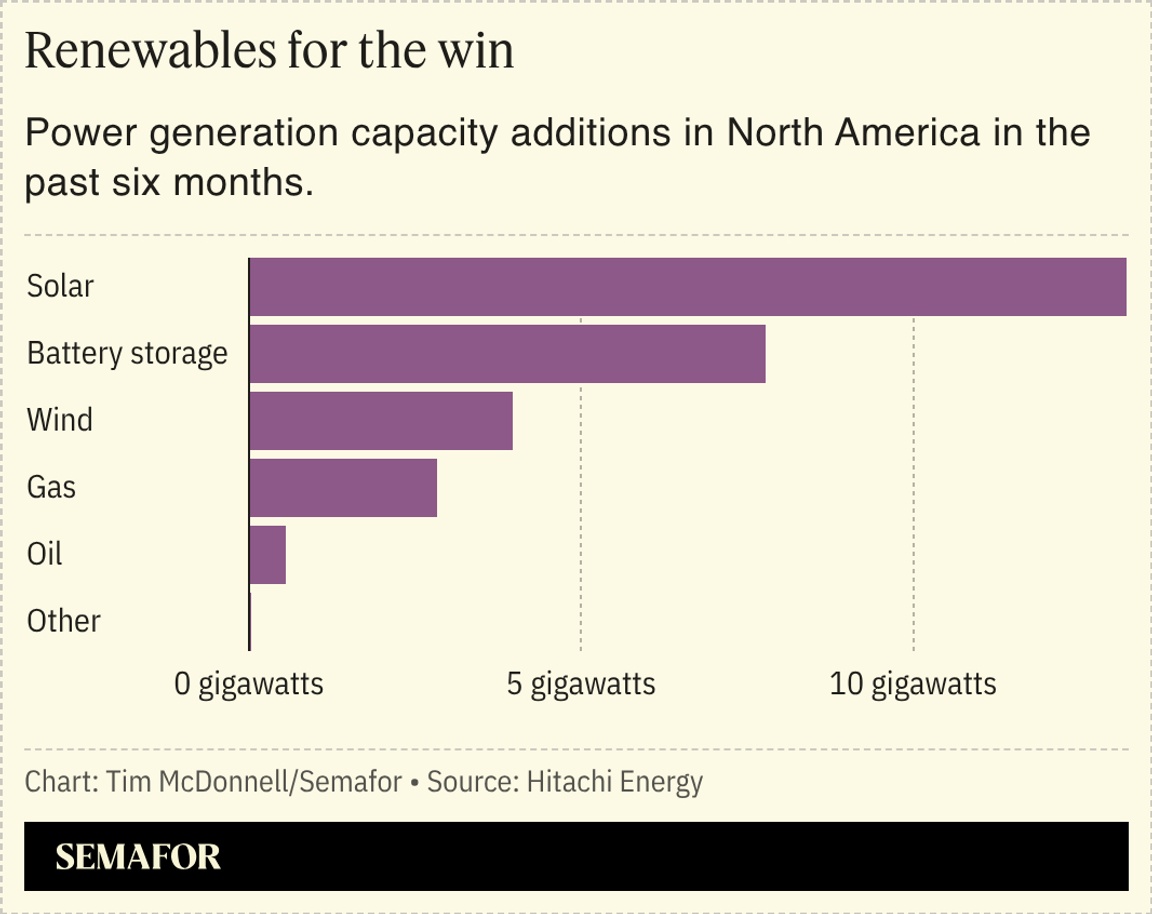 US President Donald Trump is expected to announce a major new investment in coal-fired power plants today. Under the plan, first reported by Bloomberg, the government will distribute up to $700 million in funds available through the Cold War-era Defense Production Act to a dozen existing coal plants, as well as funding the construction of two new ones, and a West Coast export terminal. It’s the administration’s latest step to prolong the life of an industry that most energy experts agree is inexorably in decline — in large part due to record natural gas production, which competes directly with coal in the power market. In one case, a coal plant in Indiana that was ordered by the administration to stay running beyond its scheduled retirement date will add $1 billion to customer bills over the next two years, its owners said. Notwithstanding the administration’s fixation with coal, solar remains by far the fastest-growing source of new electricity generation in the country. |
|
 Yves Herman/Reuters Yves Herman/ReutersGoogle laid out the next steps in its plans to provide power for its AI data centers. On Wednesday the company announced a deal with the “virtual power plant” startup Voltus, in which Google will finance a program for parts of the Mid-Atlantic US grid that will pay other households and businesses to curb their consumption at certain times. It’s a first-of-its-kind deal, the companies said, that will free up 100 megawatts for Google’s use without having to build any new infrastructure. The tech firm also unveiled a new set of standards for its water consumption, which includes a commitment that by 2030, it will return more water to local ecosystems than its data centers consume. And to pay for all of this, the company said it will sell $85 billion in shares — an unusual move for a cash-rich tech giant that illustrates the massive scale of capital required for the data center power push. |
|
 Russia’s crude oil exports reached an average of 3.46 million barrels a day last month, higher than at any point since the 2022 full-scale invasion of Ukraine. Ukrainian long-range drone strikes on refineries and export terminals have forced Moscow to halt exports of gasoline and jet fuel, but pushed more crude into the global market at a moment of surging prices, driving export revenues to also reach their highest level since 2022. But Russian officials were forced to admit this week for the first time that upstream production is falling. And much of the export revenue upside isn’t actually reaching the Kremlin’s coffers, because the limitations on fuel exports have forced the government to pay billions of dollars in compensation to refinery owners. |
|
View: China losing Africa leverage |
| |  | Yinka Adegoke |
| |
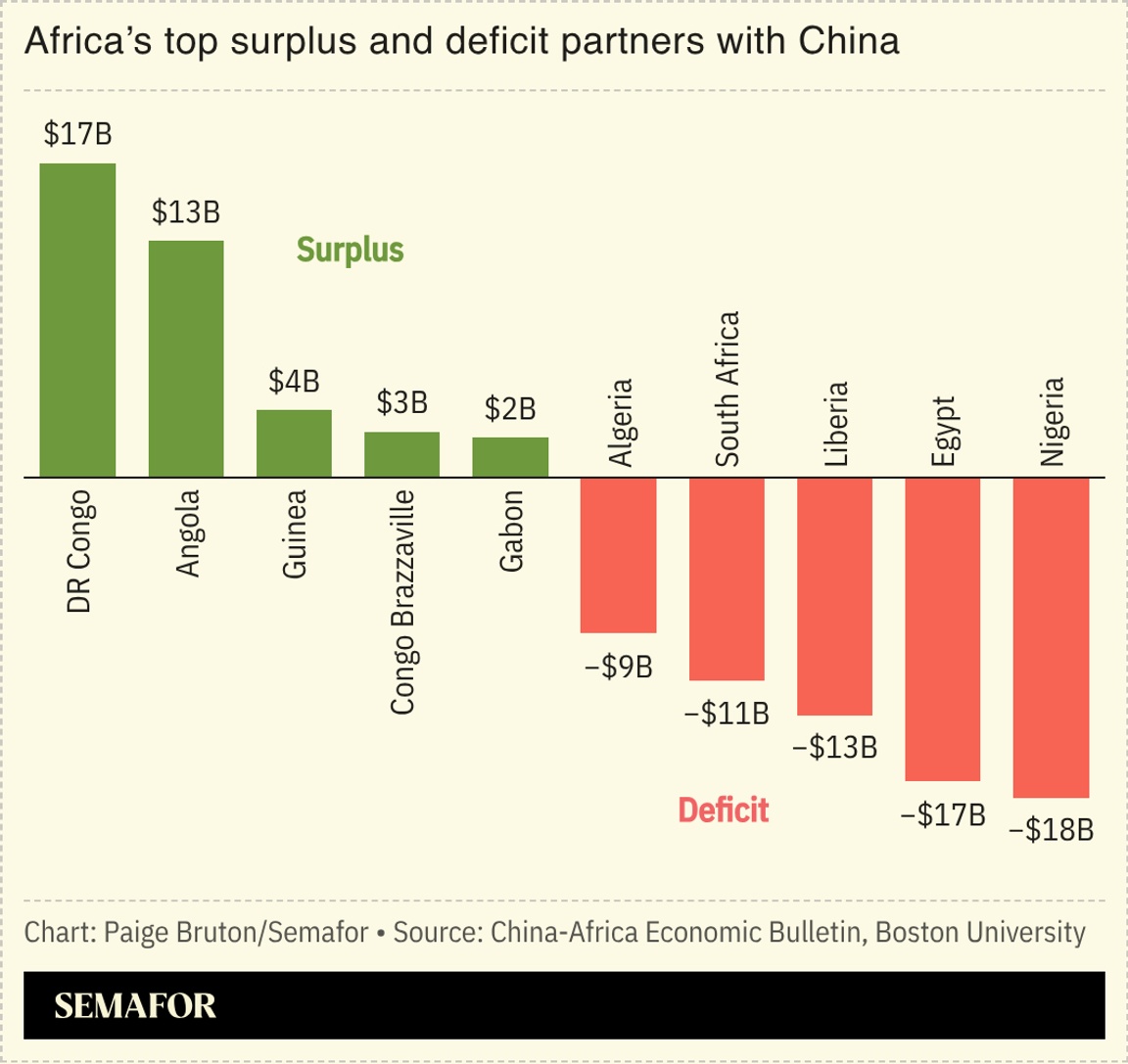 For 25 years, the defining logic of China-Africa trade has been simple: Africa exports raw materials, China manufactures products, and Africa buys them back. But the power dynamic is shifting. In 2024, that arrangement led to a record $275 billion in trade, according to the Boston University Global Development Policy Center and the African Economic Research Consortium. Yet the same data reveals a shift that many observers still underestimate: China may need Africa more than the established narrative suggests. African countries supply more than 80% of China’s chromium and manganese imports. Guinea alone provides roughly a third of its bauxite. Copper exports from DR Congo and Zambia continue to expand. These are not niche commodities. They are critical inputs for electric vehicles, batteries, and the clean-energy supply chains on which China is staking its industrial future. That dependence gives African governments more leverage than they have historically exercised. |
|
 New Energy Fossil FuelsFinanceTechPolitics & Policy- The EU said it will give 0.3% of extra budget leeway to member states to cope with high energy prices stoked by the Iran war, as long as the extra budget helps to curb fossil fuel consumption.
|
|
|


