| | Altman, Amodei, and Hassabis warn of AI’s bioweapon risk, Israel and Lebanon agree a ceasefire, and ͏ ͏ ͏ ͏ ͏ ͏ |
| |  Buenos Aires Buenos Aires |  Beirut Beirut | Beijing |
 | Flagship |  |
| |
|
The World Today | 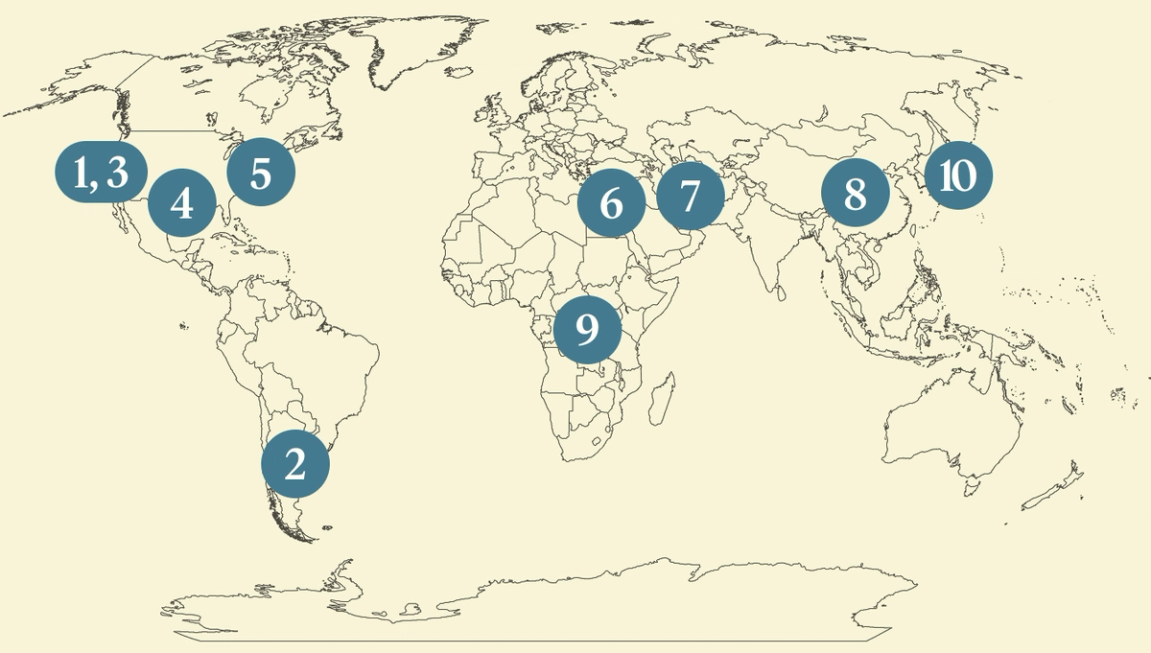 - AI CEOs’ biorisk warning
- Argentina deregulates AI
- Data center backlash in US
- SpaceX’s AI, IPO ambitions
- Tokenmaxxing reaches peak
- Israel, Lebanon ceasefire
- GOP rebels over Iran war
- Five Eyes LinkedIn warning
- Ebola response hampered
- Japan’s record-low fertility
 A book on the Chinese state’s — and public’s — amnesia over the Tiananmen Square massacre. |
|
AI rivals’ bioweapons warning |
 Google DeepMind CEO Demis Hassabis. Manuel Orbegozo/Reuters Google DeepMind CEO Demis Hassabis. Manuel Orbegozo/ReutersAI CEOs Dario Amodei, Demis Hassabis, and Sam Altman — rivals who have publicly been at odds on numerous issues — jointly called for laws to prevent AI being used to create bioweapons. The Anthropic, Google DeepMind, and OpenAI bosses warned that AI systems “outperform PhD-level virologists” on many biotech questions and could be used to make deadly pathogens. Some scholars have warned that bioengineered pandemics along with AI are among the greatest threats to human survival, and the latter’s ability to supercharge the former makes each more deadly. The US government is becoming more interventionist on AI safety, with President Donald Trump signing a controversial executive order asking tech firms to voluntarily submit frontier models for safety inspections. |
|
Countries deregulate in AI race |
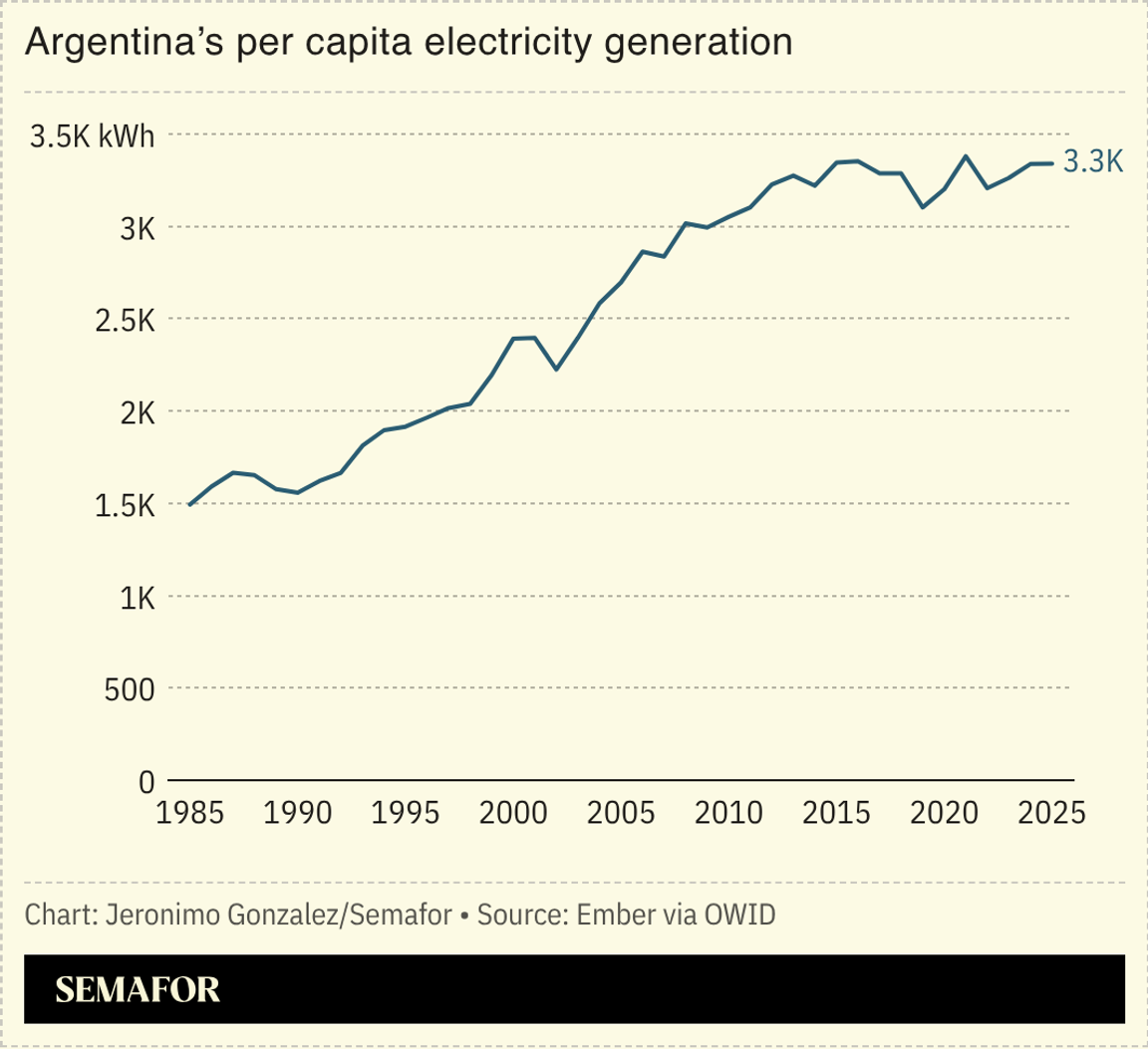 Argentina’s President Javier Milei said that new legal frameworks were required to unleash the power of AI, one of several countries racing to deregulate and speed adoption of the technology. Writing in the Financial Times, Milei compared AI to the industrial revolution, and said the creation of the limited liability company, placing a ceiling on investors’ risk, was vital to that revolution’s success. His government proposed a comparable shift: Recognition of non-human corporations, operated by AI without human shareholders. French President Emmanuel Macron is also trying to boost his country’s AI offering, backing a €110 billion infrastructure investment, but the plan faces regulatory and energy bottlenecks; the EU more widely is watering down what critics call too-stringent AI regulations. |
|
Data center opposition builds |
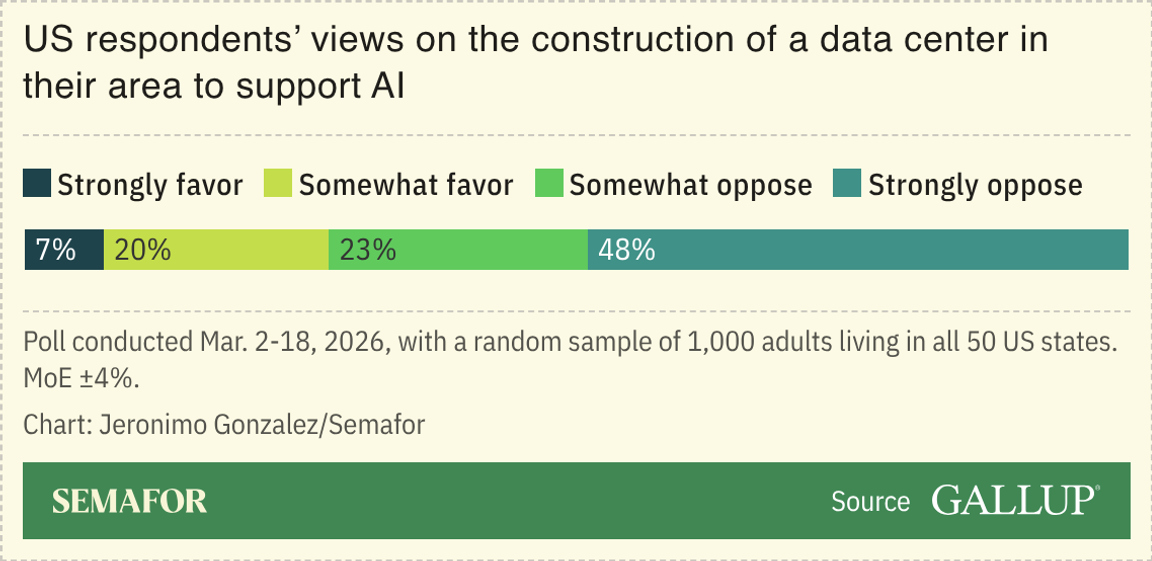 A California city appears to have voted to permanently ban the construction of data centers within its limits, underlining growing public opposition to the AI infrastructure buildout. Exit polls suggest 86% of Monterey Park voters backed the prohibition, following a proposal to build a 247,000-square-foot installation. Other legislatures have enacted pauses or bans, but this is believed to be the first move of its kind. US voters are increasingly turning against data centers: One pollster found 71% opposed one being built near their homes, up from 42% nine months ago. It is part of growing anti-AI sentiment, Gizmodo reported, with young people — those most affected by apparently AI-driven labor-market slowdowns — most strongly opposed. |
|
SpaceX sets record IPO target |
|
 Eduardo Munoz/File Photo/Reuters Eduardo Munoz/File Photo/ReutersCompanies’ use of AI is increasingly expensive and some are reining it in. One JPMorgan executive told Semafor that a number of the bank’s own employees are “spending more on tokens than their salary.” Firms are now limiting which employees can use which tools, having previously pushed them to integrate AI into their workflow. The ballooning costs have led Microsoft to cancel most of its Claude Code licenses, while Uber’s COO said AI costs were becoming “harder to justify.” One AI executive told Axios that firms were moving away from the “tokenmaxxing” model, and a consultant said one client failed to put usage limits on Claude and recently spent half a billion dollars in a single month. |
|
Israel, Lebanon agree ceasefire |
 Stringer/Reuters Stringer/ReutersIsrael and Lebanon agreed a ceasefire as the US sought to revive truce talks with Iran, though the effort was quickly put into doubt. Israeli hardliners and members of Hezbollah criticized the newly agreed deal, while Lebanon said Israel struck its territory soon after the agreement was put in place, after an April truce was repeatedly undermined. The ceasefire is part of efforts by the Trump administration to inject momentum into negotiations with Iran: Washington wants to separate the Israel-Lebanon talks from those involving Tehran, but Iran insists they be linked. Still, despite worries over the latest ceasefire, oil prices fell; two experts wrote in Foreign Policy that “de-escalation, rather than lasting peace, is still important.” |
|
 Evan Vucci/File Photo/Reuters Evan Vucci/File Photo/ReutersThe Republican-led US House of Representatives symbolically rebuked President Donald Trump over his war against Iran, the latest sign of widening intra-party rifts over the conflict. Trump has faced growing GOP pressure over a $1.8 billion government “anti-weaponization” program that critics have labelled a “slush fund,” as well as his nomination of a MAGA enforcer as the acting director of national intelligence, and his undermining of establishment lawmakers in primaries. His approval rating in May dropped to its lowest level since the start of his second term and dragged down the party’s chances ahead of November’s midterm elections, where Republicans are forecast to lose their House majority while the Senate race looks neck-and-neck. |
|
Western intel’s China warning |
 Dado Ruvic/Reuters Dado Ruvic/ReutersThe Five Eyes intelligence alliance warned that China was using LinkedIn and other social media platforms to recruit spies. The alert from the grouping — made up of Australia, Canada, New Zealand, the UK, and the US — reflected concern that Beijing is using AI to flood recruitment sites with deceptive offers in order to tap into sensitive data and information. It is part of long-running fears over Chinese espionage in the West more broadly: Britain delayed the approval of a new Chinese embassy complex over worries Beijing would use it for spying, while the FBI warns that Chinese intelligence efforts represent “a grave threat to the economic well-being” of the US. Beijing called the accusations “entirely fabricated and … malicious slander.” |
|
Japan fertility rate drops, again |
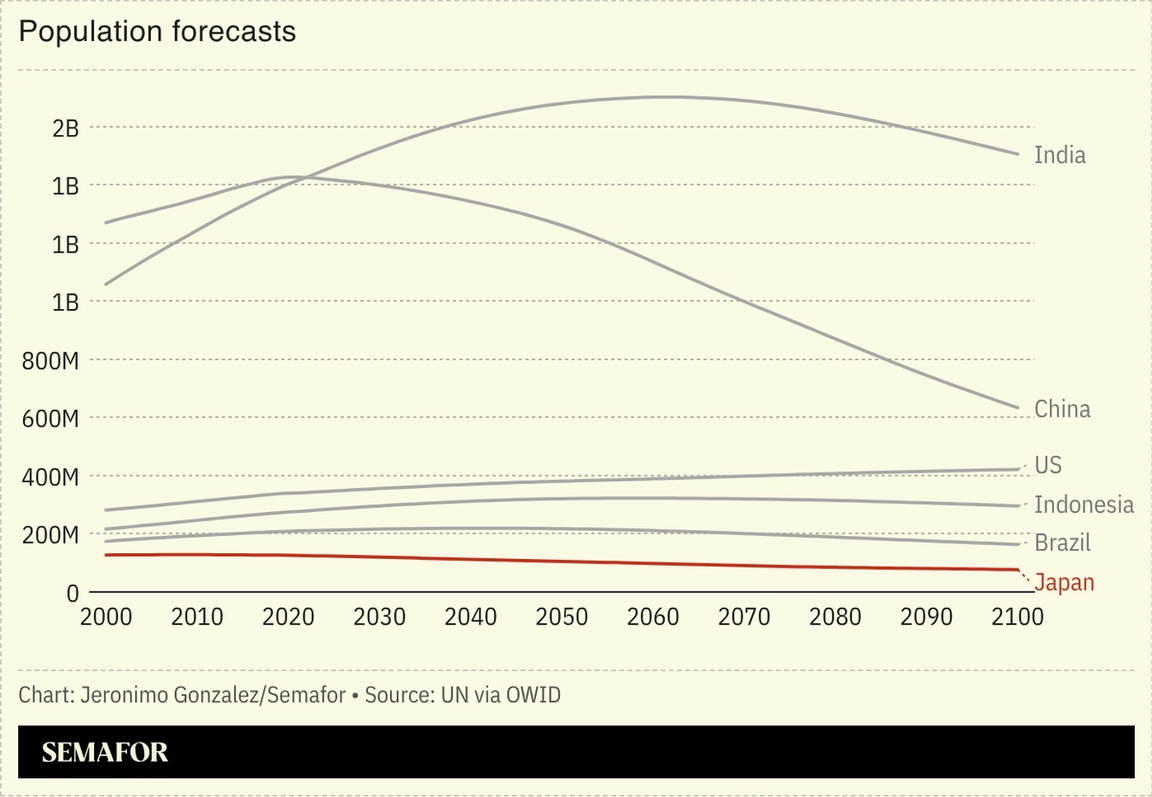 Japan’s fertility rate last year fell to a record low, worsening the country’s enormous demographic challenges. While Japan has become the poster child for a global demographic crisis, it is far from alone. In more than two-thirds of countries, fertility rates have fallen below replacement levels, and many richer countries have coupled that with a crackdown on immigration despite it being seen by many economists as a way to address the shortfall. While many factors — including higher urbanization and growing female labor force participation rates — are contributing, the most recent plunge appears to be connected to higher use of technology and its consequent impact on plummeting in-person socializing rates, a recent Financial Times study found. |
|
|