Plus: How Citigroup CEO Jane Fraser turned the bank’s chronic underperformance into decade-high revenue.
 ͏  ͏  ͏  ͏  ͏  ͏  ͏  ͏  ͏  ͏  ͏  ͏  ͏  ͏  ͏  ͏  ͏  ͏  ͏  ͏  ͏  ͏  ͏  ͏  ͏  ͏  ͏  ͏  ͏  ͏  ͏  ͏  ͏  ͏  ͏  ͏  ͏  ͏  ͏  ͏  ͏  ͏  ͏  ͏  ͏  ͏  ͏  ͏  ͏  ͏  ͏  ͏  ͏  ͏  ͏  ͏  ͏  ͏  ͏  ͏  ͏  ͏  ͏  ͏  ͏  ͏  ͏  ͏  ͏  ͏  ͏  ͏  ͏  ͏  ͏  ͏  ͏  ͏  ͏  ͏  ͏  ͏  ͏  ͏  ͏  ͏  ͏  ͏  ͏  ͏  ͏  ͏  ͏  ͏  ͏  ͏  ͏  ͏  ͏  ͏  ͏  ͏  ͏  ͏  ͏  ͏  ͏  ͏  ͏  ͏  ͏  ͏  ͏  ͏  ͏  ͏  ͏  ͏  ͏  ͏  ͏  ͏  ͏  ͏  ͏  ͏  ͏  ͏  ͏  ͏  ͏  ͏  ͏  ͏  ͏  ͏  ͏  ͏ ­ ­ ­ ­ ­ ­ ­ ­ ­ ­ ­ ­ ­ ­ ­ ­ ­ ­ ­ ­ ­ ­ ­ ­ ­ ­ ­ ­ ­ ­ ­ ­ ­ ­ ­ ­ ­ ­ ­ ­ ­ ­ ­ ­ ­ ­ ­ ­ ­ ­ ­ ­ ­ ­ ­ ­ ­ ­ ­ ­ ­ ­ ­ ­ ­ ­ ­ ­ ­ ­ ­ ­ ­ ­ ­ ­ ­ ­ ­ ­ ­ ­ ­ ­ ­ ­ ­ ­ ­ ­ ­ ­ ­ ­ ­ ­ ­ ­ ­ ­ ­ ­ ­ ­ ­ ­ ­ ­ ­ ­ ­ ­ ­ ­ ­ ­ ­ ­ ­ ­ ­ ­ ­ ­ ­ ­ ­ ­ ­ ­ ­ ­ ­ ­ ­ ­ ­ ­  
Fortune 500 Digest with Alyson Shontell
Saturday, May 30, 2026
Foreword
Alyson Shontell
Editor-in-Chief

For almost 100 years, Fortune has been tracking power in business—which companies and leaders are gaining it, and which are losing it. And, for 29 years, we’ve been tracking a rising subset of leaders: women.

The Fortune Most Powerful Women ranking was launched in 1998 by one of our former editors, Pattie Sellers, who saw a new trend emerging: Women were breaking into the top ranks of corporate America for the first time. Since then, women have come to run 11% of all Fortune 500 companies, the most ever, up from 8% just a few years ago.

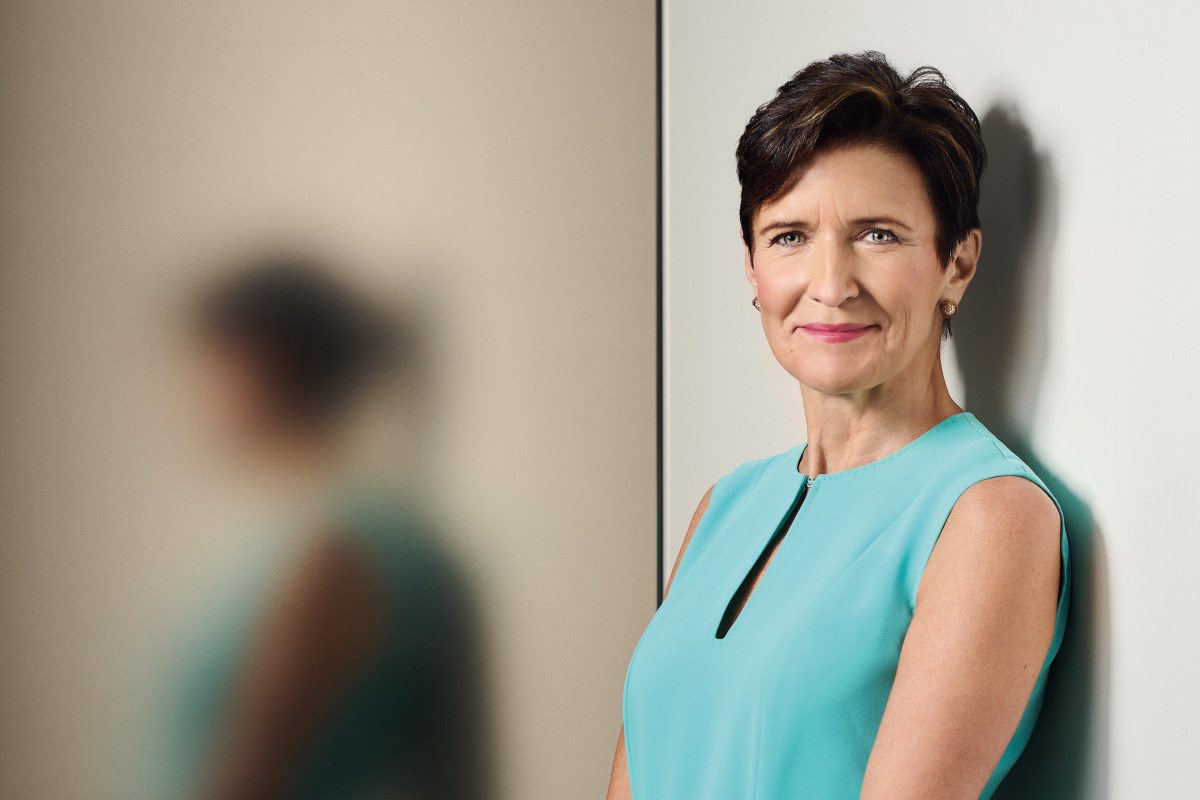
One CEO who has been through the fire and is emerging on the other side with impressive results is Citigroup (No. 21 on the Fortune 500) CEO Jane Fraser, who ranks No. 1 for the first time on our newly released 100 Most Powerful Women in Business list. When Fraser stepped into the job in 2021, the bank had trailed its rivals in profitability for years, and it looked like a near-impossible task to make the bank competitive with its Wall Street peers again.

By focusing the firm on just a few core areas and divesting from the rest, and reducing layers of management from 13 (!) down to eight, Fraser is showing how sticking to core initiatives and flattening the organization can get results. Citi’s stock is up about 67% in the past 12 months, and the bank’s Q1 revenue was the highest the firm has hit in a decade.

Another key takeaway from the MPW ranking this year is the sheer power of women in AI. Notably, the people controlling the massive AI capex spending in tech are almost all women—including Susan Li (CFO, Meta (No. 22)), Sarah Friar (CFO, OpenAI), and Daniela Amodei (Cofounder and President, Anthropic), to name just a few. Their decisions will shape the future we all live in. Our list also shines a light on some international CEOs you need to know about who are shaping global business.

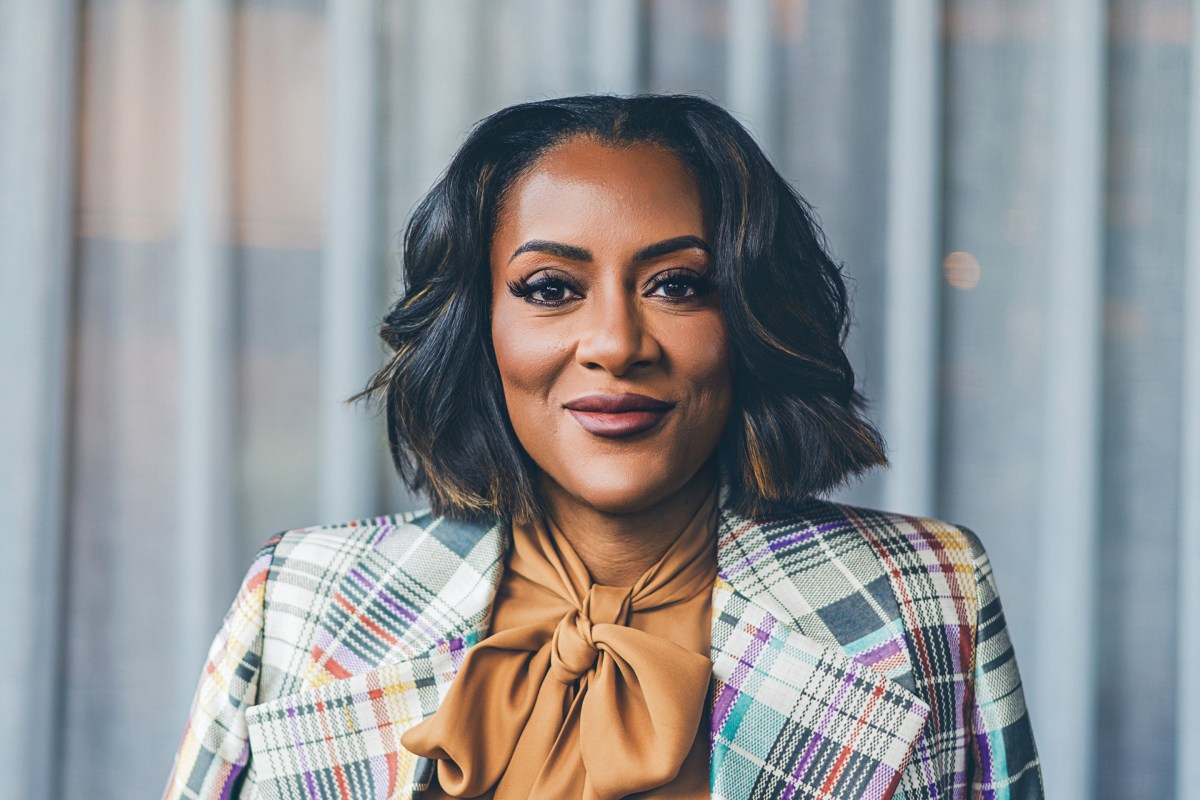
To learn more about these power players, check out Fortune’s 2026 100 Most Powerful Women. I’m interviewing one of them, TIAA (No. 98) CEO Thasunda Brown Duckett (MPW No. 7), for my Fortune 500: Titans and Disruptors of Industry podcast next week. Email me any questions you’d like to hear her answer, and tune in to past Titans episodes here.

And mark your calendars for Wednesday, June 3—when the 72nd edition of our flagship Fortune 500 ranking will go live.

Follow Alyson on X, LinkedIn, TikTok, Instagram, and the Titans and Disruptors vodcast.

Catch Up
Fortune 500 C-suite Power Moves
  • Jacobs Solutions (No. 245) appointed Cheryl Lim CHRO
  • Philip Morris International (No. 121) appointed Massimo Andolina CFO
  • DoorDash (No. 394) appointed Tim Castree CMO
And more in this week's Fortune 500 Power Moves.
Deals & Developments
  • The European Union is preparing to fine Google, owned by Alphabet (No. 7), hundreds of millions of euros over allegations the search giant favored its own services over rivals’ in search results, German newspaper Handelsblatt reports.
  • American Airlines Group (No. 81) will offer free Wi-Fi to AAdvantage loyalty members flying on its narrow-body Airbus fleet through a new partnership with Elon Musk’s Starlink, beginning in Q1 2027.
  • Qualcomm (No. 117) will provide ByteDance—TikTok’s parent company—with millions of AI data center chips to power the platform’s Doubao AI agent software, Bloomberg reports.
  • Uber Technologies (No. 101) boosted its stake in Delivery Hero to nearly 37% by buying out Aspex Management’s roughly 14% holding, a transaction that values the German delivery company at about €12 billion ($14 billion). Uber previously offered to take the company over for €33 per share; a source told the Financial Times that a revised takeover bid is likely “weeks away.”
  • Dell Technologies (No. 44) landed a $9.7 billion Pentagon contract to consolidate Microsoft software, services, and licenses across the Department of Defense.
Overheard
“And I say, ‘Well, I want 15% of the railroad if you’re going to merge.’”
—During a May 12 interview with Fortune, President Donald Trump said that he wanted the government to gain an ownership stake in a pending railroad merger. This week, a federal regulator put the $71.5 billion merger of Union Paci