
|



Sometimes seemingly unrelated topics can make you think deeply about investing.
That happened to me just the other day - the topic that did it?
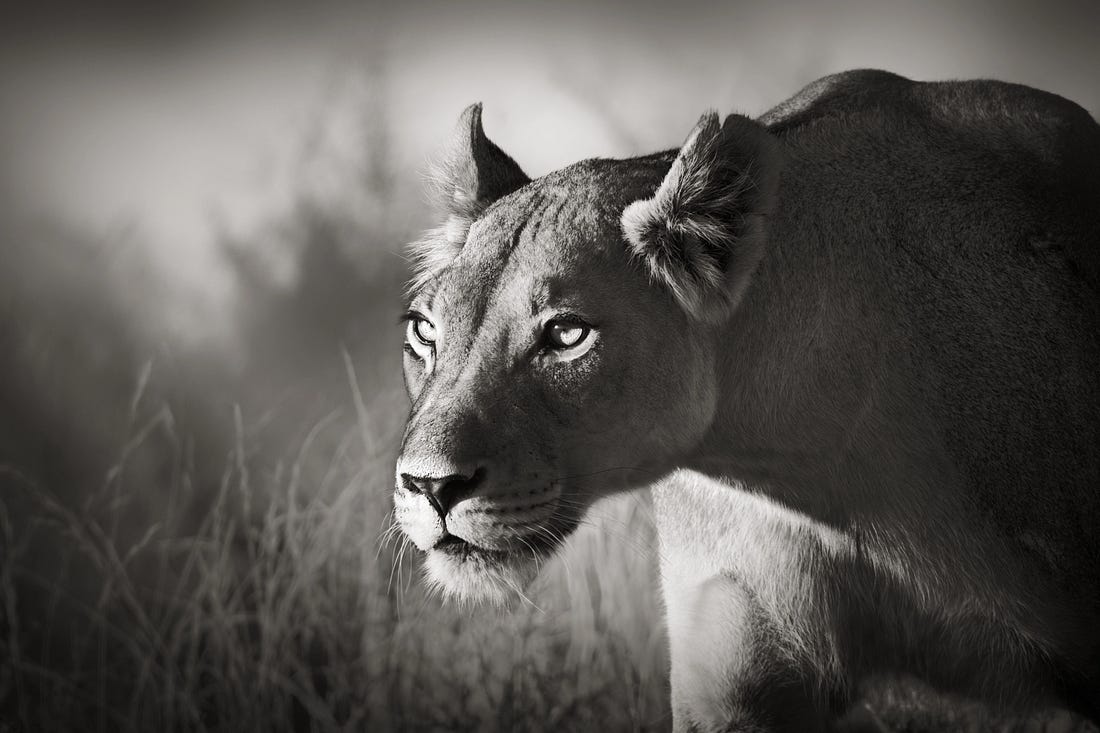
Predators.

 |
I love most things related to nature and the outdoors.
This summer I’m looking forward to mountain biking, spending time by the pool, and the newest thing I’m learning - fly fishing.
But I was recently reading about the relationship between predators and prey animals.
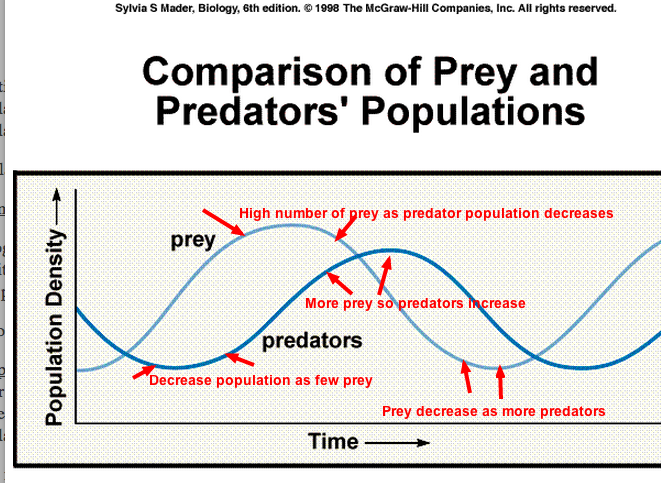
On the surface, it seems pretty simple - predators eat prey.
More prey brings in more predators, the prey population drops, and the predator population follows.
Then the cycle repeats.
 |
For a long time, scientists had a very simple model.
If a deer gets eaten by a mountain lion, that’s predation
If a deer starves to death, that’s environmental
But it turns out that there’s a lot more to it than that.
The understanding changed when wolves were brought back to Yellowstone National Park.
Yellowstone is the world's first national park, established in 1872. Located mostly in Wyoming, it is a massive, protected wilderness area that is roughly the same size as the Mediterranean island of Corsica.
Because it has been protected for over 150 years, Yellowstone is one of the few places in the Northern Hemisphere where the original ecosystem is still completely intact.
It’s full of free-roaming wildlife that you rarely see anywhere else.
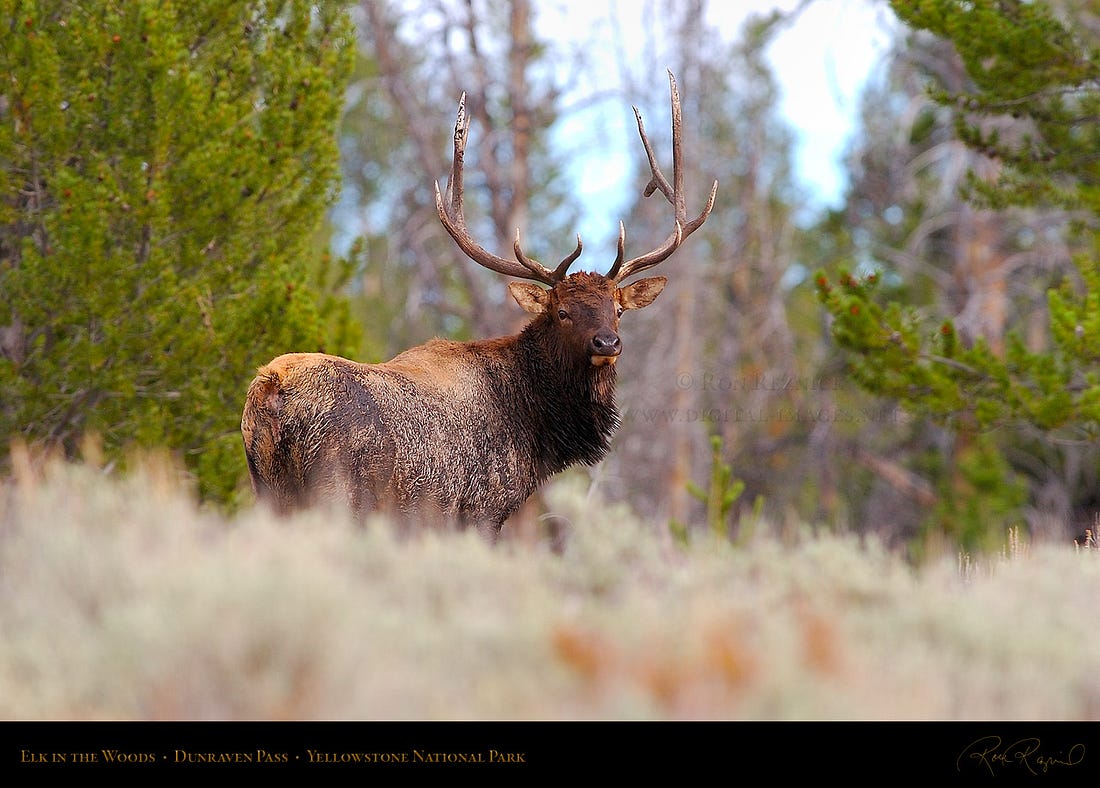
Elk are one of Yellowstone’s most abundant animals.
 |
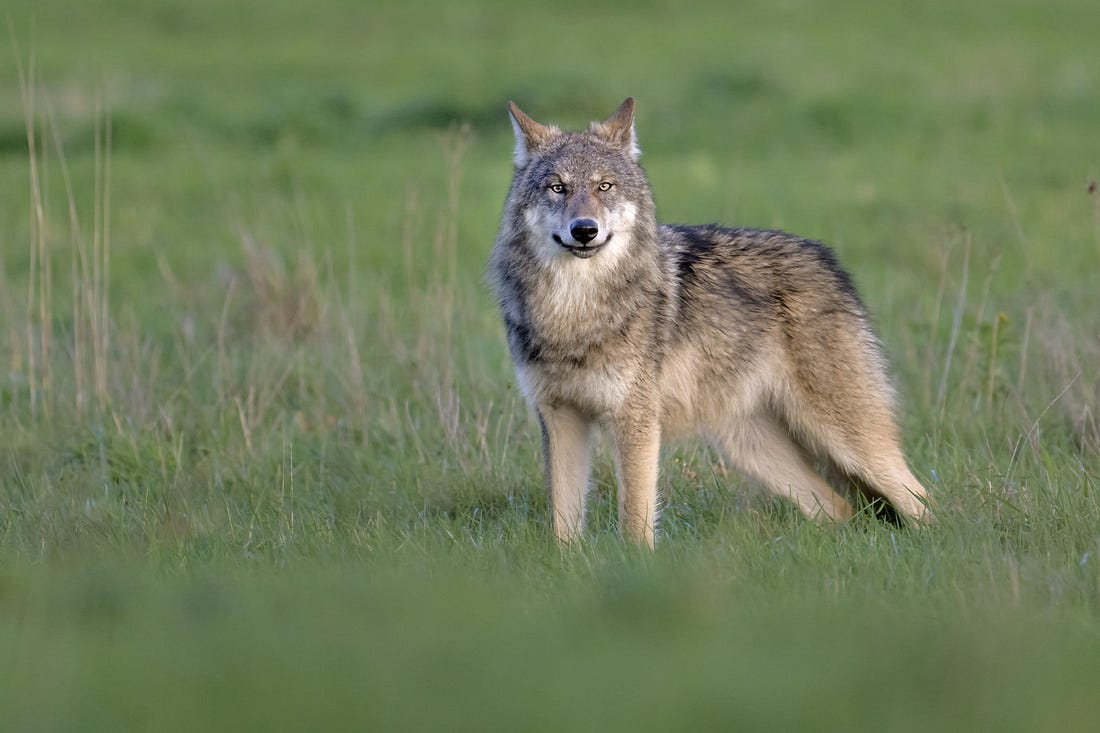
When wolves were reintroduced to the park in the 1990’s, the Elk population dropped, which was no surprise.
What was surprising is that more and more elk started starving during mild winters.
Why?
Because before there were wolves in the park, the elk could spend as much time in the meadows as they wanted, eating as much grass as they wanted.
With wolves present, they moved up the mountains where they could escape the wolves, but that limited food.
 |
And some started starving to death in what was previously considered a mild winter.
Nature is a complex ecosystem, where one change can have unexpected secondary and tertiary effects.
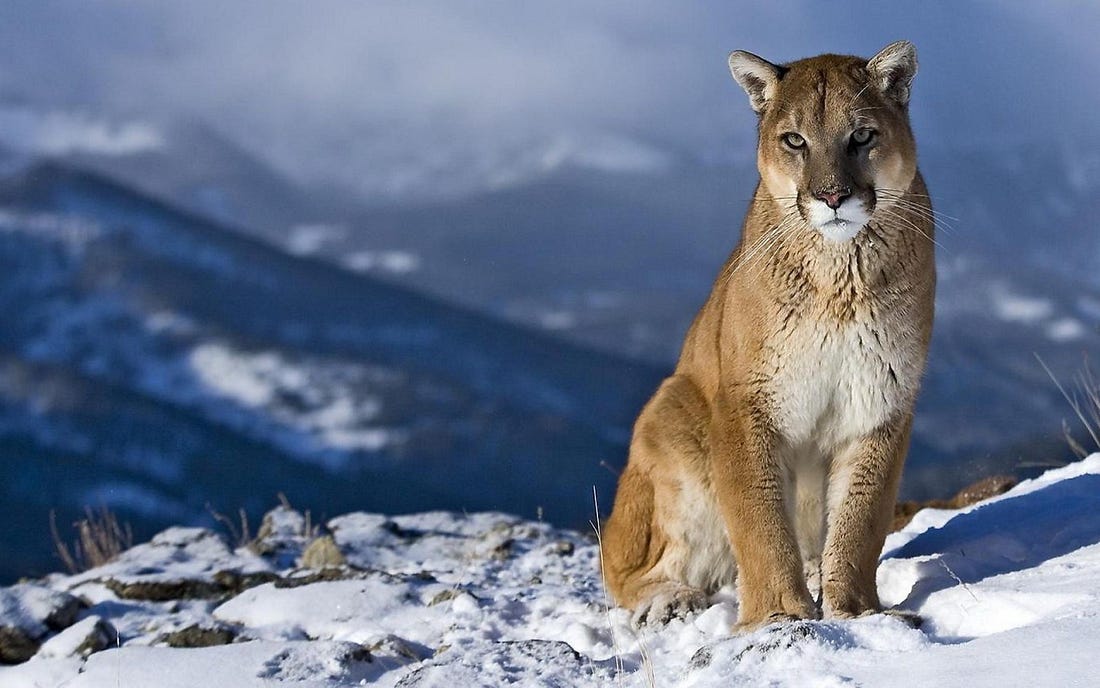
Mountain Lions and Deer
Mountain lions and deer exist in predator-prey relationships throughout the western United States.
 |
When scientists look at what deer mountain lions kill, there are some patterns.
Male deer: Mountain lions target them much more often than you would expect based on how many males are actually in the herd.
Females and young deer: Mountain lions hunt them at normal, expected rates, without preferring one over the other.
This is probably less about mountain lions preferring male deer, and more about the behavior of male deer.