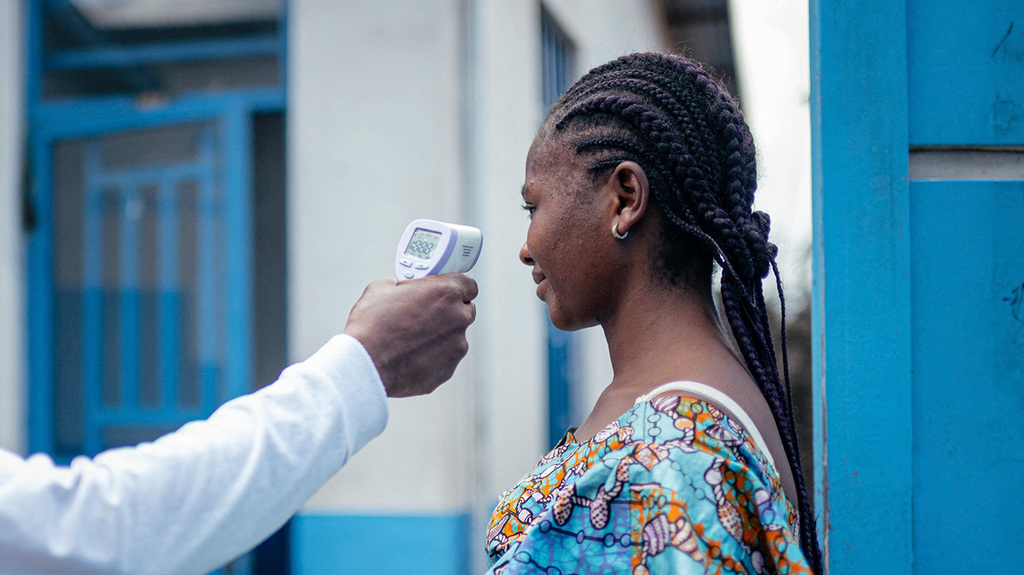
What you need to know about the new Ebola emergency |
The World Health Organization (WHO) declared the current Ebola outbreak in the Democratic Republic of the Congo and Uganda “a public health emergency of international concern” on May 17. This designation sounds alarming, but has a more specific meaning than most people assume.
At least 600 suspected cases and 139 suspected deaths have been reported across the two countries. An American healthcare worker has been diagnosed and is receiving treatment in Germany.
One reason the WHO elevated its concern is that the Bundibugyo strain behind this outbreak has no approved vaccine or targeted treatment. Infectious disease specialist Monica Gandhi, a professor of medicine at the University of California, San Francisco, says a pandemic scenario remains unlikely. “Ebola is not airborne or spread by casual contact but does require prolonged contact with body fluids or secretions from an infected person,” she explained.
COVID was first classified as a global health emergency before being elevated to pandemic status. The 2022–23 mpox emergency never escalated. The current declaration signals that international coordination is needed, but not that the disease is spreading uncontrollably. For those outside affected regions, the practical risk remains very low.
To learn what makes this strain different from those we have vaccines for, and what early symptoms travelers should watch for, jump to “WHO declares Ebola global health emergency: 6 things to know.”
Also making headlines this week:
| |


