
|



Every quarter, managers with over $100 million in assets have to report their holdings.
This year, Berkshire Hathaway’s 13F was particularly interesting.
It represents the first quarter since Greg Abel took over and there were some big changes, and some big lessons we can take away - let’s dive right in!

 |
First, let’s look at the changes made to the Berkshire Hathaway portfolio.
In the first quarter, Greg Abel:
Added to 4 existing positions
Bought 2 new companies
Reduced holdings in 6 companies
Completely sold out of 16 (!) companies
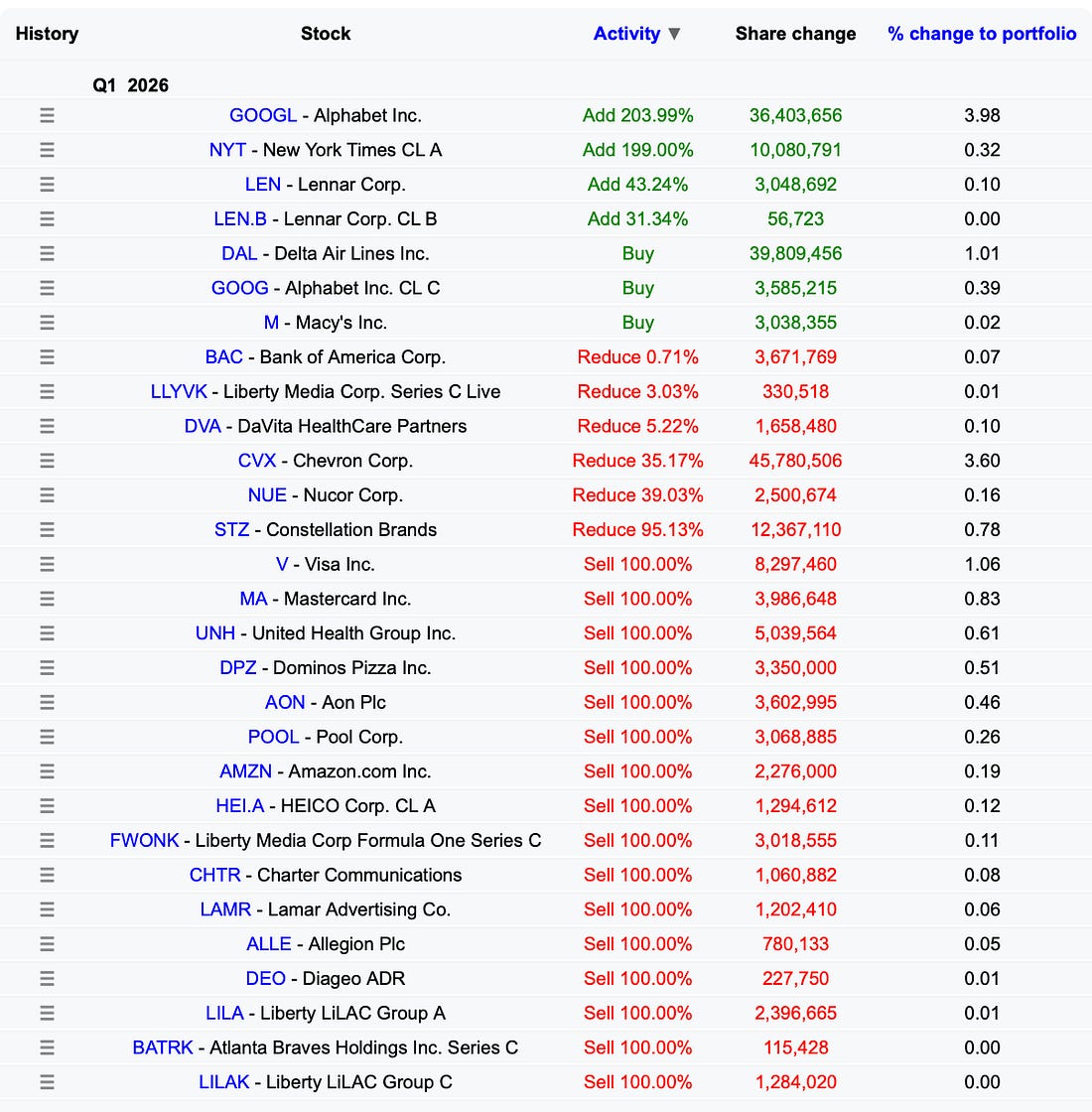 |
This looks dramatic - it’s rare for Berkshire to completely exit so many businesses in a quarter.
There was lots of chatter on social media about it.
But this is a great example of needing to have a deep understanding of what’s going on.
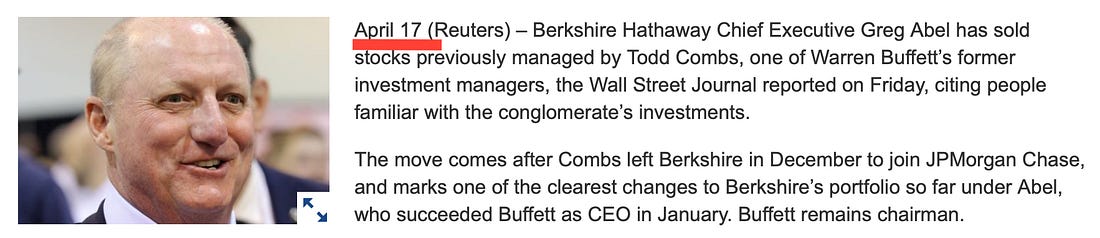
For anyone following the company, we knew a month ago that there would be positions that were completely sold.
 |
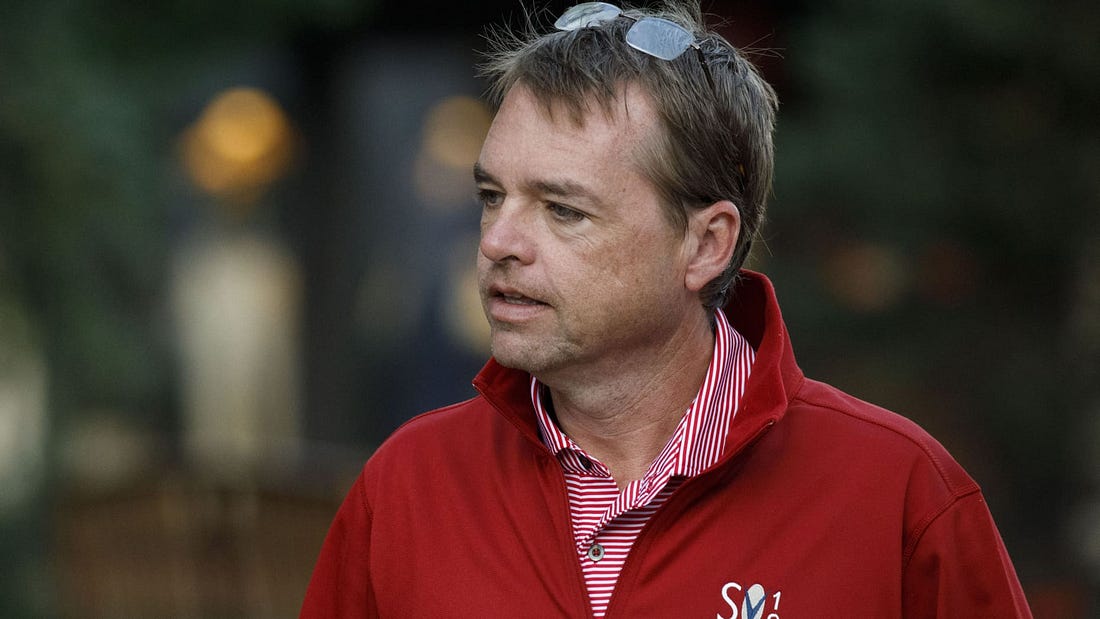
Todd Combs’ Exit
What looks like a sudden portfolio housecleaning is really the result of a shift in Berkshire’s investment team.
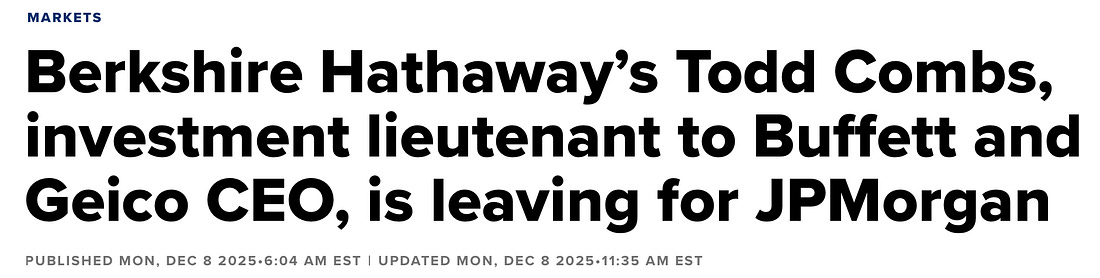
Todd Combs departed Berkshire Hathaway to lead a new $10 billion Strategic Investment Group at JPMorgan Chase in December.
 |
For a quick refresher: Todd Combs was one of Warren Buffett’s two hand-picked investment lieutenants, working alongside Ted Weschler for 15 years.
In addition to managing a multi-billion dollar portion of Berkshire’s equity portfolio, Combs was also the CEO of GEICO.
 |
When he left, Greg Abel and Ted Weschler were left holding an equities portfolio sprinkled with legacy positions they didn’t personally pick.
Why Abel Cleaned House
Looking down the list of the sold positions, you might find yourself scratching your head.
Berkshire fully dumped companies like Amazon, Visa, Mastercard, and Atlanta Braves Holdings.
If you look at the fundamentals, these are world-class operations:
Visa and Mastercard have a virtually unbreakable global payments duopoly
Amazon remains an absolute juggernaut in e-commerce and cloud infrastructure
The Atlanta Braves are a unique, one-of-a-kind sports franchise asset
So, why did Abel sell? Did these businesses suddenly turn into bad investments?
Absolutely not.
The problem isn’t the underlying businesses, it’s that he doesn’t own the investment thesis.
Greg Abel and Ted Weschler obviously understand how Visa or Amazon work.
But they didn’t initiate thes