On Sunday, nearly 150 passengers and crew disembarked from the MV Hondius, a Dutch expeditionary ship now at the center of a hantavirus outbreak. Hantaviruses are typically spread by rodents, but this incident involves a species named Andes, which has demonstrated human-to-human transmission through close contact with an infected individual, generally through prolonged exposure.
Although the World Health Organization (WHO) has assessed the outbreak as carrying a low risk to the public, it comes at a delicate moment for global health law. Next week WHO parties at the seventy-ninth World Health Assembly (WHA) will review negotiations for the Pandemic Agreement’s pathogen access and benefit sharing (PABS) annex. Alexandra L. Phelan from the Johns Hopkins Bloomberg School of Public Health explains how the Hondius incident exposes the need for WHO member states to commit to the PABS annex with legally enforceable equity provisions and consider what nation withdrawal from the body means for collective health security.
The pending U.S. and Argentinian withdrawals from the WHO will loom over WHA conversations. Sara Al Dallal, president of the Emirates Health Economics Society, explains how those moves threaten existing mechanisms for infectious-disease surveillance. Argentina’s situation, in particular, raises complex legal questions about treaty withdrawal and global health governance given that the country wants to remain in the Pan American Health Organization (PAHO), which, among its roles, serves as the WHO regional office for the Americas.
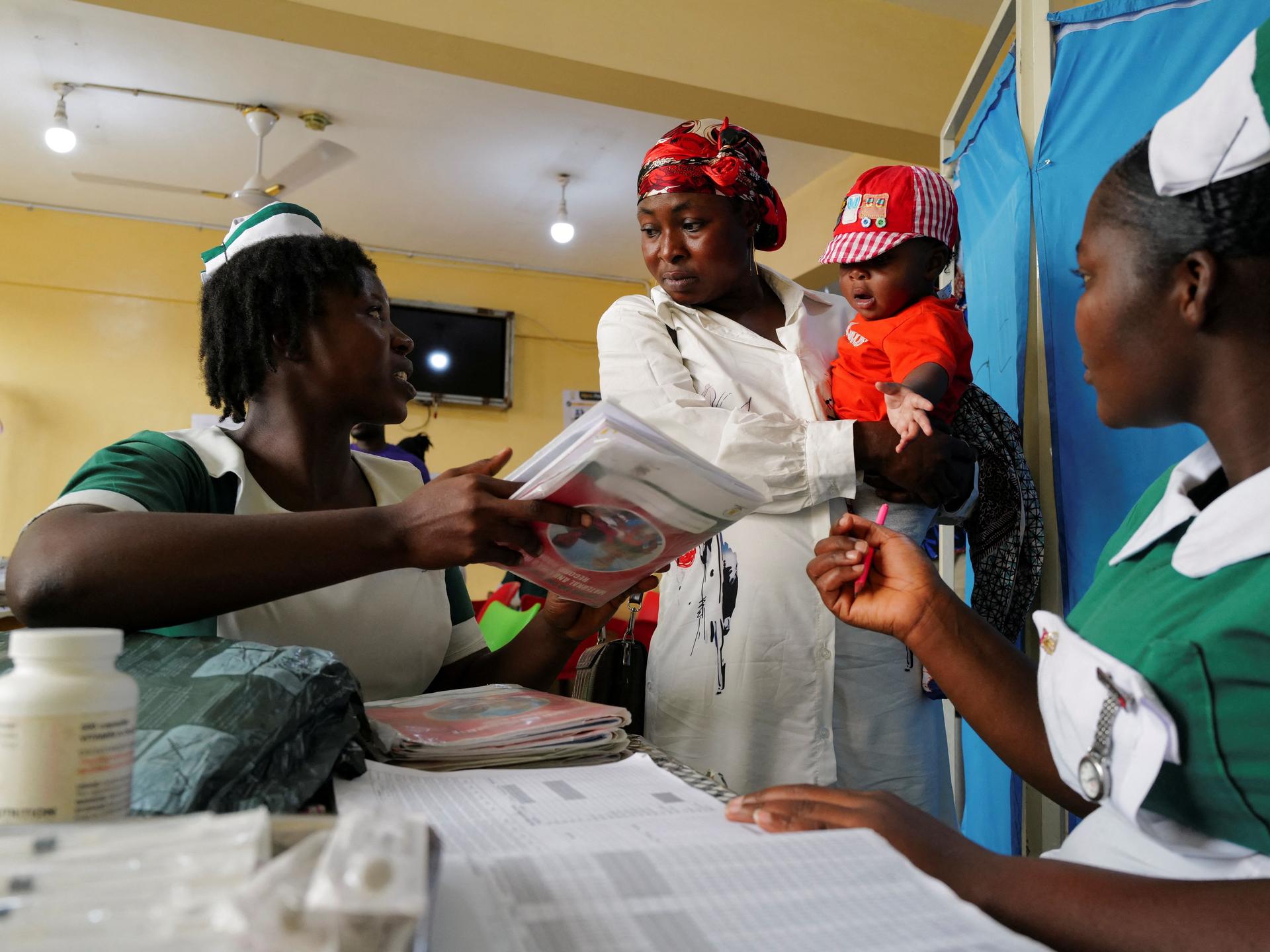
Maternal, infant, and young-child health is another WHA priority. Ahead of those discussions, New Zealand’s former Prime Minister Helen Clark and Executive Director of the Partnership for Maternal, Newborn and Child Health Rajat Khosla urge governments to center women, children, and adolescents in their plans for equity, country ownership, and sustainable financing. Without that intention, they warn, hard-won gains against maternal and infant mortality could be reversed.
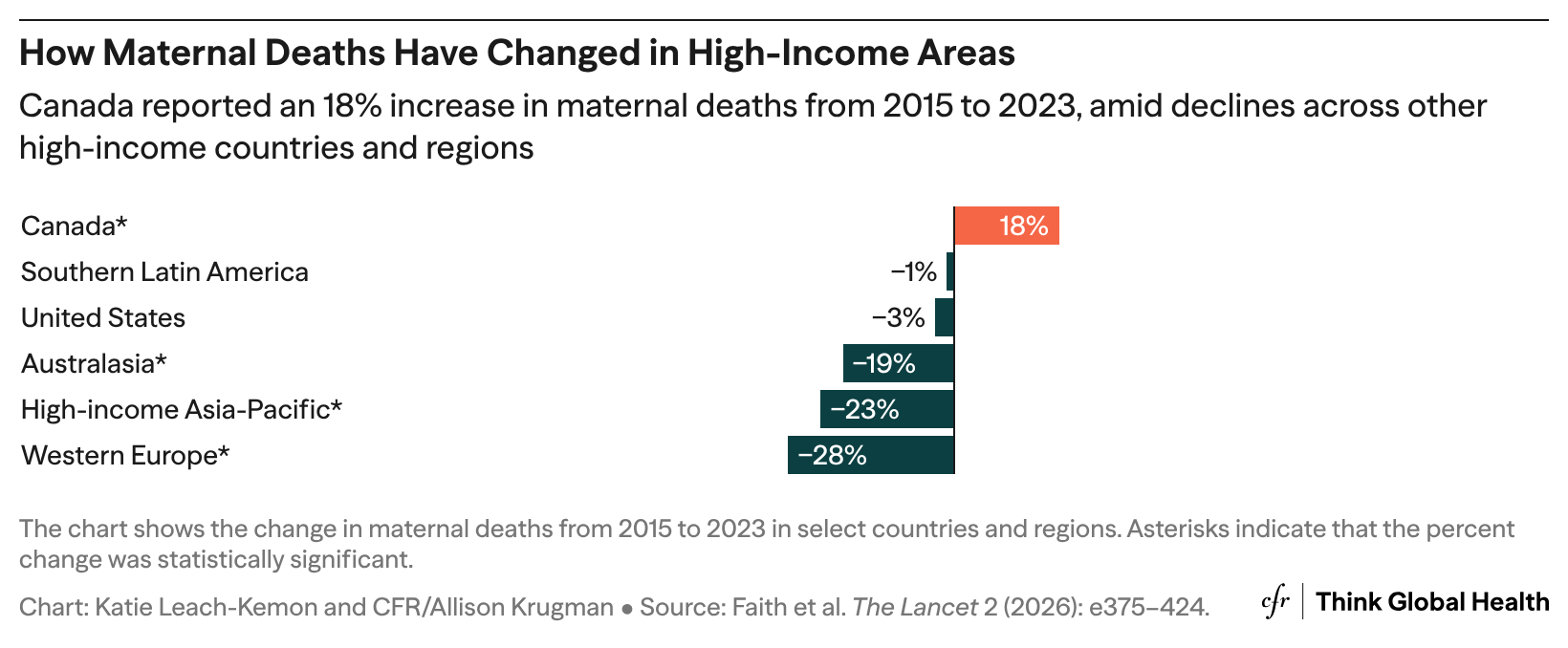
Katherine Leach-Kemon, senior content strategist at the University of Washington’s Institute for Health Metrics and Evaluation, continues the discussion of maternal mortality by deciphering a recent study in the Lancet Obstetrics, Gynaecology, & Women’s Health, finding that Canada’s maternal deaths rose 18% from 2015 to 2023.
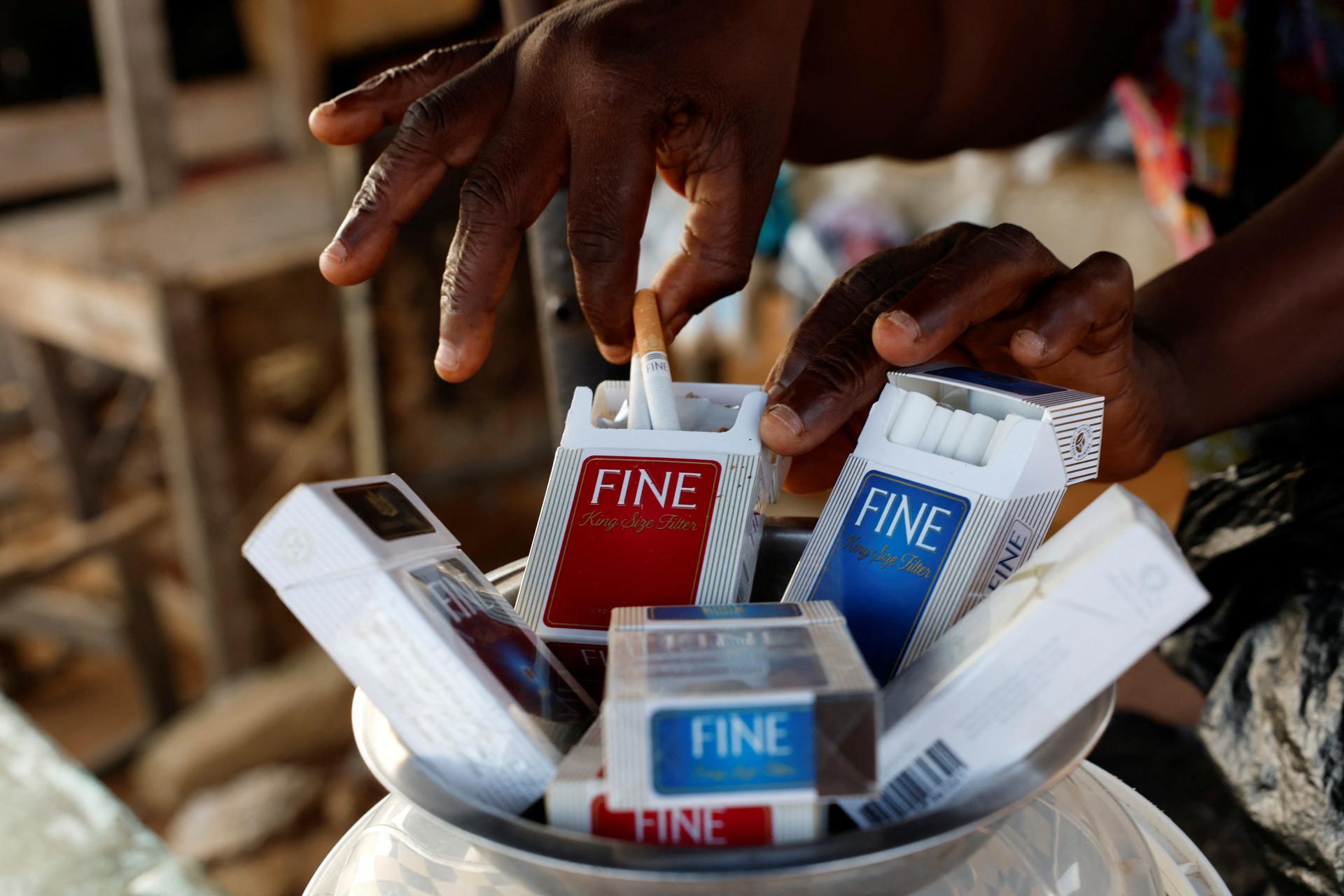
To wrap up, Tom Frieden, president and CEO of Resolve to Save Lives, debunks 10 misconceptions about health taxes.
Until next week!—Nsikan Akpan, Managing Editor, and Caroline Kantis, Associate Editor