Hello!
Power and pricing take today’s focus as we unpack the ways in which millions of Americans are unknowingly financing electric grid projects before they get any benefit, passing on costs to customers, as officials seek to upgrade electric grids to keep up with demand from data centers.
We’ll also look at how Chile’s environmental authorities gave the green light for Amazon Web Services’ plans for a data center despite pushback from residents on concerns over destruction of conservation spaces, water resources and the potential construction of a high-voltage power line. And here are some of the top social and governance stories on my radar today: |
|
|
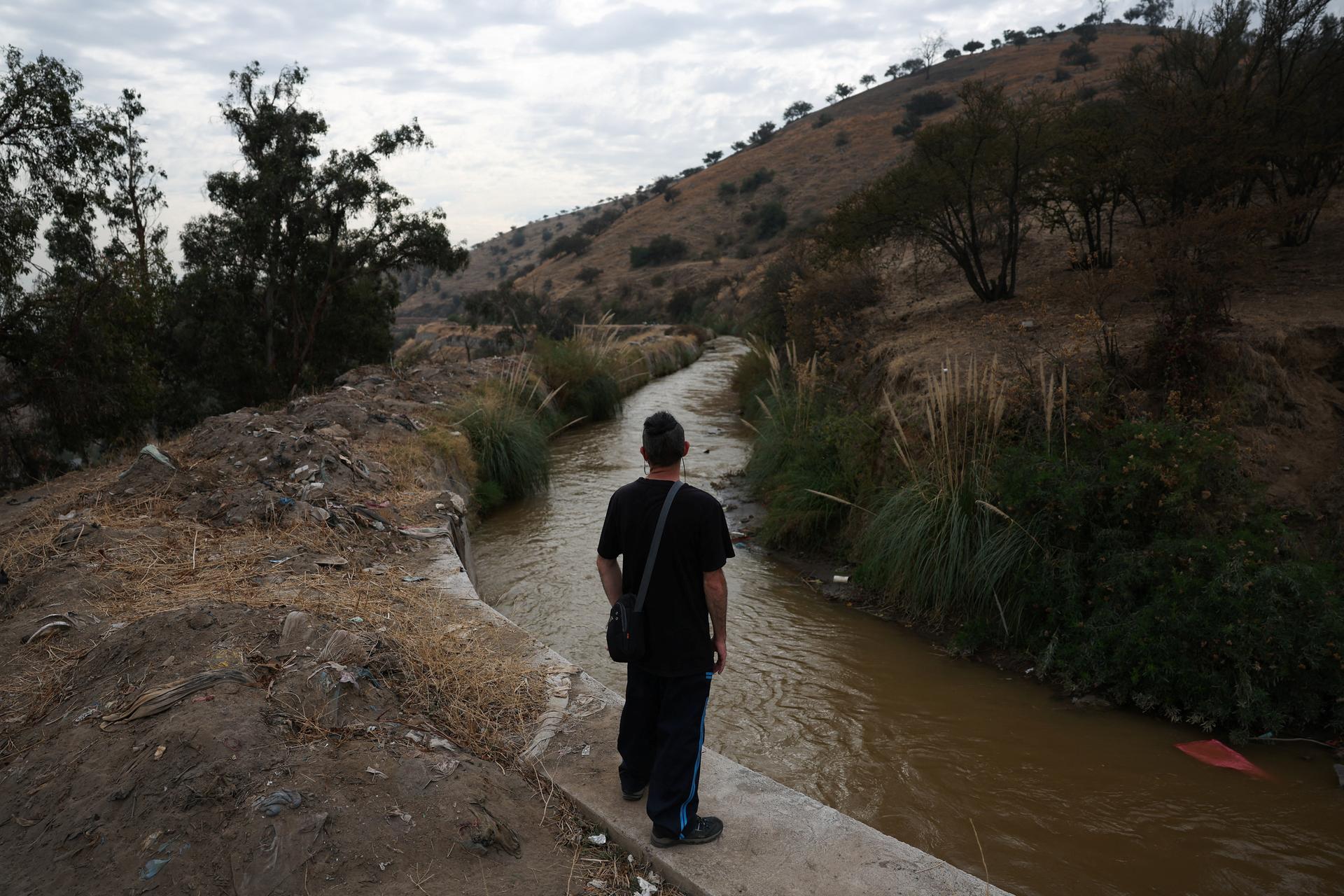
Patricio Hernandez looks at the El Carmen water channel, near the site of a planned Amazon data center in Santiago, Chile. REUTERS/Pablo Sanhueza |
Passing costs to customers |
U.S. policymakers are increasingly letting utilities charge customers for power plants and transmission lines long before they’ve been built, boosting near-term bills in exchange for promised savings decades down the road, according to a Reuters review of regulatory disclosures.
The incentives aim to supercharge grid upgrades at a time of soaring demand from data centers that power artificial intelligence but are also raising power bills for households and businesses already reeling from rising energy costs.
Traditionally, utilities seeking to build expensive infrastructure projects have had to secure loans from banks and investors and are only allowed to pass along those costs to customers after the projects are finished. But those projects can also be financed in advance under the so-called Construction Work In Progress (CWIP) incentive. |
What’s a CWIP incentive, you ask? |
CWIP is a benefit that supercharges cash flow and reduces borrowing costs for electric utilities. The fees typically total several dollars per month on an average household bill, multiplied across millions of customers. At least 40 U.S. states now have some form of CWIP incentive, according to a Reuters review of several thousand pages of electric utility rate disclosures. That’s twice as many as a decade ago, when a survey by economic consultant The Brattle Group found fewer than 20 states with CWIP provisions.
Reuters also interviewed two dozen industry officials, analysts, and consumer watchdogs to reflect the impact of these policies on the buildout and repair of the grid and on the electricity bills of American households and businesses. Many of the new state CWIP policies have been introduced in just the past few years, as tightness on the grid has worsened, according to the Reuters reporting. But business and consumer groups criticize CWIP for forcing up power costs for projects that may never benefit them. "All this does is shift the financial risk to the ratepayer," said Paul Cicio, president of the Industrial Energy Consumers of America, a trade group that represents large manufacturers. "The average ratepayer has no idea this is happening."
Click here for the full Reuters deep-dive. |
|
|
|
Santiago’s lost battle against AWS |
Over in the northern outskirts of Chile's capital Santiago, a hilly area below the Andes mountains, residents like Patricio Hernandez fear that the green space could be devastated by a major Amazon data center complex.
Hernandez and other residents tried to block the data center, arguing the permit did not consider the potential construction of a high-voltage power line that they said would be needed to feed the site, but they lost their case.
Environmental authorities in early April ruled the data center could move ahead, saying that any plans for a power line should be assessed separately. Amazon Web Services said it aims for the data center to consume minimal energy and water and that its plan had met the environmental requirements.
"Chile is a magnet for this industry," said Sebastian Diaz, a sustainable city specialist and former adviser on Chile's national data center plan. He also warned that Chile and the wider region must balance attracting investment with protecting people and the environment from negative consequences. |
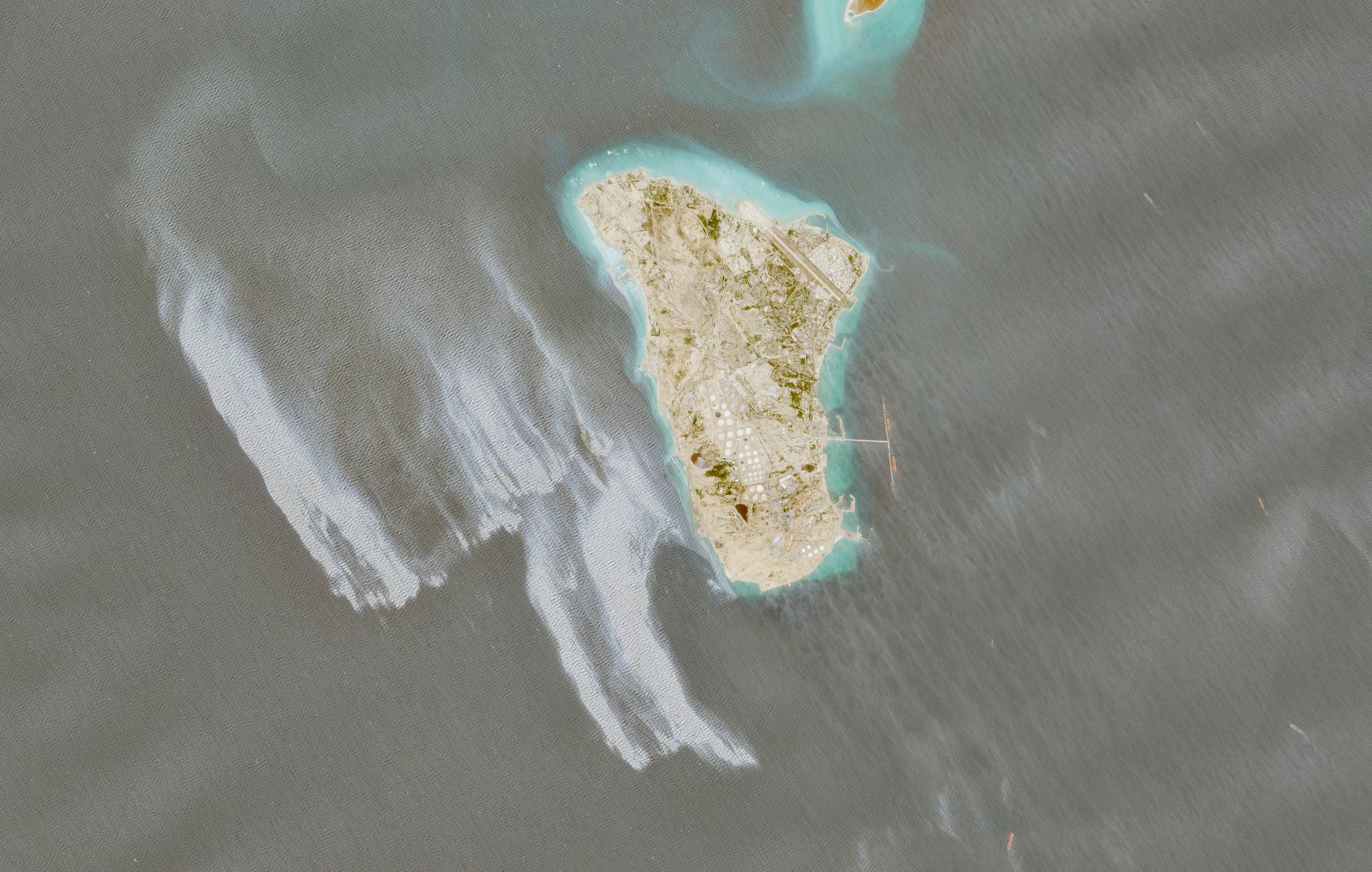
A satellite image shows likely oil spill covering dozens of square kilometers near Iran's Kharg Island. EUROPEAN UNION/COPERNICUS SENTINEL-2/Handout via REUTERS |
-
Oil spill near Iran: A suspected oil spill covering dozens of square kilometers of sea near Iran's main oil hub of Kharg Island has been seen on satellite imagery this week. “The slick appears visually consistent with oil,” said Leon Moreland, researcher at the Conflict and Environment Observatory. The cause of the possible spill and the point of origin are currently unknown, Moreland added, noting that images from May 8 showed no evidence of additional active spills.
-
Climate change fires: Climate change has driven record-breaking outbreaks of fire in Africa, Asia and elsewhere from January to April this year, causing unprecedented levels of damage, according to data compiled by World Weather Attribution. Scientists warn that conditions are expected to get worse as the northern hemisphere summer approaches and El Nino weather patterns kick in.
-
Australia’s Fortescue v Indigenous groups case: Federal Court of Australia Judge Stephen Burley ordered miner Fortescue to pay A$150 million ($108 million) in compensation to an Indigenous group for a cultural loss caused by iron ore mining on their land without their permission. The decision marks one of the largest ever payouts in Australia's history brought under native title laws recognising Indigenous rights and interests in certain parcels of land.
-
Singapore volcano eruption: Two Singaporean nationals who went missing following the eruption of Mount Dukono on Indonesia's Halmahera Island were confirmed dead over the weekend, according to Iwan Ramdani, head of the local rescue agency. Seventeen people, including seven Singaporeans and 10 Indonesians, survived the incident. Indonesia's volcanology agency reported at least four eruptions as of Sunday, with one sending ash 1.3 km (0.8 mile) high.
-
Zimbabwe farmers’ costs: The fresh produce export season in Zimbabwe has got off to a challenging start for farmers after a rise in freight costs due to the Iran war. "To get products to London and Amsterdam is more expensive this year," Clarence Mwale, CEO of export company Kuminda, told Reuters, adding that flight disruptions to the United Arab Emirates had also affected shipments to that market. Click here for the full Reuters story.
|
|
|
|
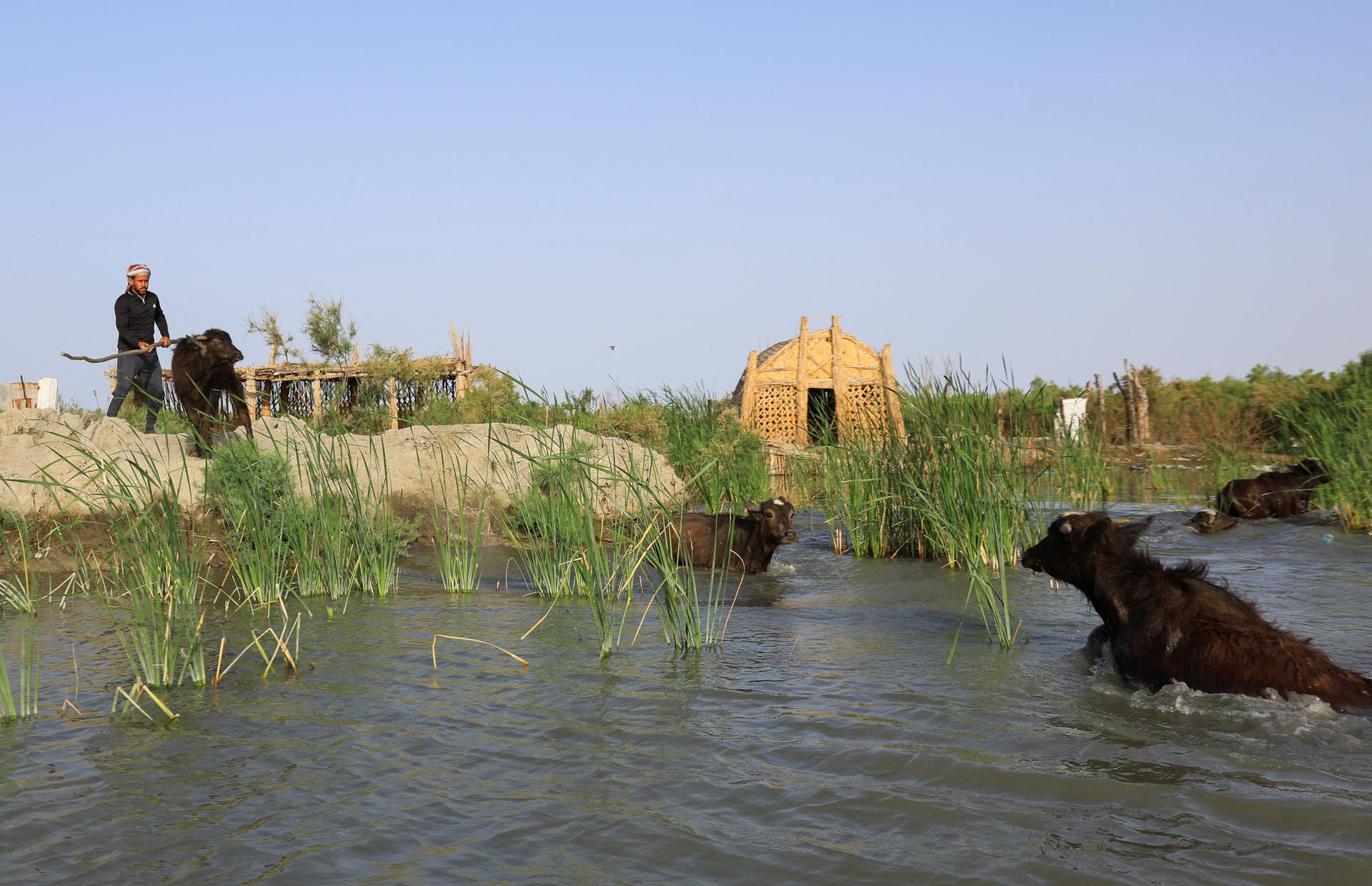
buffalo herder guides water buffaloes through marsh waters at the Chibayish marshes in Dhi Qar province, Iraq. REUTERS/Thaier Al-Sudani |
Climate change stories are not all about messages of doom, but can also seek to inspire and provide hope, like today’s spotlight on Iraq’s once dried up marshes springing back to life.
After years of drought that left large swathes of Iraq's historic marshes cracked and empty, rising water levels are beginning to revive the wetlands, drawing buffalo herders and fishermen back to areas once abandoned.
Iraqi marshland expert Jassim al-Assadi said the Ishan Hallab area - part of Iraq's marshes, believed by some to be the biblical Garden of Eden and designated a UNESCO World Heritage site in 2016 - had dried up completely between 2021 and 2025, forcing herders to abandon it. |
|
|
|
Sustainable Switch was edited by Emelia Sithole-Matarise. |
|
|
|
|