And, will Indian fans miss the FIFA World Cup?
 

India File

India File

By Ira Dugal, Editor Financial News, with global Reuters staff

Wealthy middle-class citizens looking to avoid the searing summer heat at home by escaping to the glaciers of Switzerland or the waters of Lake Como should instead explore heading to the hills of Darjeeling or Ooty. That's what the government is exhorting them to do to help reduce the pressure on its balance of payments and salvage the faltering rupee amid the Iran war.

Will New Delhi have to explore crisis-time measures such as foreign travel restrictions to curb outflows or boost dollar inflows? That's our focus this week. Share your views with me on ira.dugal@thomsonreuters.com.

And, football fans in India and China may be blocked out from the largest football event of the year. Scroll down for more on that.


This week in Asia

  • Hungry to sell, UAE slips hidden oil tankers through Strait of Hormuz
  • Stung by Iran war, Trump heads to China in need of wins
  • US prepared for visa sanctions on China over migrants issue, official says
  • Japan bets on Washington, BOJ for extra punch in yen battle
  • Oil-price bets ahead of Iran war news totalled $7 billion, reporting shows
 

Trying to save the last drop of oil


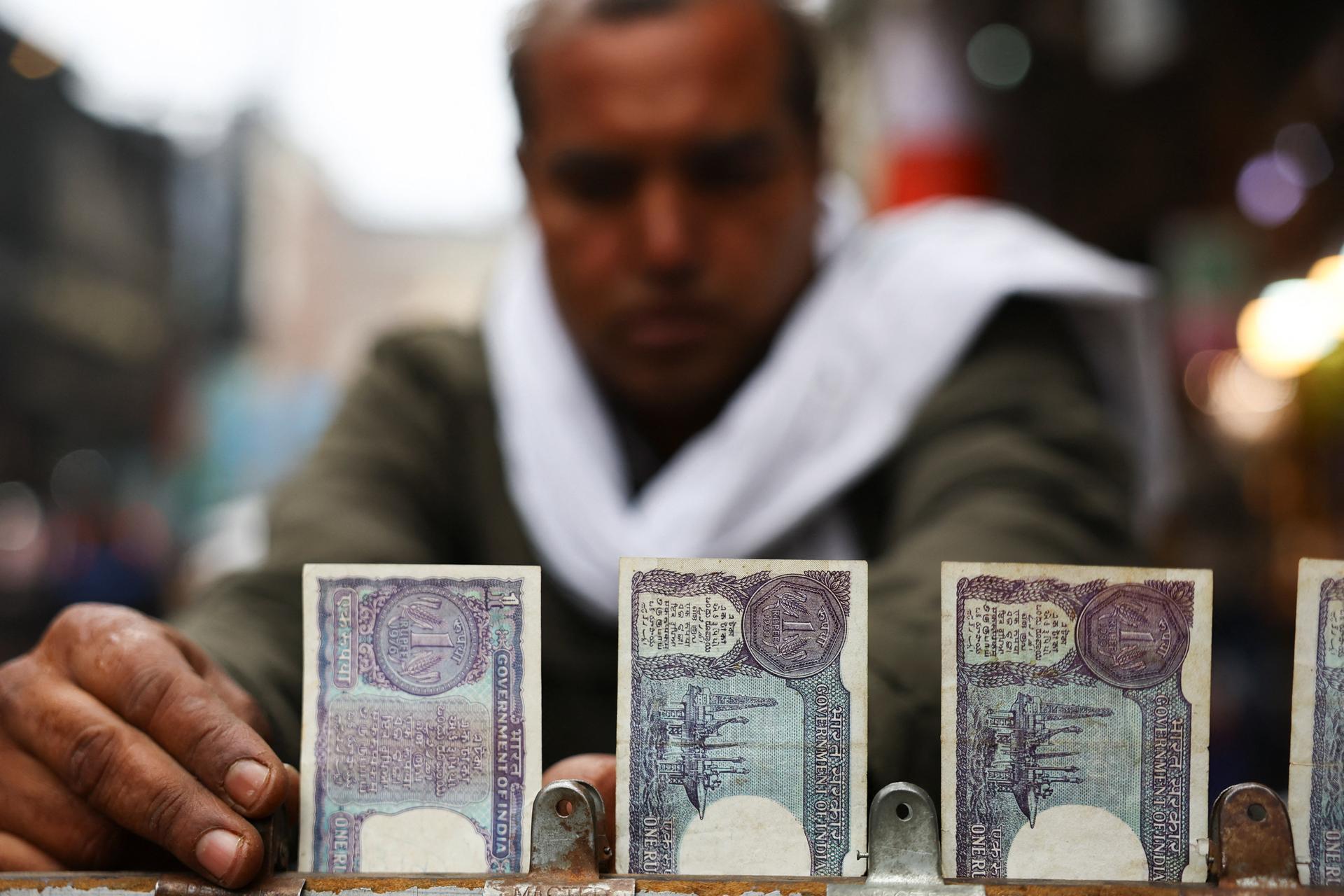
A man arranges notes of one rupee of Indian currency at a roadside currency exchange stall in the old quarters of Delhi, India, February 2, 2026. REUTERS/Anushree Fadnavis

India is officially encouraging work-from-home and carpooling, among other measures, to reduce its consumption of fuel, which is a precious commodity globally due to the oil scarcity created by the U.S.-Israeli war on Iran, now into its third month.

The underlying goal is to stem the rupee's decline, since the South Asian nation imports most of the oil it consumes.

Prime Minister Narendra Modi warned of tough decisions aimed at conserving oil, and dollars, in a speech over the weekend, similar to those taken by other South Asian nations.

"In the crisis we face today, we will also have to put a lot of emphasis on saving foreign exchange," Modi said at a political rally in Telangana, according to a video posted on X by news agency ANI.

"We will have to reduce the use of petrol and diesel," Modi said, urging citizens to use public transport. "By saving on fuel use, we can save foreign exchange," he said.

Modi also urged Indians to limit foreign travel, reduce gold purchases and urged farmers to curb use of chemical fertilisers, another large import item for the nation.

Since a foreign exchange crisis in 1991, through the Asian financial turmoil and the 2013 taper tantrum, India has built up dollar reserves, while strengthening its macro fundamentals by reducing inflation and improving government finances.

But with oil holding above $100 a barrel, India’s current account deficit is expected to widen to around 2% of GDP in the year to March 2027 from about 1% last year, largely on a higher oil import bill.

At the same time, dollar inflows have slowed, opening up what brokerage Nomura estimates could be a nearly $68 billion balance-of-payments gap.

That would mark a third straight year of deficits — unprecedented, according to Standard Chartered — and likely force policymakers to act on both sides: attracting dollars and curbing demand.

Options under consideration include a dollar deposit scheme for non-resident Indians and tax tweaks to draw in foreign debt investors, Reuters reported this week. Read here for details.

But such measures may prove costlier and less effective than in 2013, when near-zero U.S. rates made the trade more attractive.

Standard Chartered estimates the RBI may need to offer a roughly 2.75 percentage point subsidy over prevailing swap rates - implying a cost of about $800 million for every $10 billion raised.

Catch up on the possible ways India can save foreign exchange via this explainer.


Conserving dollars

Making it a two-pronged approach, India could also be looking to reduce dollars spent, particularly on oil and gold.

Gold shipments into India plummeted in April after unexpected tax demands and delays in authorising banks to import the metal, Reuters' Rajendra Jadhav reported. Analysts said it may have been aimed at deferring dollar outflows.

The central bank has also nudged oil companies to use a dollar credit line rather than buy in the spot market, a step which has only partially helped defer demand.

India, the world's third-biggest oil importer and consumer, has so far refrained from hiking fuel prices, but it's not clear how much further it can hold. Modi also has political leeway now that important state elections are out of the way. Raising prices could help by either reducing oil demand or by slowing the economy and the broader imports.

"Encouraging inflows is always a better option than restricting outflows but the former takes time to execute," said Madhavi Arora, chief economist at Mumbai-based Emkay Financial Services.

India, however, is not in a dire condition, said Arora, adding she does not expect any sharp restrictions on foreign outflows. The Prime Minister's comments were more an "emotional appeal", Arora said.


Market matters

India's largest private lender HDFC Bank has been under scrutiny since March, when its chairman abruptly resigned citing differences in personal ethics and values with the management.

Legal firms appointed to review Atanu Chakraborty's resignation letter will likely report no major governance concerns at the bank, Reuters' Gopika Gopakumar and Jayshree P. Upadhyay reported.

Read that exclusive report here.


This week's must-read

Soccer fans in India and China may not be able to watch the FIFA World Cup as organisers and broadcasters remain deadlocked on broadcast rights, Reuters' Aditya Kalra, Munsif Vengattil and Amlan Chakraborty reported.

The standoffs risk shutting nearly 3  billion potential viewers out, denting what is expected to be a blockbuster season for FIFA.