|
Hello!
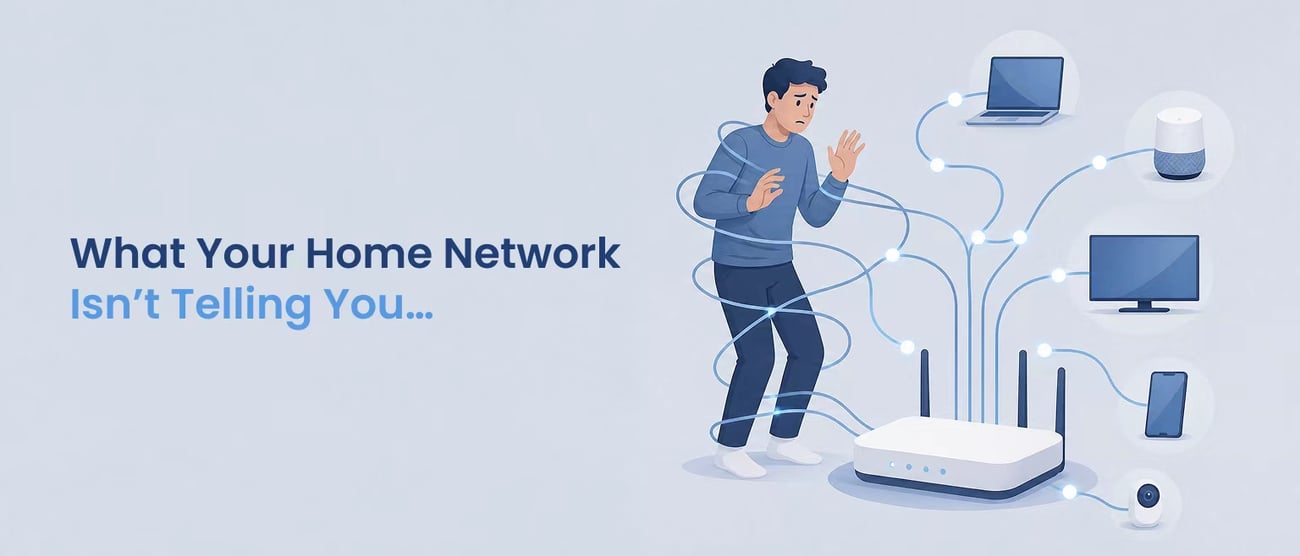
Most home networks are quiet. They connect devices, stream content, and just work.
But there’s more happening underneath.
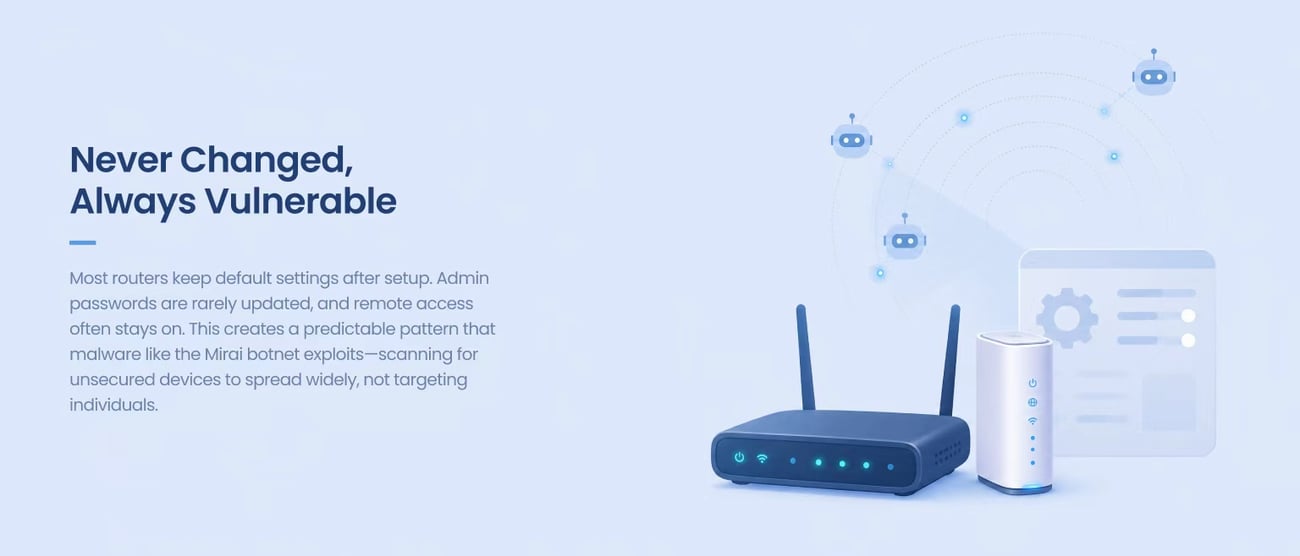
Most homes use ISP-provided routers designed for streamlining simplicity. The downside is limited visibility and control. Default settings often stay unchanged, making them easy targets for large-scale exploitation as happened with the Mirai botnet.
Updates are another weak point. Routers rarely prompt you to update, and delays can leave them exposed as seen in attacks like VPNFilter.
Inside the network, everything shares the same space. Phones, TVs, laptops, cameras, tablets, smart appliances. Easy setup but no real isolation and if one device is vulnerable or exposed, others can be affected easily.
Convenience features can also unwittingly create potential points of exposure. Auto-configured ports, for example, simplify setup and configuration but sometimes without users being made aware of the potential security risks.
And what about your traffic? It passes through multiple layers before reaching its destination. That’s normal, but it also creates opportunities for interception, as shown in the DNS Changer attack.
|