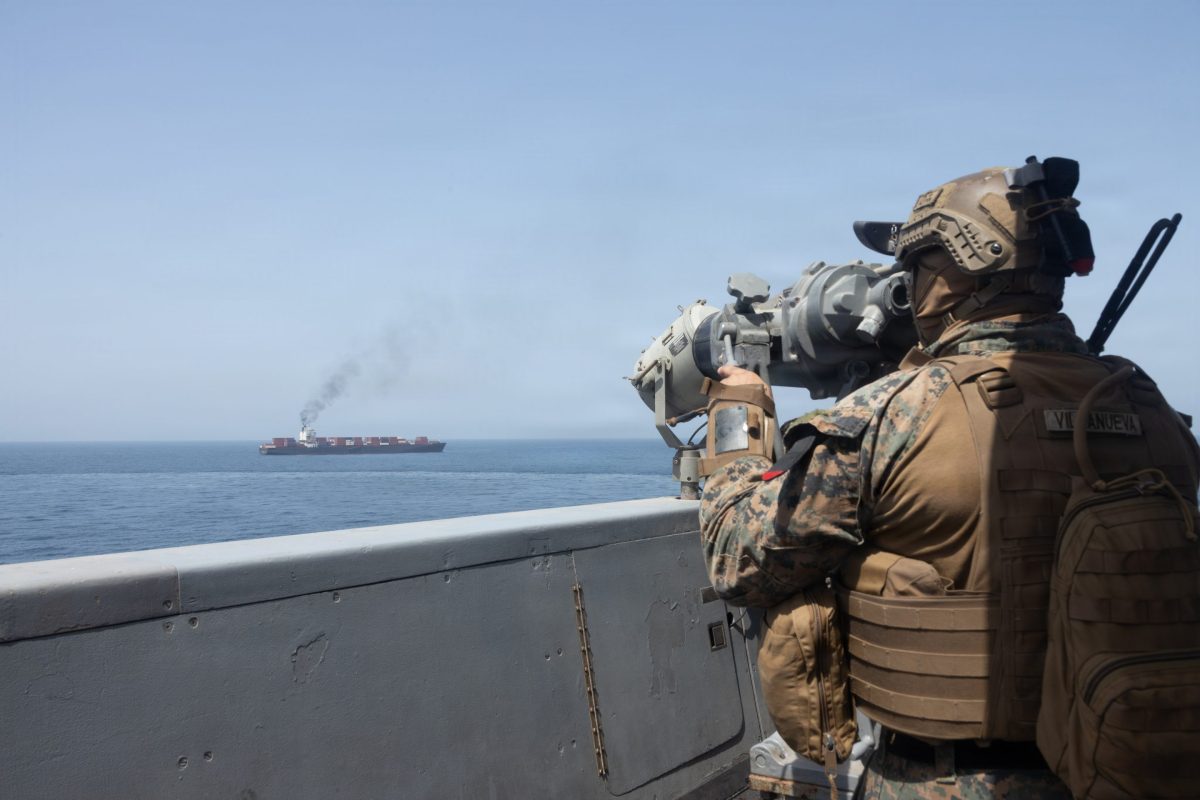
Plus: The Iran war has turned the world's shipping straits into a chessboard—and the U.S. aims to box out China.
 ͏  ͏  ͏  ͏  ͏  ͏  ͏  ͏  ͏  ͏  ͏  ͏  ͏  ͏  ͏  ͏  ͏  ͏  ͏  ͏  ͏  ͏  ͏  ͏  ͏  ͏  ͏  ͏  ͏  ͏  ͏  ͏  ͏  ͏  ͏  ͏  ͏  ͏  ͏  ͏  ͏  ͏  ͏  ͏  ͏  ͏  ͏  ͏  ͏  ͏  ͏  ͏  ͏  ͏  ͏  ͏  ͏  ͏  ͏  ͏  ͏  ͏  ͏  ͏  ͏  ͏  ͏  ͏  ͏  ͏  ͏  ͏  ͏  ͏  ͏  ͏  ͏  ͏  ͏  ͏  ͏  ͏  ͏  ͏  ͏  ͏  ͏  ͏  ͏  ͏  ͏  ͏  ͏  ͏  ͏  ͏  ͏  ͏  ͏  ͏  ͏  ͏  ͏  ͏  ͏  ͏  ͏  ͏  ͏  ͏  ͏  ͏  ͏  ͏  ͏  ͏  ͏  ͏  ͏  ͏  ͏  ͏  ͏  ͏  ͏  ͏  ͏  ͏  ͏  ͏  ͏  ͏  ͏  ͏  ͏  ͏  ͏  ͏ ­ ­ ­ ­ ­ ­ ­ ­ ­ ­ ­ ­ ­ ­ ­ ­ ­ ­ ­ ­ ­ ­ ­ ­ ­ ­ ­ ­ ­ ­ ­ ­ ­ ­ ­ ­ ­ ­ ­ ­ ­ ­ ­ ­ ­ ­ ­ ­ ­ ­ ­ ­ ­ ­ ­ ­ ­ ­ ­ ­ ­ ­ ­ ­ ­ ­ ­ ­ ­ ­ ­ ­ ­ ­ ­ ­ ­ ­ ­ ­ ­ ­ ­ ­ ­ ­ ­ ­ ­ ­ ­ ­ ­ ­ ­ ­ ­ ­ ­ ­ ­ ­ ­ ­ ­ ­ ­ ­ ­ ­ ­ ­ ­ ­ ­ ­ ­ ­ ­ ­ ­ ­ ­ ­ ­ ­ ­ ­ ­ ­ ­ ­ ­ ­ ­ ­ ­ ­  
Fortune 500 Digest with Alyson Shontell
Saturday, May 2, 2026
Foreword
Alyson Shontell
Editor-in-Chief

Quick note: Subscribe to the forthcoming Fortune Gulf Brief. Every Tuesday, this new newsletter will deliver clear-eyed, authoritative intelligence on the deals, decisions, policies, and power shifts shaping one of the world’s most consequential regions, written for the people who need to act on it. Sign up here.

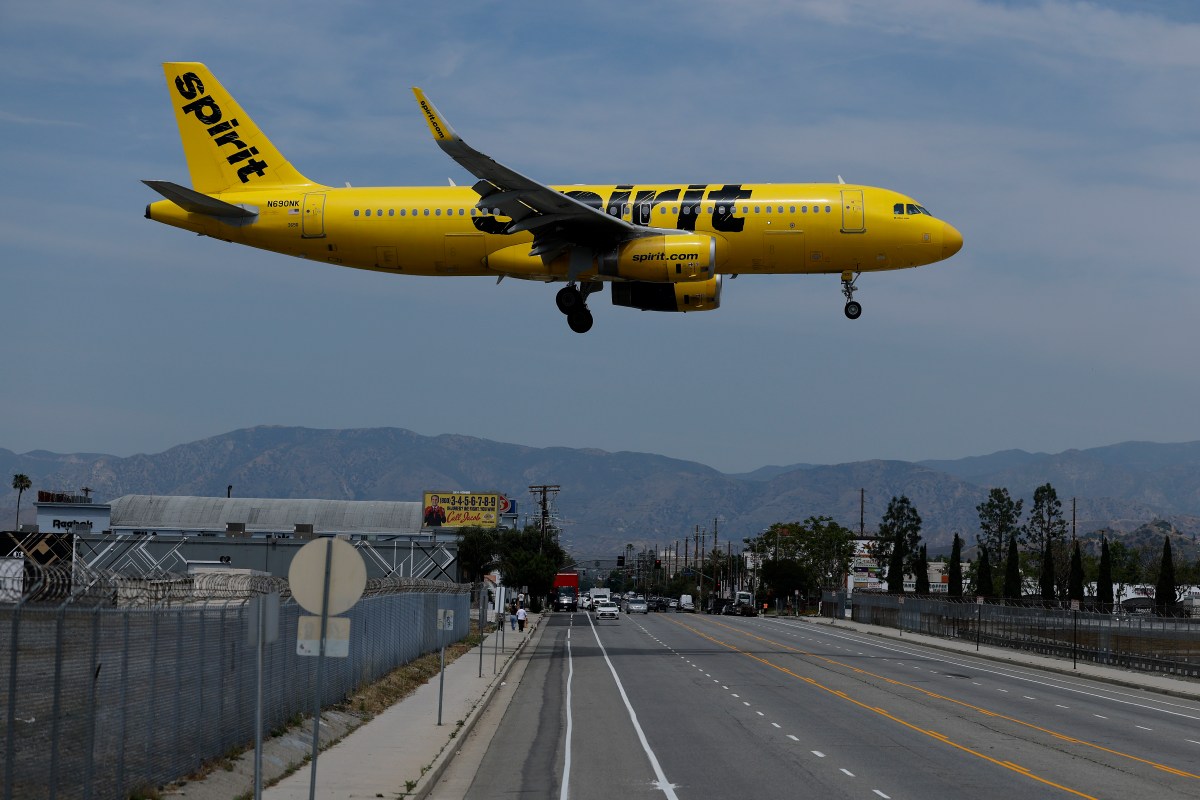
It’s the end of the road for America’s hard-luck discount flyer, Spirit Airlines. Overnight, the airline canceled all flights, effective immediately, and posted at the top of its website, “Spirit Is Winding Down All Operations.”

A few weeks ago, President Trump floated the idea of a Hail Mary bailout/equity investment from the U.S. government—reportedly a $500 million loan package—to potentially keep Spirit (No. 681 on the 2025 Fortune 1000) afloat. But reports on Friday suggested the rescue deal had collapsed, with government officials and bondholders unable to agree on terms.

Spirit, which formed in the 1990s and employs over 10,000 people, has spent much of its recent life cycling through Chapter 11—last August, it filed for bankruptcy for the second time in less than two years. Fortune’s Shawn Tully wrote this week about how its business model collapsed.

After thriving in the 2010s with low-cost, low-expectations flying (who needs reclining seats? Sure, I’ll pay extra for a Diet Coke!), the airline made some expensive bets ahead of COVID—sinking more than $10 billion into new Airbus A320neo aircraft and a 500,000-square-foot Florida headquarters—only to get pounded by the pandemic. Spirit tried to scale up, to no avail. It announced a merger with rival Frontier (No. 808 on the 2025 Fortune 1000) in 2022, only for JetBlue (No. 434) to swoop in with a $3.7 billion acquisition offer. A federal court blocked the JetBlue deal in early 2024, leaving Spirit adrift.

But the final nail in the coffin has been a jet fuel spike tied to the Iran-U.S. conflict. Spirit had been anticipating fuel costs of about $2.20 a gallon for this year, according to its bankruptcy reorg plan; thanks to the war, it currently costs about $4.20 a gallon. A J.P. Morgan analysis estimates that’s adding around $360 million in operating costs—about the size of Spirit’s entire cash cushion.

Spirit’s decline is also a reminder to all businesses that losing a clear brand value for customers—or never having one in the first place—is a recipe for disaster. Shawn writes that Spirit tried, after emerging from its first bankruptcy in March 2025, to move upmarket into “JetBlue territory” while also shrinking its fleet to about 76 planes, offering perks like free Wi-Fi and premium cabins, and refocusing on core markets in Florida, New York, and Detroit. But bigger brands like Delta (No. 70) and United (No. 74) had already rolled out low-cost economy options of their own—and paired them with better customer service and stronger loyalty programs. In the end, there was nothing left that Spirit could offer better than its more-liked rivals.

Read Shawn’s story on what went wrong at Spirit Airlines.

Follow Alyson on X, LinkedIn, TikTok, Instagram, and the Titans and Disruptors vodcast.

Catch Up
Advertisement
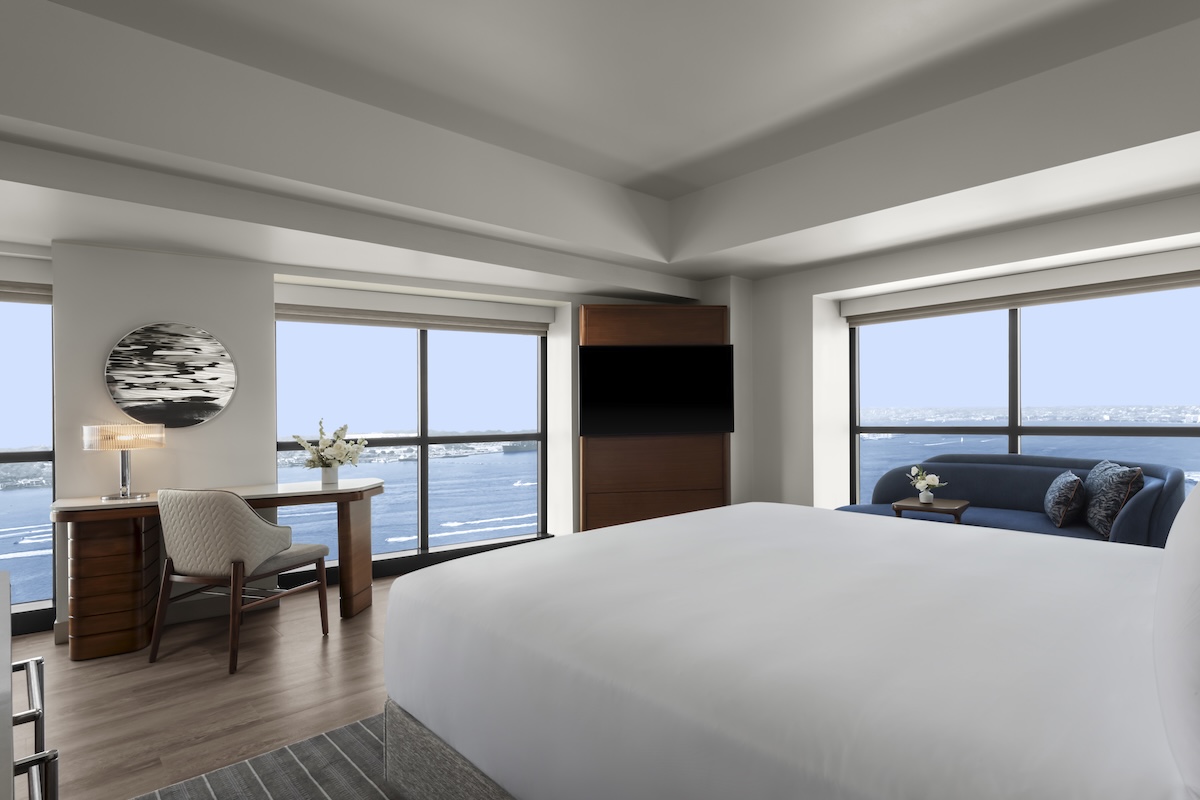
Manchester Grand Hyatt San Diego
Set directly on San Diego Bay, Manchester Grand Hyatt San Diego is an iconic waterfront hotel that blends a resort-like atmosphere with a downtown setting. Positioned between the Gaslamp Quarter and Little Italy, the hotel puts San Diego's best dining, nightlife, and cultural attractions right at your doorstep. On Saturdays, wander through Little Italy's bustling farmers' market for fresh produce, then venture to Balboa Park to explore its 18 museums and galleries, including the San Diego Museum of Art. When you're ready for sand and surf, drive out to Ocean Beach to watch the surfers, visit the coffee shops and wellness studios, and soak up the easygoing vibe the locals know best.
Book now
Fortune 500 C-suite Power Moves
Booz Allen Hamilton Holding (No. 398) appointed Troy Lahr EVP and CFO, effective May 4. Deere (No. 89) appointed Brent Norwood SVP and CFO. Occidental Petroleum (No. 159) appointed Richard Jackson President and CEO, effective June 1. PPG Industries (No. 234) appointed Jamie A. Beggs SVP and CFO, effective July 6.
And more in this week's Fortune 500 Power Moves.
Deals & Developments
  • OpenAI restructured its partnership with Microsoft (No. 14), gaining the ability to sell its models across all cloud platforms, not just Microsoft’s Azure platform. Under the new terms, Microsoft will continue to hold a license to OpenAI’s intellectual property through 2032 and receive a guaranteed 20% of OpenAI’s revenue through 2030 (capped at an undisclosed amount), among other benefits.
  • China blocked Meta Platforms’ (No. 22) approximately $2 billion acquisition of Manus, a Singapore-based agentic AI startup founded in China, on national security grounds.
  • United Airlines (No. 74) is shelving its pursuit of a merger with American Airlines (No. 81) "for the foreseeable future," per CEO Scott Kirby. He acknowledged he couldn’t bring American to the table despite his belief that a combined airline would better serve customers.
  • Uber Technologies (No. 101) struck a deal with Expedia Group (No. 312) that will allow users to book hotels directly through the Uber app.
  • Union Pacific (No. 177) and Norfolk Southern (No. 346) have refiled a merger proposal for Union Pacific to acquire Norfolk Southern for $85 billion, creating a freight giant the railroads say would have a 39% market share. The Surface Transportation Board rejected their previous bid in January, citing an incomplete filing.
  • GameStop (No. 799 on the Fortune 1000) is preparing to make an offer for Ebay (No. 411) potentially as soon as later this month, the Wall Street Journal reported Friday evening. Ryan Cohen, GameStop’s CEO, reportedly has been pursuing various consumer and retail acquisition targets to help broaden the company’s scope and increase its market value, motivated in part by an incentive of additional stock compensation if he hits certain marks. Read more: Ebay soars on report that GameStop is preparing a takeover bid
Overheard
“So many applications are getting done with AI and agents…Everything is going to be remade.”
—AWS chief executive Matt Garman told Fortune there’s a “huge business opportunity” for the company in the software-as-a-service business in the age of AI. The company is rolling out several products and showed them off in San Francisco this week.
On earnings calls:
  • Amazon beat expectations with $181.52 billion in quarterly revenue, with cloud division revenue up 28% year over year. The company projected capital expenditures will reach $200 billion for the full fiscal year as a result of AI investments.
  • Apple (No. 4) beat expectations with $111.2 billion in revenue, up 17% year over year with significant growth in iPhone sales (though still under estimates) and Apple Services revenue. It was the first earnings call since John Ternus, a hardware veteran at the company, was announced as Apple’s next CEO, effective in September.
  • Alphabet (No. 7) beat expectations with $109.9 billion in quarterly revenue, driven in part by a 63% year-over-year surge in its cloud business to $20 billion, which now makes up 18% of the company’s total revenue.
  • Exxon Mobil (No. 8) and Chevron (No. 16) beat on earnings despite plunging profits. Exxon Mobil CEO Darren Woods said he sees “more to come” on price spikes from the Iran war.
  • Microsoft (No. 14) beat expectations with $82.89 billion in quarterly revenue, including a 40% jump in cloud (Azure) revenue. The company projected $190 billion in capital expenditures for the year, up 61% from last year.
  • Meta Platforms (No. 22) beat expectations with $56.31 billion in quarterly revenue, up 33% year over year. The company raised its full-year capital expenditure outlook by $10 billion,