|
This edition is sponsored by Cru |
|
In a note left by the suspected gunman in Saturday’s attack on Trump officials, Cole Tomas Allen sought to justify his actions to Christians and thanked his church. |
|
A book review on Ian Shapiro’s After the Fall examines why the collapse of communism in Eastern Europe didn’t lead to a global democratic triumph. |
|
An excerpt of Capable by Sissy Goff and David Thomas discusses what makes a child capable of facing life’s many challenges. |
|
From CT national political correspondent Harvest Prude: While discussing with my editor, Andy Olsen, about whether to cover the attempted assassination at the White House Correspondents Association dinner, what cinched our plan was finding out that the suspect, Cole Tomas Allen, had been a member of a Christian fellowship while at college. From there, I went on a hunt to figure out as much as I could about his ties to the faith. |
|
Reporting stories (and particularly ones of a tragic nature) in a short time period means accepting that cold calls and voicemails are often not returned and that plenty of emails may also bounce or go unanswered. I experienced both when reaching out to a local church that the Allen family was connected to, as well as the Christian fellowship, in hopes someone would be able to shed light on the faith angle. Still, the picture of a man who had some level of connection to Christianity emerged as I sorted through since-deleted social media posts, his LinkedIn profile, and ultimately his own writings. |
|
In the end, the most striking information I found about Cole’s faith came from the manifesto he left behind, where he referenced Scripture to justify his attempt at violence. Part of a journalist’s job is coming to terms with reporting out a story even when there are still many unknowns and initial reports that only scratch the surface. |
|
Help your church live out their faith this summer with Victory Beyond the Cup. This free Pastor Kit integrates seamlessly into what you’re already doing—offering ready-to-use sermon outlines, discussion guides, and practical tools to move your church from inspiration to action. |
|
Step into a simple way to mobilize your congregation during the World Cup this summer. Download your free kit! |
|
 |
|
| FROM CHRISTIANITY TODAY |
|
|
No matter who you are celebrating this spring–a new graduate, your mother, your father–or if you are just looking for a little bit of renewal and new life for yourself, we have a book for you.
|
|
|
|
|
|
|
|
Today in Christian History |
|
April 28, 1789: In the South Pacific, a band of hedonistic sailors stages the famous mutiny on the Bounty. The mutineers then sailed to uninhabited Pitcairn Island, where they soon fell into drinking and fighting. Only one man and several women (taken earlier as slaves) and children survived. The man, Alexander Smith, discovered the ship’s neglected Bible, repented, and transformed the community. The Bible is still on display in a Pitcairn church. |
|
|
|
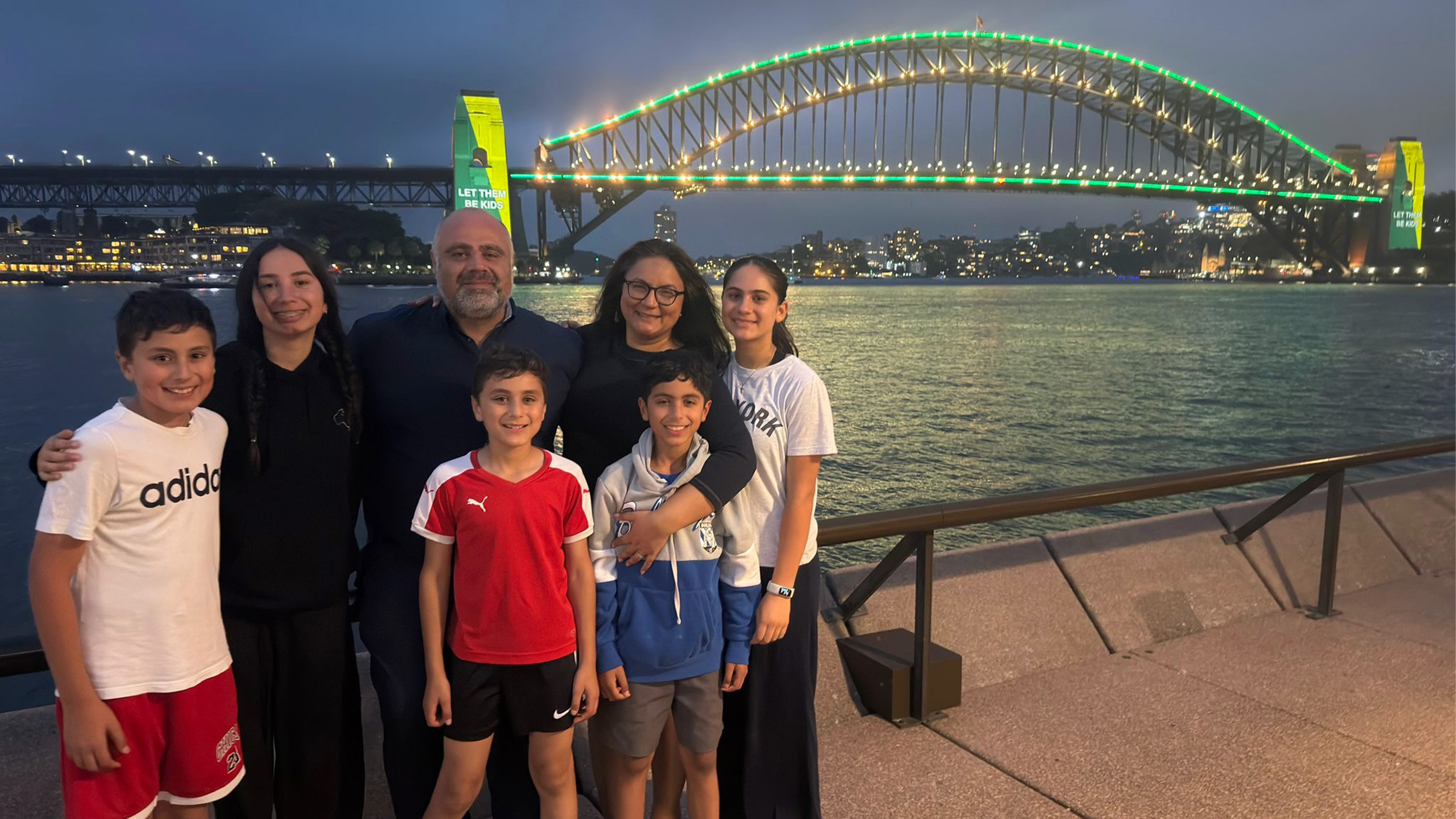
Dany Elachi recently drove to his local bike repair shop in Sydney, Australia, hoping for a quick fix. At Christmas, he and his wife, Cynthia, gave bikes to the three…
|
|
|
|
|
The recent retraction of a British Bible Society report on a supposed "quiet revival" among young adults felt like a gut punch. While some had long been skeptical of the data, others…
|
|
|
|
I still remember what it was like, as a senior in college, to hear the dreaded question: "What’s next?" Plenty of my friends had good answers. I didn’t. I was…
|
|
|
|
|
In the early hours of March 24, Sunday Bobai Agang was in bed in his home in Jos, the capital of Nigeria’s Plateau state, when four men broke into his…
|
|
|
|
|
|
|
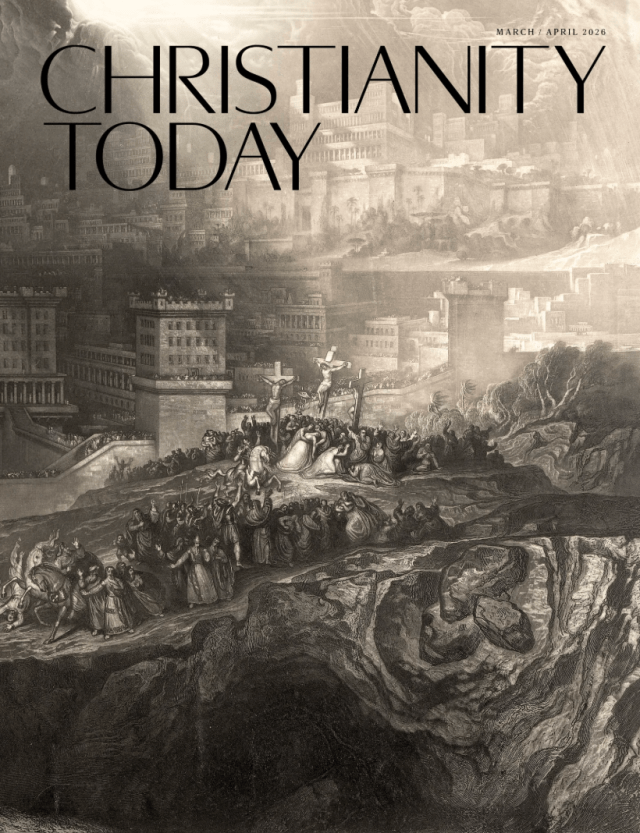
In this issue of Christianity Today and in this season of the Christian year, we explore the bookends of life: birth and death. You’ll read Karen Swallow Prior’s essay on childlessness and Kara Bettis Carvalho’s overview of reproductive technologies. Haleluya Hadero reports on artificially intelligent griefbots, and Kristy Etheridge discusses physician-assisted suicide. There is much work to be done to promote life. We talk with Fleming Rutledge about the Crucifixion, knowing that while suffering lasts for a season, Jesus has triumphed over death through his death. This Lenten and Easter season, may these words be a companion as you consider how you might bring life in the spaces you inhabit. |
|
Get the most recent headlines and stories from Christianity Today delivered to your inbox daily. |
|
Delivered free via email to subscribers daily. | | | |