A fresh take on culture, fashion, cities and the way we live – from the desks of Monocle’s editors and bureaux chiefs.
|
Saturday 25/4/26
|

|
|
London
Paris
Zürich
Milan
Bangkok
Tokyo
Toronto
|
|
|
|

Making good time
Our first pop-up shop and café in Shanghai opened today at the Jing An Kerry Centre. Enjoy coffee and a bite to eat in a space designed for reading, shopping and lingering, created in partnership with Switzerland’s USM and Shanghai-based Stellar Works. Whether you’re stopping by for a flat white or looking for a gift to take home, do come say hello.
This week’s dispatch starts at Muzeu Braga, Portugal’s newest art museum.Then we’re off for a spot of shopping at Tribeca’s La Garçonne and we step up our plans to purchase a piece of the Eiffel Tower. Plus: we uncover the grass roots beneath Vancouver’s World Cup debut and the Monocle Concierge gives us a glimpse into Venetian glamour. Taking first watch is our editor in chief, Andrew Tuck.
|
|
Some watches mark the hours and seconds, others make up for lost time
By Andrew Tuck
|

|
The new May issue of Monocle features our first-ever cover dedicated to watches. I am not sure why it has taken us 20 years but some things take time – slow, mechanical time.
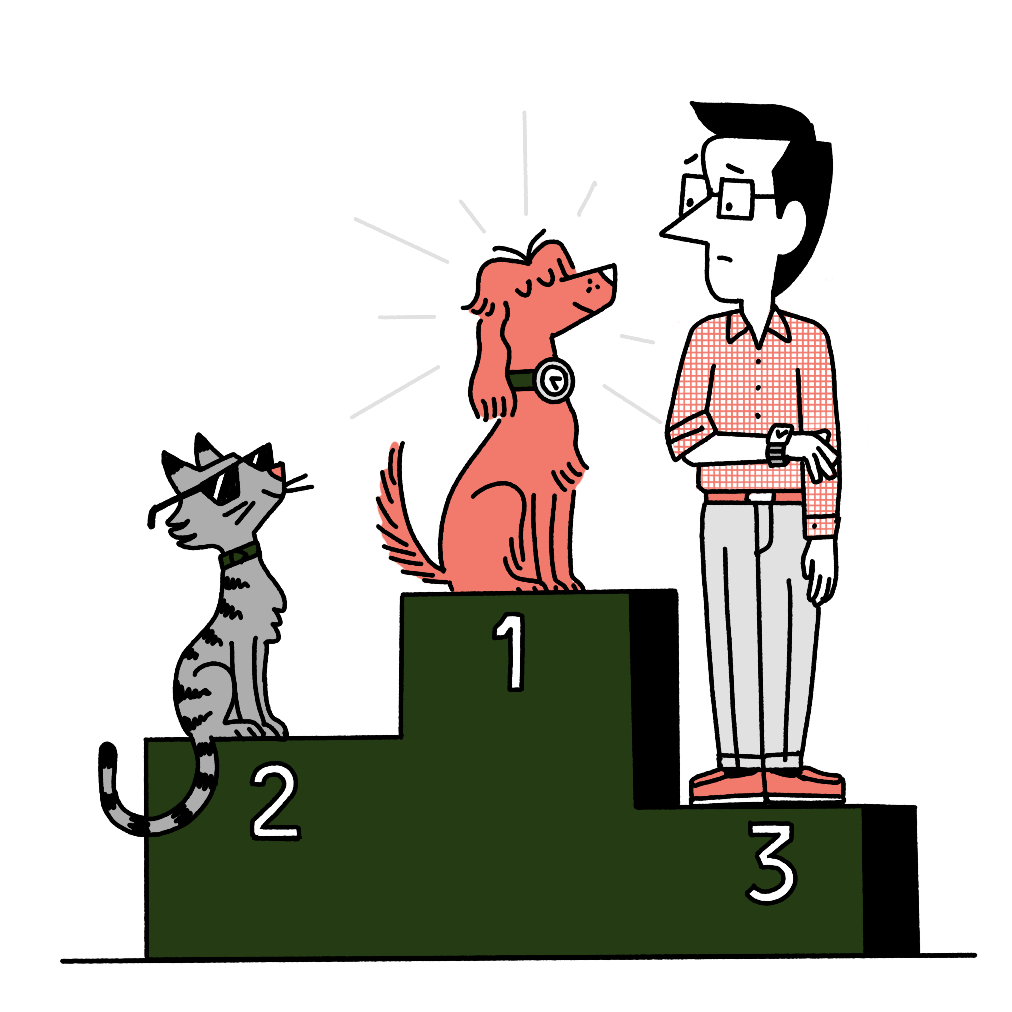
Inside the issue – and on the cover – there’s a very cute shoot of handsome hounds being stroked by elegant watch-strapped hands. We’ve called the story “Watch Dogs” and it’s superb. It’s all the idea of our creative director, Richard Spencer Powell, and it’s so good that now he’s kind of screwed. Where, you wonder, can he go after nice pooches and glorious timepieces all shot by Jess Bonham, plus a very amusing headline? All week he has been suggesting that we should photograph sunglasses on cats and call the story “Cats’ Eyes”. But it was when he proffered that we do “hamsters in hats” that I told him to have the afternoon off.
Also in the issue is an idea of mine. I know, I still have them. It’s a simple story in which writers, designers, chefs, diplomats and divers tell the tale behind a watch that they wear. Creative Yorgo Tloupas was commissioned by the Greek prime minister to design the special edition Swatch that he sometimes sports (he has a lot of watches). Photographer Christopher Anderson bought his Omega Speedmaster because he was perhaps a little jealous of the one that his assistant had – but in the decades since it has become part of his work and also a constant reminder about the value of time.
|
I have two nice watches. I will tell you about the first one. My parents had me late in life: my dad was hitting 50, my mum in her mid-forties. They had already raised a large family when I came along. This was not what they had planned. But they rolled with it. Yet, even as a child I could do the maths – unless they lived well into their eighties, I would be parentless in my thirties. I always liked my parents; there was no teenage tension with them. We made the most of things. But as the child predicted, in my thirties my dad died. My mum stayed until I was 44.
The will was modest but there was a sum of money and rather than take a chip out of the mortgage, I decided to buy a watch as a way of keeping them both close, of acknowledging the passing of time. Today the click of the metal bracelet on my wrist sets me up for the day. The watch’s weight, its sauntering second hand, the way the green dial winks and glints as it catches candlelight, all bind me to a time and a place and to two people who set me on a pretty good path (even if they did head off a bit too soon).
Yet the other good thing about a watch is that it also knows how to let you get on with your day. It’s not a flashing digital display demanding your attention or the awful death march of time that emanates from a ticking antique clock. It’s just there when you need it, marking the seconds, counting the hours and quietly adding meaning to your day.
To read more from Andrew Tuck, click here.
|
|
culture cuts: Muzeu Braga, Portugal
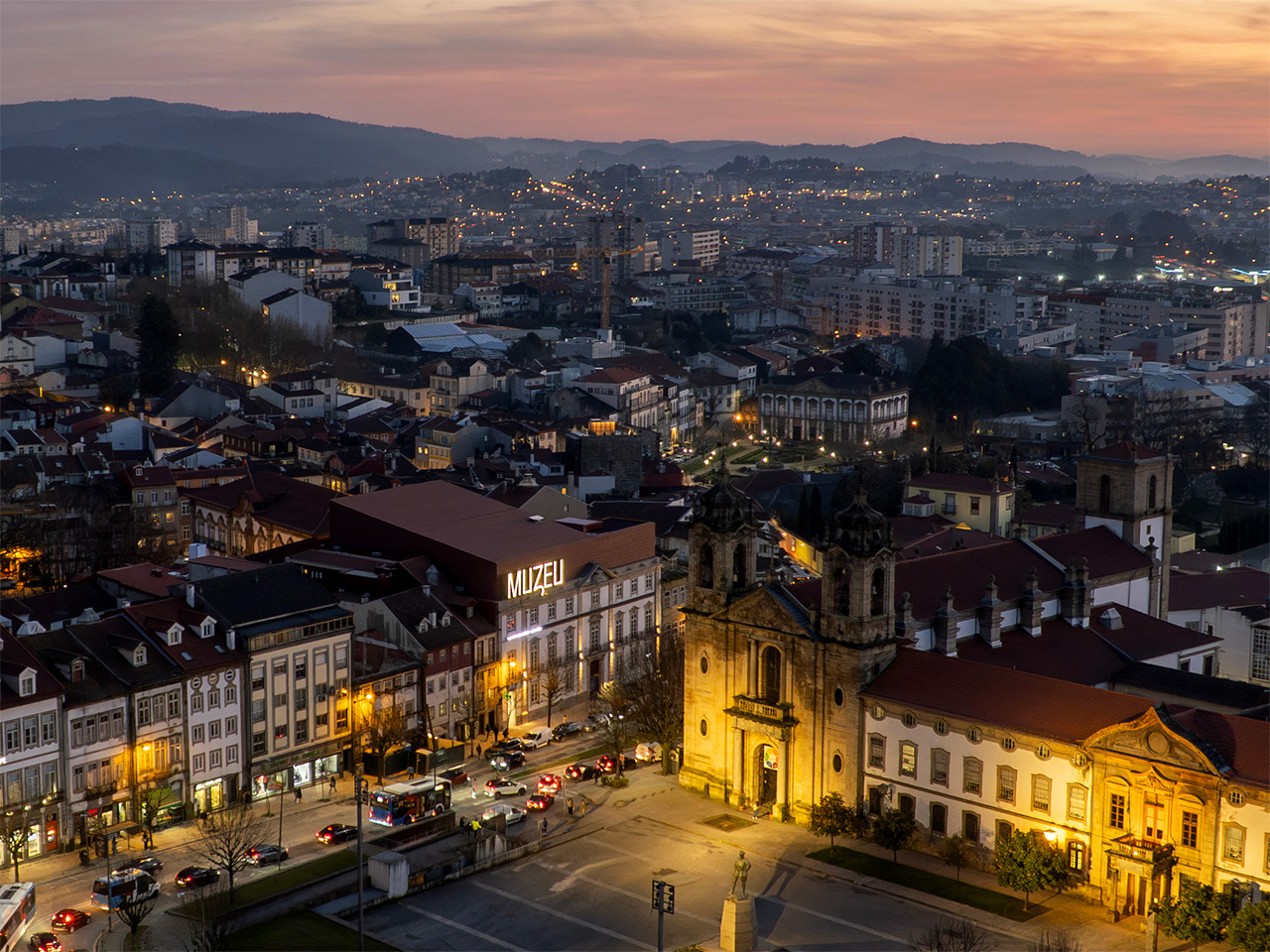
Muzeu Braga, Portugal’s newest art museum bridging art and critical thought
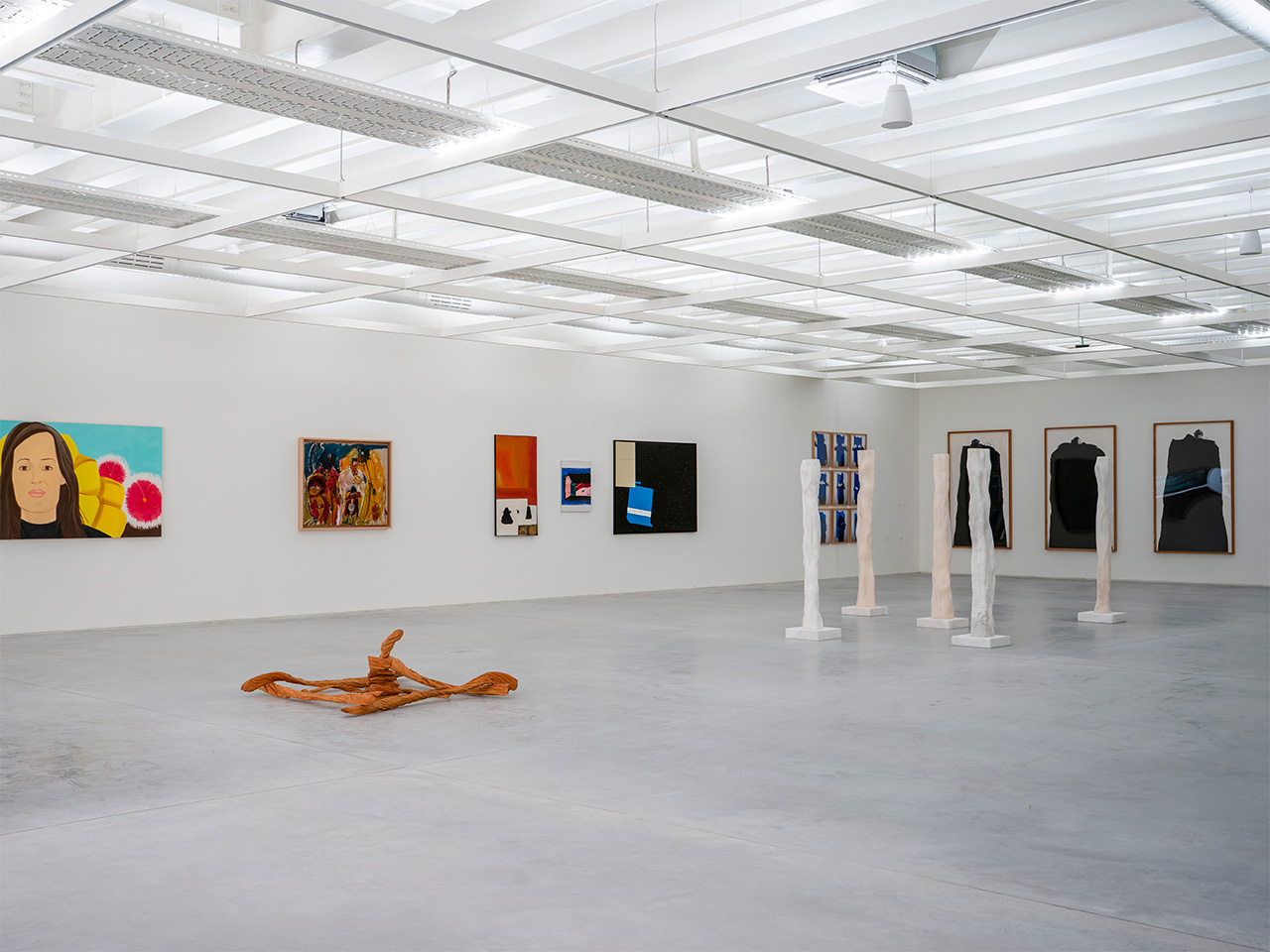
At Portuguese construction and engineering group DST’s sprawling hub in the northern city of Braga, a landscape of factories and warehouses is punctuated by site-specific artworks by the likes of Pedro Cabrita Reis and Miguel Palma (writes Gaia Lutz). Workers in hi-vis vests and heavy trucks move through the grounds, which also host open-air poetry readings, theatre performances and philosophy classes. It is an unusual convergence of worlds: the hardy, industrial reality of construction and the ethereal, utopian terrain of art and ideas. Yet DST’s CEO, José Teixeira, has placed culture at the centre of the business that his father founded in the 1940s – first as a quarry and today comprising more than 60 companies, from telecommunications to renewables, and about 4,000 employees worldwide.
|
|
“Architecture, art, philosophy and the search for beauty play an instrumental role in the products companies create,” says Teixeira, who has amassed one of the country’s most significant private art collections and moves seamlessly between speaking about prefabricated homes and quoting Susan Sontag. Now, Teixeira is extending his ambition beyond the company grounds with the opening of Muzeu, a contemporary-art museum in Braga’s historic centre.
Take a look around and read more here.
|
|
RETAIL UPDATE: La Garçonne, New York
Curated retail is alive and well in New York’s La Garçonne boutique
For Monocle’s new May issue, we meet the creative forces behind three multi-brand retailers that are making it work in a world that increasingly favours homogenised shops. Here we catch up with the team behind Tribeca’s La Garçonne.
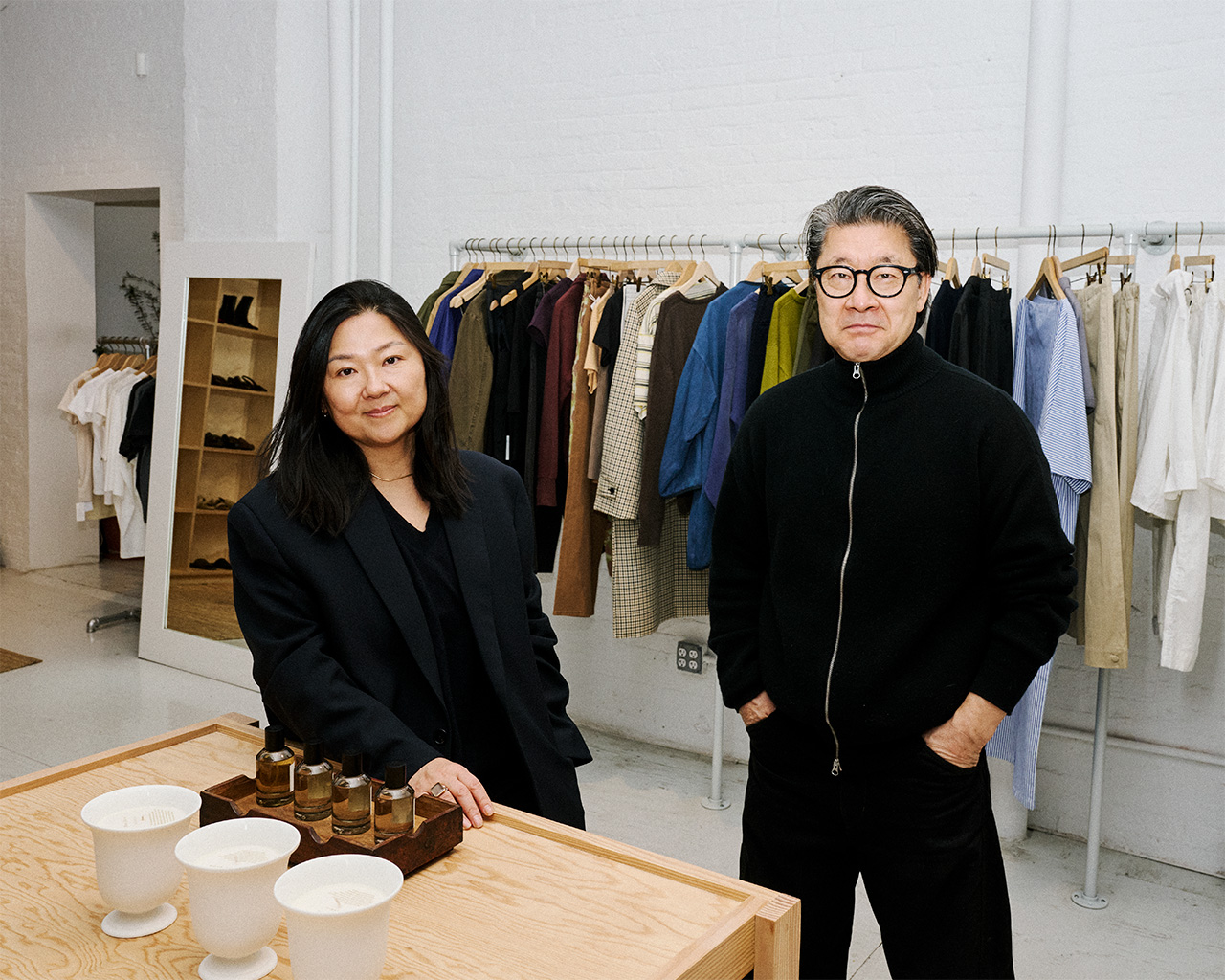
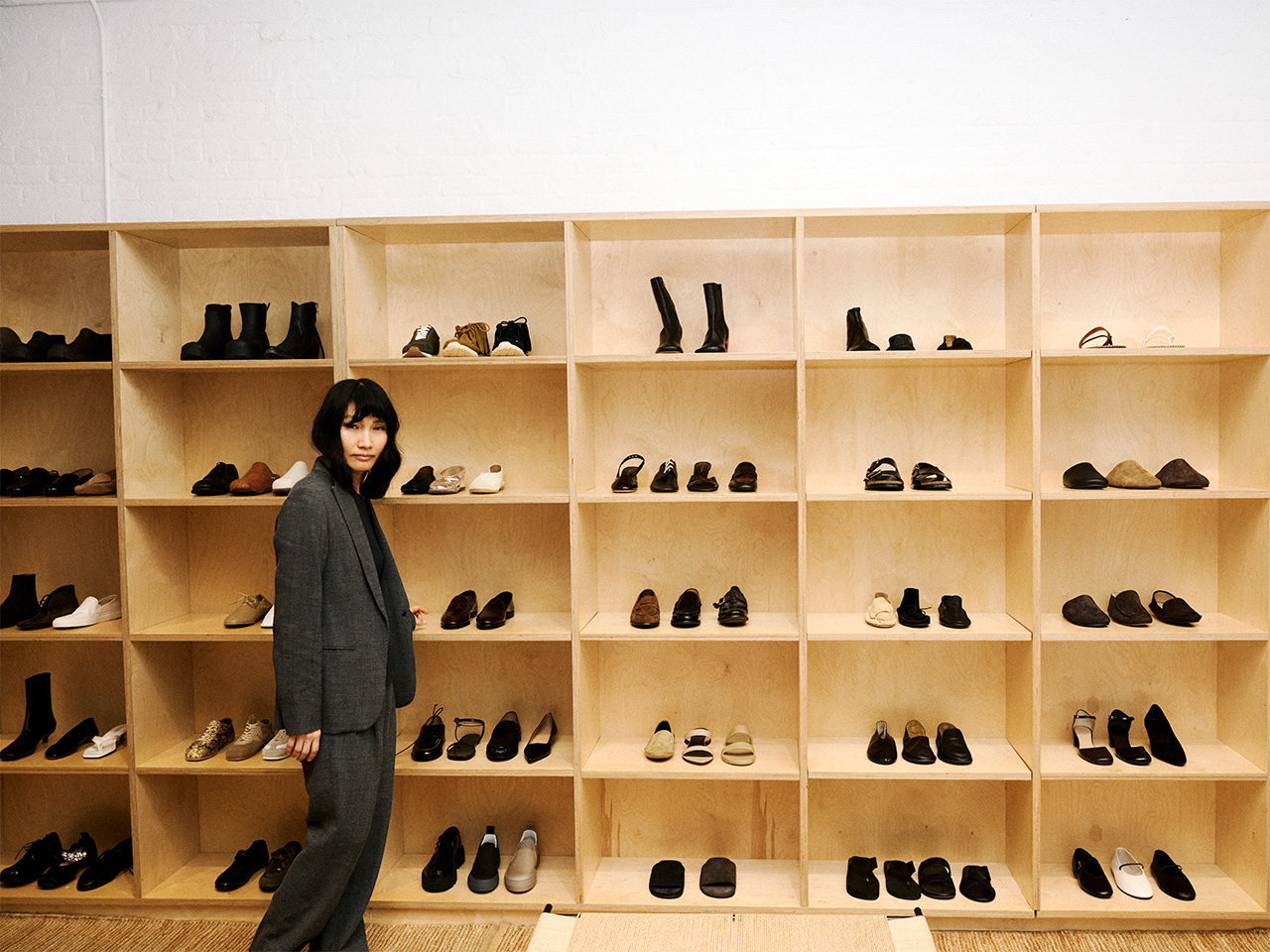
La Garçonne is nestled in Tribeca’s quiet Greenwich Street (writes Natalie Theodosi). There’s barely any signage or products displayed in the windows, yet over the past decade the multi-brand boutique has become an essential stop for shoppers looking for collectable pieces. New Yorkers, who know the shop staff by name, drop by almost weekly, while those passing through the city make the trip to Tribeca to immerse themselves in co-founder Kris Kim’s elegant world – an all-white space with soft lighting and customised wooden cabinetry filled with clothing and accessories by houses including Dries Van Noten and The Row, as well as independents such as Tokyo-based Minä Perhonen or Tyrolean label Bergfabel.
|
|
“We have a pretty wide selection of The Row but it’s our interpretation – you’ll never find very dressy pieces,” says Kim. “I like to stay with brands, even as the market changes. Lemaire is another mainstay for us; I remember having appointments with Christophe [Lemaire] when he was on his own in a tiny showroom. Sometimes it’s just about finding practical pieces customers need; at other times it’s about discovery and giving them something to think about.”
lagarconne.com
To learn more about Kim’s vision for La Garçonne and two more exceptional multi-brand boutiques, click here.
|
|
what am i bid? Eiffel Tower
Step right up: Take the stairs to Paris from the comfort of your own home
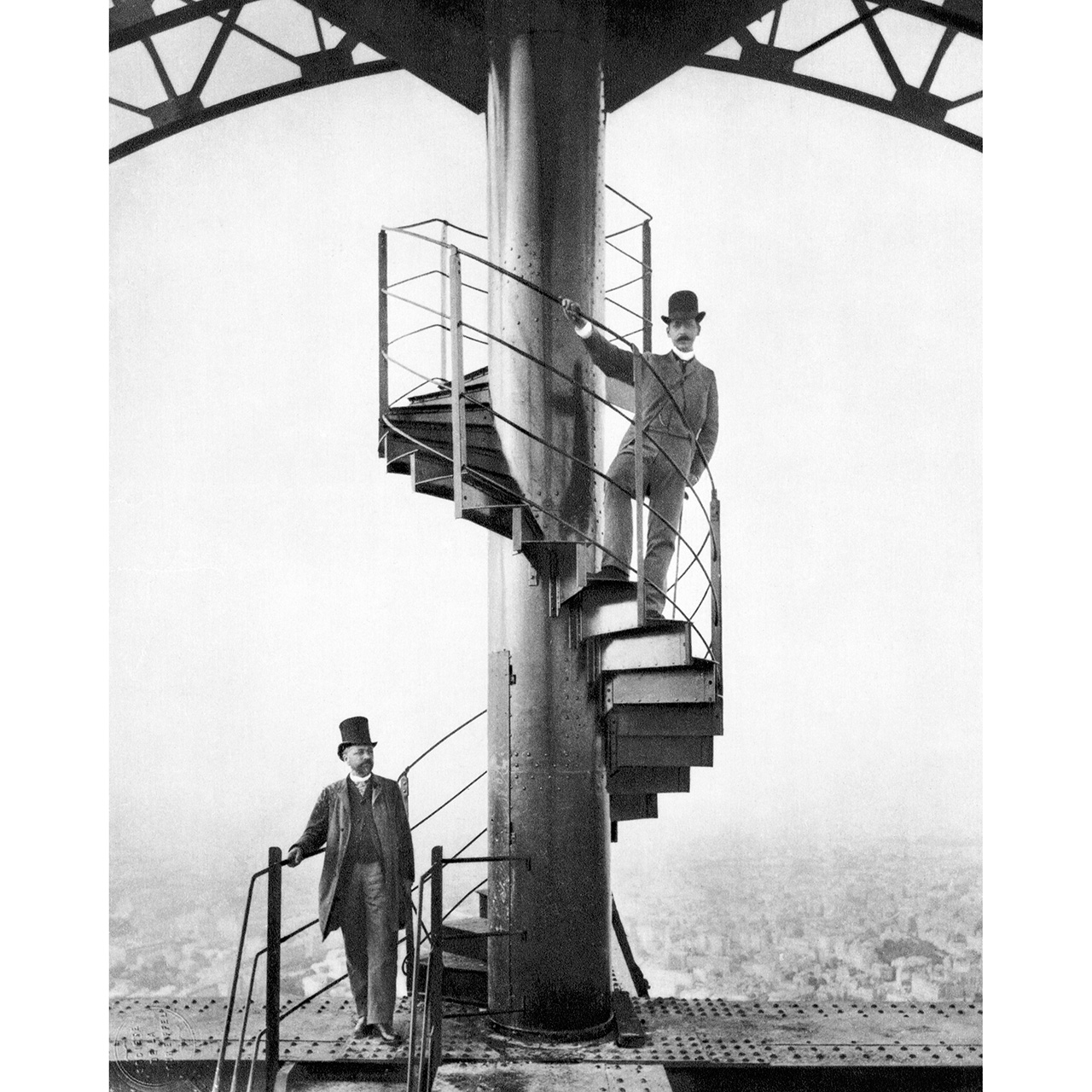
More than six million people ascend the Eiffel Tower every year – an activity that is easily marred by expense, crowds and fog (writes Sophie Monaghan-Coombs). But if you want to recreate part of the experience (14 steps’ worth, to be exact), you’ll soon have the chance. Next month, a section of the original Eiffel Tower spiral staircase from 1889 will go under the hammer at Parisian auction house Artcurial.
These steps, designed under the supervision of Gustave Eiffel, originally helped to connect the second and third floors of La Dame de Fer. The 2.75-metre tall structure is expected to fetch up to €150,000 and can be installed as working stairs or – if you’re feeling avant garde – can act as a grand surrealist steel sculpture. “The buyer will bring a symbolic piece of Paris into their home,” says Sabrina Dolla, an associate director in Artcurial’s design department. “It’s like a journey through time and space.”
artcurial.com
|
|
HOW WE LIVE: How to grow a World Cup pitch
The grass is about to get greener in Vancouver with World Cup 2026
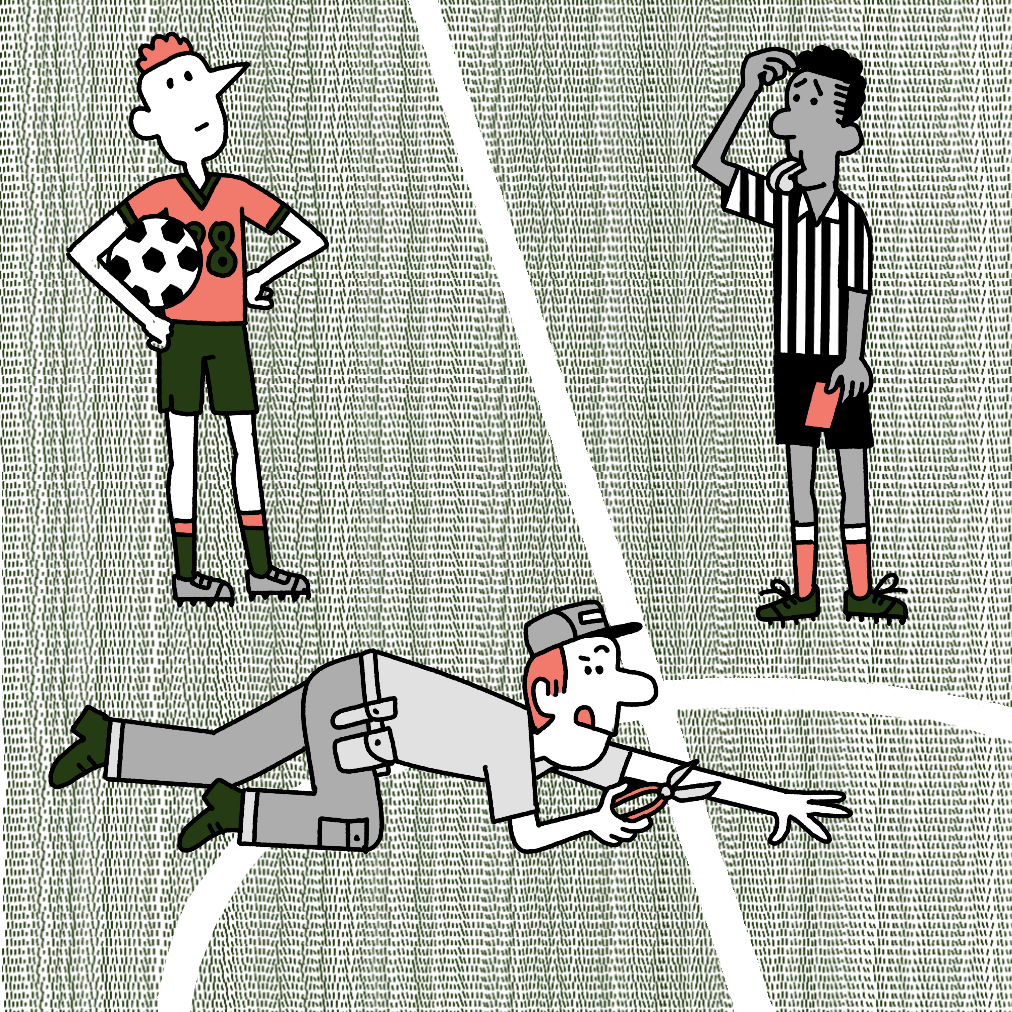
It’s safe to say that Bert Bos, a sod farmer in British Columbia, would rather be watching grass grow than doing whatever you have planned this weekend (writes Tomos Lewis). That is because, in fewer than 50 days’ time, the turf that has been growing since last June at his family’s farm in a verdant valley an hour-or-so inland from Vancouver will have been rolled out at BC Place. After a full year of meticulous cultivation, the city’s World Cup stadium will be ready for players from the likes of Australia, Belgium, Egypt, New Zealand, Qatar and, indeed, Canada, who will all recast it as the field of their respective dreams.
“The pitch is the thing,” BC Place’s general manager, Chris May, told a reporter from the Vancouver Sun newspaper last weekend, noting how exacting a customer Fifa is when it comes to its World Cup pitches. But much like Fifa’s choice of honoree for its inaugural prize for peace, being bestowed with the top job in World Cup grass-growing was something of a surprise.
|
Bos and his three adult children (also sod-farmers in the family firm) hadn’t even submitted a proposal to Vancouver’s call for World Cup turf growers. Despite his sod-sowing pedigree, Bos was nervous about the high-pressure prospect of producing a perfect pitch. But before he knew it, his farm, which he established in 1993, had scored the top job.
The challenge for growers of the World Cup’s pitches this time around is to ensure that the surface in contrasting climates, such as Miami, San Francisco or Guadalajara, is on a level playing field with those in Seattle, Toronto or Monterrey.
So, what’s the secret? Well, the blades of glory are a hybrid of Kentucky bluegrass, perennial ryegrass and synthetic fibres, which reinforce the natural turf and constitute about 5 per cent of the finished pitch. Another varietal – Bermuda grass – was trialled last year during the Club World Cup in the US. But that was given the chop when players complained that the pitches felt more like putting greens underfoot.
The mix is bedded into a base of peat and sand (sourced from British Columbia, to avoid US-imposed tariffs), then grown, watered and tended to in a way that allows the natural grasses’ roots to cluster as they grow – this strengthens the sod and allows it to withstand the rigours of an international football game.
So, when you tune in to the World Cup this summer, think of Bert Bos and his family – and the other sod farmers across North America – who gave life, long before the first kick, to these level playing fields.
|
|
CONCIERGE: Venice
Monocle’s guide to Venice: Glitz, art gems and ‘amore’ on the canals
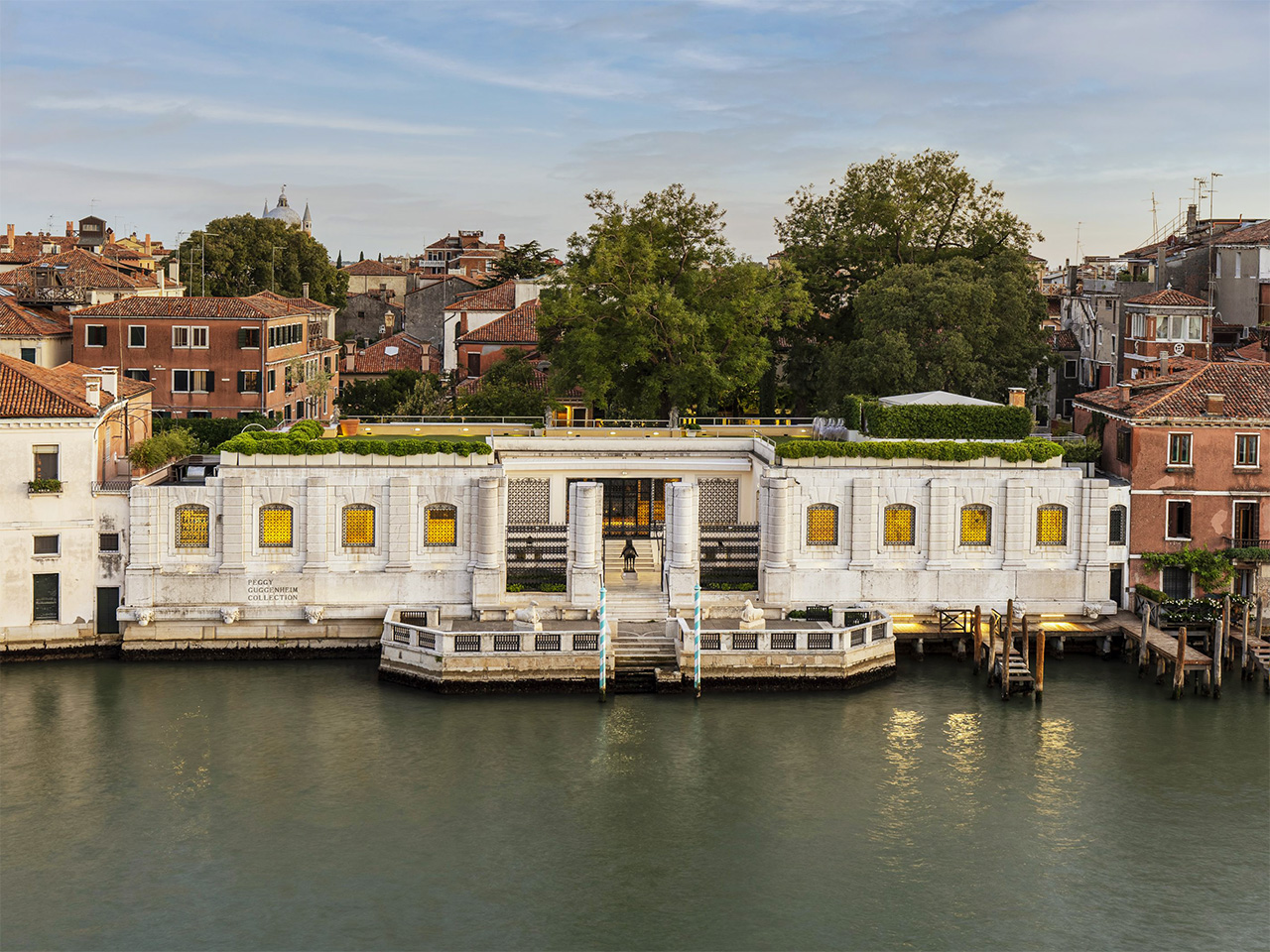
Bound for the Venice Biennale in two weeks time? Good news. Monocle has a new Venice City Guide to consult and download before your trip. While there’s no shortage of world-class culture in Venice, to see some of its most awe-inspiring masterpieces, you should veer away from the Biennale and dip into the city’s churches. You will find paintings, altarpieces and frescoes by Tintoretto at Madonna dell’Orto, Titian at Santa Maria Gloriosa dei Frari and Veronese at San Sebastiano. But if you’re after something with a touch more glamour, here’s one for you.
Peggy Guggenheim Collection, Dorsoduro
Collector Peggy Guggenheim was one of Venice’s most illustrious (and glamorous) residents. After acquiring the unfinished Palazzo Venier dei Leoni on the Grand Canal for use as her personal home, she opened it up to the public for exhibitions. Today, it is still | | | | |