Plus: Could a United–American Airlines merger actually happen?
 ͏  ͏  ͏  ͏  ͏  ͏  ͏  ͏  ͏  ͏  ͏  ͏  ͏  ͏  ͏  ͏  ͏  ͏  ͏  ͏  ͏  ͏  ͏  ͏  ͏  ͏  ͏  ͏  ͏  ͏  ͏  ͏  ͏  ͏  ͏  ͏  ͏  ͏  ͏  ͏  ͏  ͏  ͏  ͏  ͏  ͏  ͏  ͏  ͏  ͏  ͏  ͏  ͏  ͏  ͏  ͏  ͏  ͏  ͏  ͏  ͏  ͏  ͏  ͏  ͏  ͏  ͏  ͏  ͏  ͏  ͏  ͏  ͏  ͏  ͏  ͏  ͏  ͏  ͏  ͏  ͏  ͏  ͏  ͏  ͏  ͏  ͏  ͏  ͏  ͏  ͏  ͏  ͏  ͏  ͏  ͏  ͏  ͏  ͏  ͏  ͏  ͏  ͏  ͏  ͏  ͏  ͏  ͏  ͏  ͏  ͏  ͏  ͏  ͏  ͏  ͏  ͏  ͏  ͏  ͏  ͏  ͏  ͏  ͏  ͏  ͏  ͏  ͏  ͏  ͏  ͏  ͏  ͏  ͏  ͏  ͏  ͏  ͏ ­ ­ ­ ­ ­ ­ ­ ­ ­ ­ ­ ­ ­ ­ ­ ­ ­ ­ ­ ­ ­ ­ ­ ­ ­ ­ ­ ­ ­ ­ ­ ­ ­ ­ ­ ­ ­ ­ ­ ­ ­ ­ ­ ­ ­ ­ ­ ­ ­ ­ ­ ­ ­ ­ ­ ­ ­ ­ ­ ­ ­ ­ ­ ­ ­ ­ ­ ­ ­ ­ ­ ­ ­ ­ ­ ­ ­ ­ ­ ­ ­ ­ ­ ­ ­ ­ ­ ­ ­ ­ ­ ­ ­ ­ ­ ­ ­ ­ ­ ­ ­ ­ ­ ­ ­ ­ ­ ­ ­ ­ ­ ­ ­ ­ ­ ­ ­ ­ ­ ­ ­ ­ ­ ­ ­ ­ ­ ­ ­ ­ ­ ­ ­ ­ ­ ­ ­ ­  
Fortune 500 Digest with Alyson Shontell
Saturday, April 18, 2026
Foreword
Alyson Shontell
Editor-in-Chief

A few weeks ago, Fortune’s Beatrice Nolan was the first to report that a powerful new AI model called Mythos was in development at Anthropic. Her reporting was a great scoop, but it also surfaced serious concerns about the large language model’s potential to enable uncontrollable cybersecurity risks.

Since Nolan’s story broke, those worries have rapidly spread. Unlike prior models it had released publicly, Anthropic opted to give Mythos to a small number of companies for quiet testing. It is also planning to tightly restrict the model’s release, precisely because of the cyber risks.

One Fortune 500 executive I spoke with recently told me their team has been testing the model. They’re concluding that both the hype and the security risks are very real.

Nolan gives a good assessment of what’s at stake: “Attackers, even those lacking high-level technical skills, can now launch highly automated attacks across thousands of systems at once in a massive, coordinated assault,” she writes. “Unless government and industry harden defenses, the world could see a wave of devastating cyberattacks taking down banking systems, power grids, hospitals, or water systems. It is exactly such a nightmare scenario that Anthropic says it is hoping to head off by limiting Mythos’s release.”

Those with access to Mythos say the model is identifying vulnerabilities faster than companies can patch them. The fix, Fortune’s Sharon Goldman writes, requires a mindset shift: Protections need to be built into software from the ground up, rather than handled after the fact.

Mythos is proving consequential on other fronts, too. Fear, it turns out, is a powerful marketing tool, and Anthropic appears to be positioning itself as the safe, responsible solution to the very risks it’s surfacing. (“Safe AI” has always been a big part of Anthropic’s brand.) The model may also be key to repairing Anthropic’s relationship with the White House after some very expensive tension with the Defense Department. Axios reports that Anthropic CEO Dario Amodei traveled to Washington to meet with White House Chief of Staff Susie Wiles, with Mythos and its security implications as the basis for the conversation.

For more on Mythos and other evolving AI stories, read recent reporting from Beatrice Nolan and Sharon Goldman.

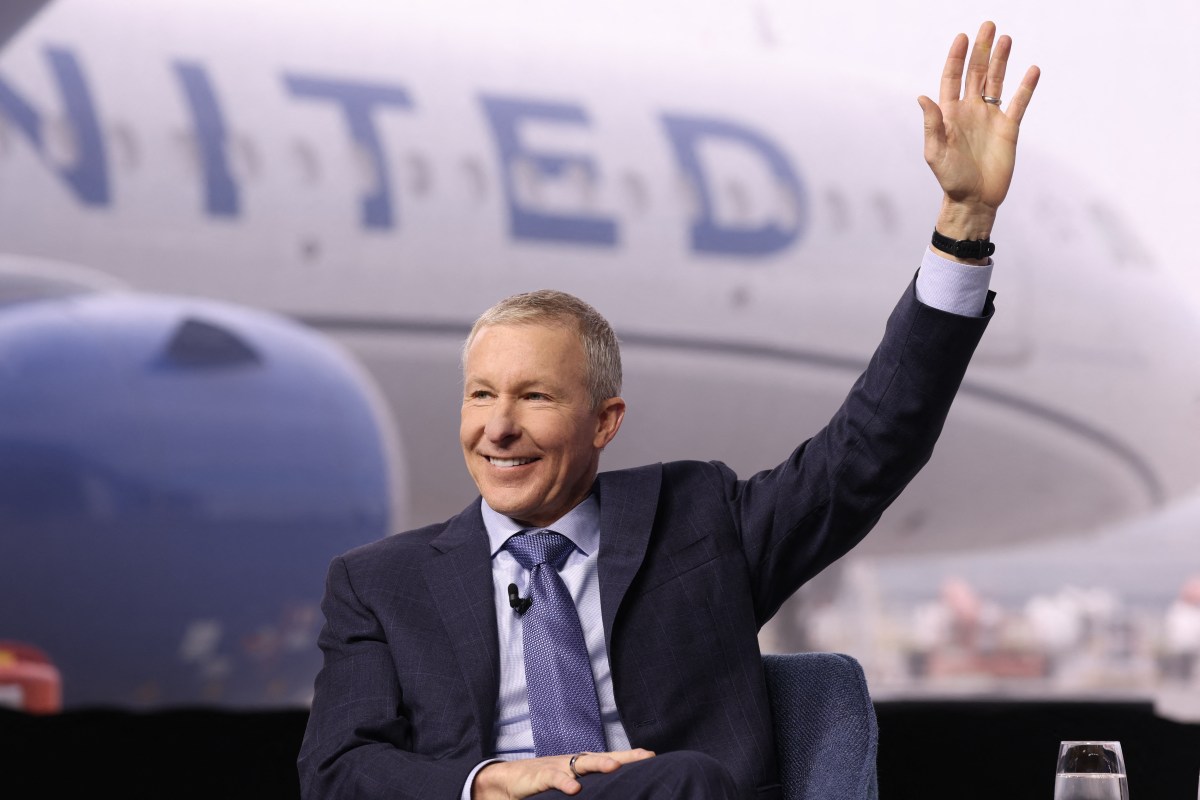
In other major business news this week, Fortune’s Shawn Tully got sources to open up about a potential merger of United Airlines (No. 74) and American Airlines (No. 81) that could reshape the U.S.’s global positioning in the skies. His takeaway: The monster deal is by no means impossible.

Follow Alyson on X, LinkedIn, TikTok, Instagram, and the Titans and Disruptors vodcast.

Catch Up
Fortune 500 C-suite Power Moves
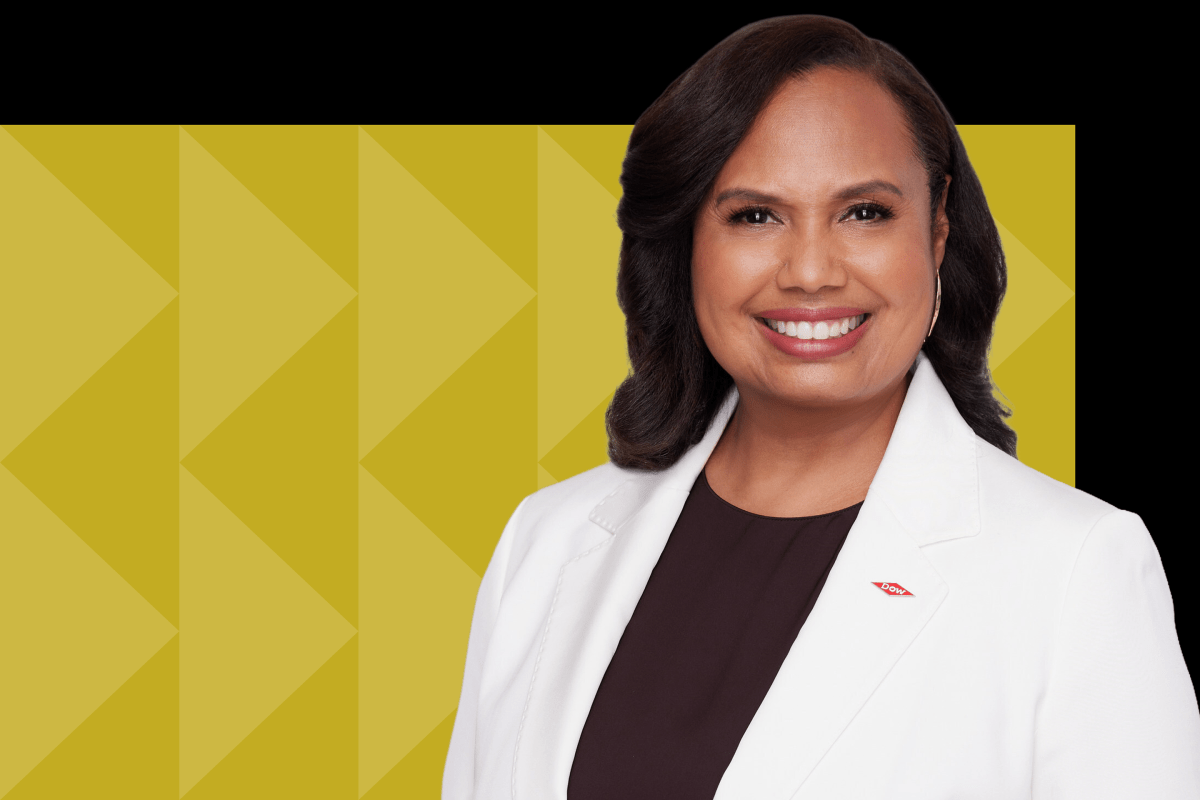
Dow (No. 103) promoted COO Karen S. Carter to CEO, effective July 1 when Jim Fitterling steps down. Coca-Cola (No. 97) appointed Tapaswee Chandele Global Chief People Officer, succeeding Lisa Chang effective May 1. Conagra Brands (No. 350) appointed John Brase CEO, succeeding Sean Connolly effective June 1. Brase most recently served as President and COO of J.M. Smucker (No. 466).
And more in this week's Fortune 500 Power Moves.
Deals & Developments
  • Amazon agreed to acquire satellite operator Globalstar for about $11.6 billion, a move that appears aimed at competing with Elon Musk’s SpaceX in providing high-speed internet via low-Earth orbit satellites. Read more: Why Amazon bought Globalstar
  • Caterpillar (No. 64) acquired the assets of struggling autonomous tractor startup Monarch Tractor, which had raised more than $200 million in venture funding over its eight years of operation.
  • United Airlines Holdings (No. 74) CEO Scott Kirby suggested the idea of a merger of the company and American Airlines Group (No. 81) to government officials earlier this year. Read more: United CEO Scott Kirby and American CEO Robert Isom were once colleagues known as the ‘dream team.’ Now Kirby wants to acquire his rival
  • A federal jury found Live Nation Entertainment (No. 190) liable for operating a monopoly in violation of state and federal antitrust laws. The judge could order a breakup of the company (Live Nation owns Ticketmaster) in addition to monetary damages. Live Nation said in a statement that “the jury’s verdict is not the last word on this matter” and that it “can and will appeal any unfavorable rulings.”
Overheard
“It’s an unproven, untested product, and we’re giving it to children in the name of improving education or equity or cognition.”
—A coalition of more than 250 experts and organizations are c