Reed Hastings steps down, U.S. preps for Mythos, Meta Quest price jump.
 ͏  ͏  ͏  ͏  ͏  ͏  ͏  ͏  ͏  ͏  ͏  ͏  ͏  ͏  ͏  ͏  ͏  ͏  ͏  ͏  ͏  ͏  ͏  ͏  ͏  ͏  ͏  ͏  ͏  ͏  ͏  ͏  ͏  ͏  ͏  ͏  ͏  ͏  ͏  ͏  ͏  ͏  ͏  ͏  ͏  ͏  ͏  ͏  ͏  ͏  ͏  ͏  ͏  ͏  ͏  ͏  ͏  ͏  ͏  ͏  ͏  ͏  ͏  ͏  ͏  ͏  ͏  ͏  ͏  ͏  ͏  ͏  ͏  ͏  ͏  ͏  ͏  ͏  ͏  ͏  ͏  ͏  ͏  ͏  ͏  ͏  ͏  ͏  ͏  ͏  ͏  ͏  ͏  ͏  ͏  ͏  ͏  ͏  ͏  ͏  ͏  ͏  ͏  ͏  ͏  ͏  ͏  ͏  ͏  ͏  ͏  ͏  ͏  ͏  ͏  ͏  ͏  ͏  ͏  ͏  ͏  ͏  ͏  ͏  ͏  ͏  ͏  ͏  ͏  ͏  ͏  ͏  ͏  ͏  ͏  ͏  ͏  ͏ ­ ­ ­ ­ ­ ­ ­ ­ ­ ­ ­ ­ ­ ­ ­ ­ ­ ­ ­ ­ ­ ­ ­ ­ ­ ­ ­ ­ ­ ­ ­ ­ ­ ­ ­ ­ ­ ­ ­ ­ ­ ­ ­ ­ ­ ­ ­ ­ ­ ­ ­ ­ ­ ­ ­ ­ ­ ­ ­ ­ ­ ­ ­ ­ ­ ­ ­ ­ ­ ­ ­ ­ ­ ­ ­ ­ ­ ­ ­ ­ ­ ­ ­ ­ ­ ­ ­ ­ ­ ­ ­ ­ ­ ­ ­ ­ ­ ­ ­ ­ ­ ­ ­ ­ ­ ­ ­ ­ ­ ­ ­ ­ ­ ­ ­ ­ ­ ­ ­ ­ ­ ­ ­ ­ ­ ­ ­ ­ ­ ­ ­ ­ ­ ­ ­ ­ ­ ­  
Friday, April 17, 2026
End of an era: Reed Hastings steps down from Netflix

Good morning. Especially to Google CFO Anat Ashkenazi, whose employer, it turns out, still owns a roughly 5% stake in Elon Musk’s SpaceX.

Google joined Fidelity to invest $1 billion in SpaceX way back in 2015, giving the pair a roughly 10% stake at the time. (Musk controls more than 40% of the rocket-maker.) Fast forward to today, and a SpaceX IPO—for which the company is reportedly seeking to raise $75 billion or more at a valuation of nearly $2 trillion—would net Google a cool $100 billion

Yes, with a “B”—which is more than the tech giant made in all of Q1. But who’s counting? 

The news below. Have a great weekend. —Andrew Nusca

Want to send thoughts or suggestions to Fortune Tech? Drop a line here.
Reed Hastings steps down from Netflix
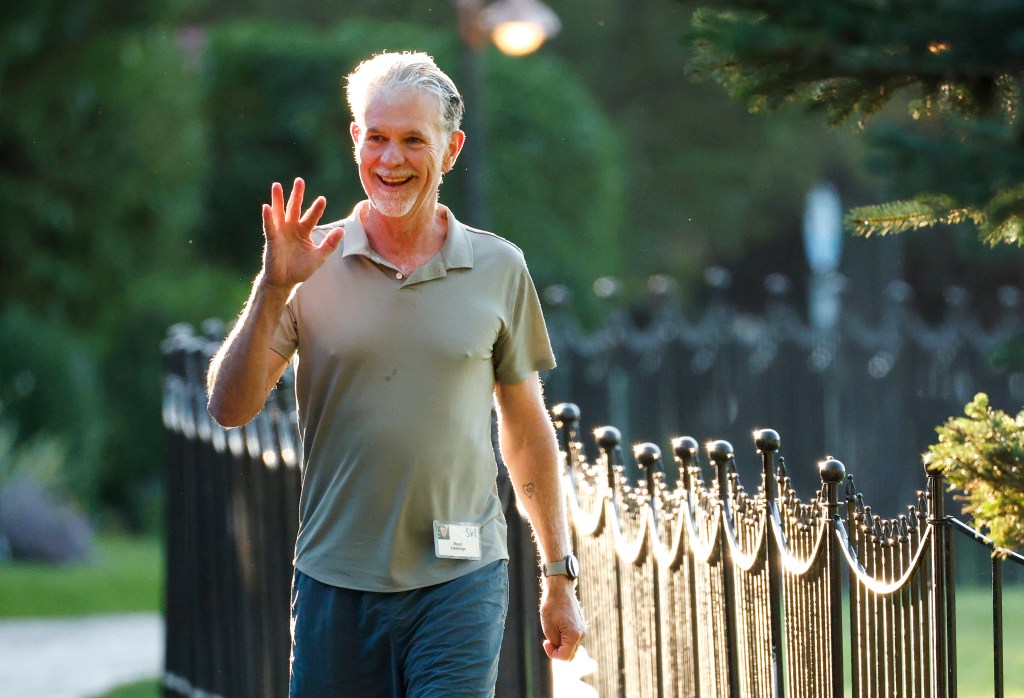
Netflix cofounder and chairman Reed Hastings on July 10, 2025 in Sun Valley, Idaho. (Photo: Kevin Dietsch/Getty Images)Netflix cofounder and chairman Reed Hastings on July 10, 2025 in Sun Valley, Idaho. Kevin Dietsch/Getty Images

It’s difficult to imagine Netflix without Reed “Animal” Hastings somewhere in the mix. But that time has finally come.

The streamer on Thursday announced that its co-founder and chairman would relinquish his spot on the Netflix board in June, when his current term expires. Hastings launched the company in 1997. He was its CEO from 1999 to 2023, its Qwikster-in-chief (ahem) in 2011, and has been chairman since 2023. 

In his next chapter, Hastings plans “to focus on his philanthropy and other pursuits.” (He remains the company’s largest individual shareholder, with a roughly 1% stake.)

“My real contribution at Netflix wasn’t a single decision,” Hastings said in a statement. “It was a focus on member joy, building a culture that others could inherit and improve, and building a company that could be both beloved by members and wildly successful for generations to come.”

Netflix shares dropped 8% on the news, which included a Q1 earnings report that beat estimates for revenue ($12.3 billion) but fell short on its Q2 forecast for earnings per share. It was the company’s first such report after withdrawing from its $83 billion deal for much of Warner Bros Discovery, which instead sold to Paramount Skydance for $110 billion. —AN
U.S. gov’t clears path to use Anthropic’s Mythos AI model
The White House is reportedly moving to allow federal agencies to use Anthropic Claude Mythos, the company’s powerful new frontier AI model.

Gregory ​Barbaccia, the U.S. CIO, told Cabinet officials in a memo sent Tuesday that the Office of Management and Budget was setting up protections to ​allow federal agencies to begin using a version of Mythos. 

“We're working closely ​with model providers, other industry partners, and the intelligence community to ensure the appropriate guardrails ‌and ⁠safeguards are in place before potentially releasing a modified version of the model to agencies," he wrote. 

He did not specify when the model would become available.

It’s difficult to describe just how much Mythos has captured the imaginations of those in tech. The AI model—which is unreleased and available only to a restricted group—has gained much attention in recent weeks for its potency. 

As part of so-called Project Glasswing, Mythos has become a sort of cybersecurity silver bullet to unearth high-severity vulnerabilities in the most critical software, such as what underpins the nation’s banking system.

Concerns abound, then, that Mythos falls into the wrong hands—only for corporate chiefs and government officials to find themselves on the receiving end of its powers. —AN
Meta bumps Quest 3 price to $600
Hardware is hard, as the saying goes. That’s especially true when the supply chain is stressed.

Just ask Meta. The company behind Facebook, Instagram, and WhatsApp also makes a number of fine VR headsets. Starting April 19, those are going up in price.

Meta’s Quest 3S jumps by $50. The 128-gigabyte edition now runs $350 in the U.S.; the 256-gigabyte model sets the buyer back $450. 

Meanwhile, Meta’s Quest 3 (512 GB) is now $600, an increase of $100. Pricing will also jump for refurbished Meta Quest units, but accessories will remain the same. 

Why? The protracted global memory shortage—“RAMmageddon” if you’re nasty—driven by AI infrastructure demand for dynamic random-access memory (DRAM) and high-bandwidth memory (HBM). It’s expected to last through next year, if not 2030.

Now, if you’re thinking, wait a minute, didn’t Meta say it would spend eye-watering amounts of money to build AI data centers in its pursuit of superintelligence? The answer is yes—between $115 billion and $135 billion this year alone.

Just in case you needed to send the bill somewhere, you know? —Andrew Nusca
More tech
Anthropic releases Claude Opus 4.7. Better coding performance, better image vision, “more tasteful and creative” decks and docs.

OpenAI policy chief Chris Lehane: AI doomers “have a very, very negative and dark view of humanity.”

Digital ad revenue up 13.9% from a year ago. Social media advertising is up 32.6%; digital video ads are up 25.4%, per IAB and PwC.

Two U.S. citizens sentenced to 16 years in prison for running laptop farms that let North Korean IT workers pose as Americans.

Zombie startups train AI agents. AI labs are buying Slack, Jira, and email archives from defunct startups to build “reinforcement learning gyms.”

U.S. creates high-tech manufacturing zone in the Philippines. A rent-free deal to counterbalance China.

Cerebras will reportedly receive $20 billion from OpenAI for use of its server chips, twice the previously agreed amount.

The first of the Hangzhou ‘Little Dragons’ to go public, Manycore, pushes "spatial intelligence" as the next wave of AI development.