April 10, 2026

Image

Better health begins with ideas


Editors’ Note

On Tuesday, the United States and Iran reached a two-week ceasefire fire deal after nearly six weeks of war. Although it is too soon to gauge whether the calm will hold, the pause gives respite to a region already battered by war.  


Rebuilding could last years, and the less visible consequences could take even longer to remedy. Abraham Marshall Nunbogu leads a group of authors from the UN University Institute for Water, Environment and Health who describe how March 7 attacks on two of Iran’s major oil depots created “black rain,” a form of environmental pollution so ruinous that it could yield a prolonged health crisis that transcends borders.  


As countries recalibrate their spending following last year’s aid cuts, the World Health Organization (WHO) Executive Director of Health Emergencies Chikwe Ihekweazu and Global Engagement Manager Garry Aslanyan outline why every country should have a public health agency to foster political accountability and streamline the chains of command that spur action. 


To continue coverage of ongoing debates in global health reform, Expertise France’s Eric Fleutelot responds to a TGH article from January 7 that offers 10 considerations to guide new health initiatives. Rather than focus on consolidation, which can entail higher coordination costs and more complex governance arrangements, Fleutelot suggests that smaller or more specialized organizations are better positioned to adapt to emerging health challenges. 


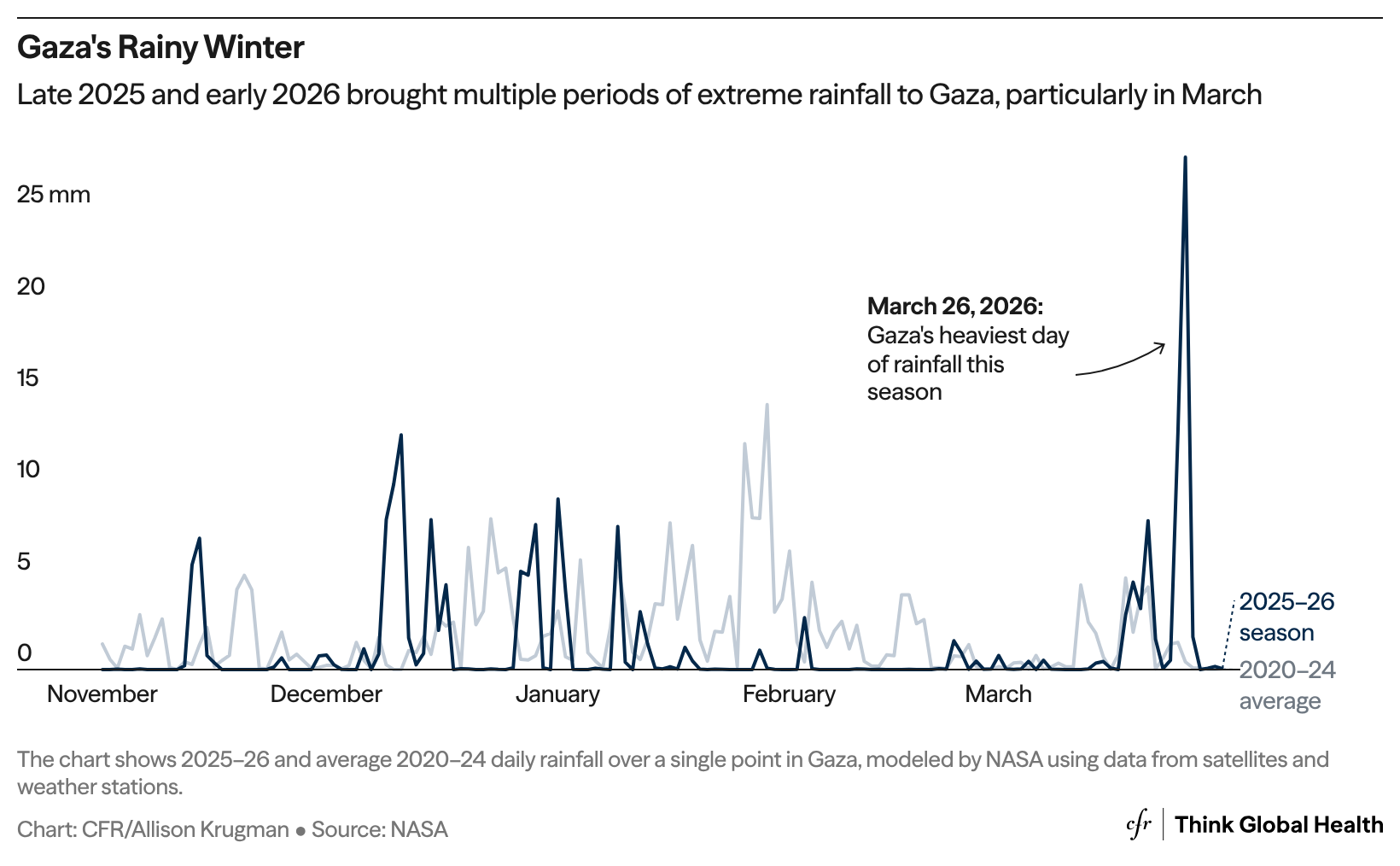
Circling back to the Middle East, Project HOPE’s Safaa Al Hourany reflects on how heavy rainfall this winter in Gaza damaged thousands of shelters, leading to at least 11 deaths among children due to hypothermia and leaving more than 3,000 displaced people vulnerable to the medical condition. As the Strait of Hormuz reopens, Al Hourany says that aid organizations should prioritize fuel supplies and materials so that Palestinians can recover from the harsh winter.  


To cap off the edition, Uzma Rentia, a George Washington University medical student, describes how a group of Syrian American physicians is leading an initiative to establish Syria’s first screening and prevention program for retinopathy of prematurity, a preventable disease that can cause blindness in premature infants.  


Until next week!—Nsikan Akpan, Managing Editor, and Caroline Kantis, Associate Editor  


This Week’s Highlights


GOVERNANCE

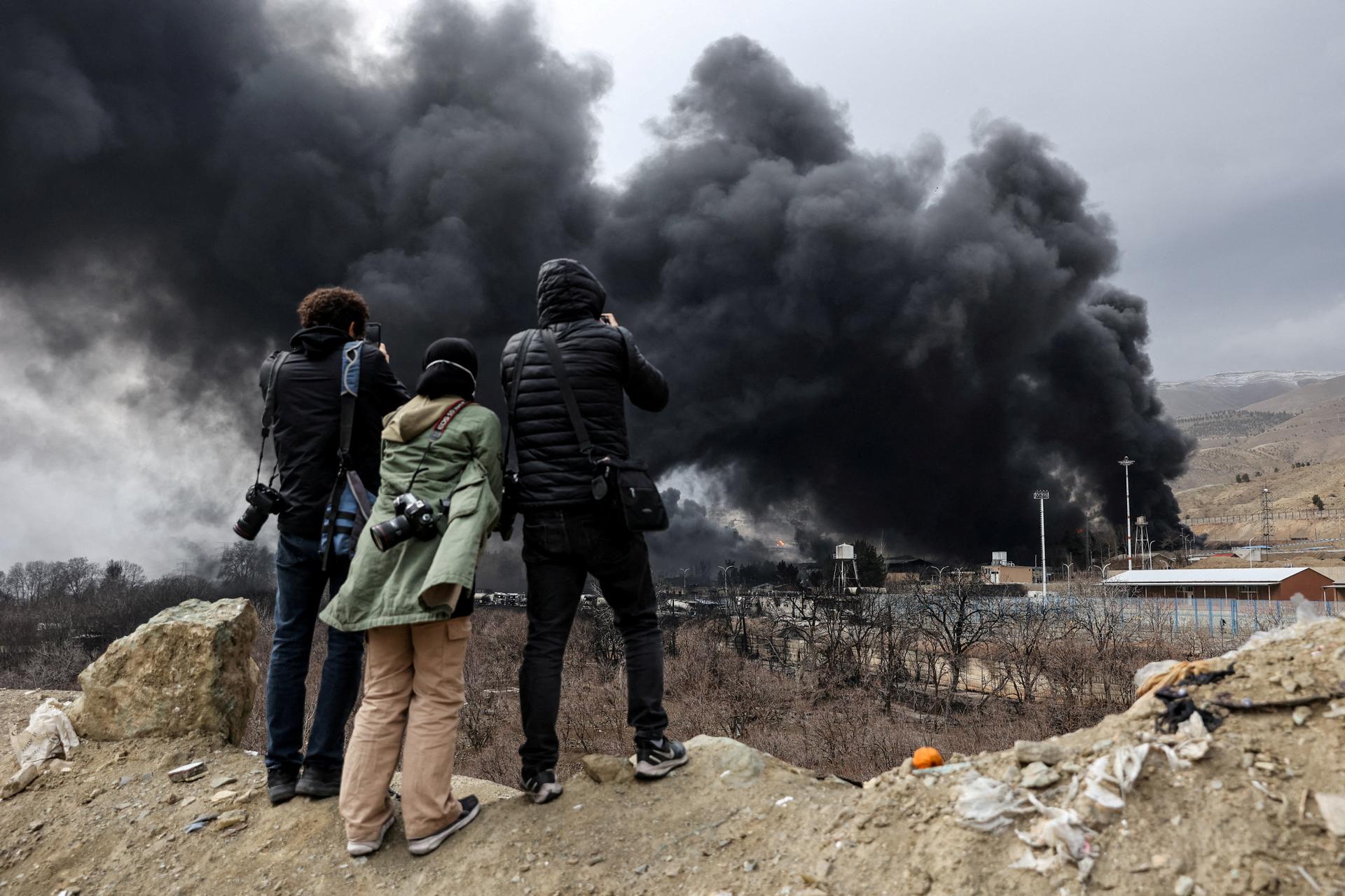
People record smoke rising after a reported strike on Shahran fuel tanks, in Tehran, Iran, on March 8, 2026. Majid Asgaripour/WANA (West Asia News Agency) via REUTERS

Iran’s Black Rain and the Health Shadow of Oil Wars 

by Abraham Marshall Nunbogu, Rohit Ramchandani, Mehreen Shami, Wania Khan, and Kaveh Madani

The environment is a casualty of the Iran war, as oil fires and “black rain” create toxic damage that typically endures


Read this story

GOVERNANCE

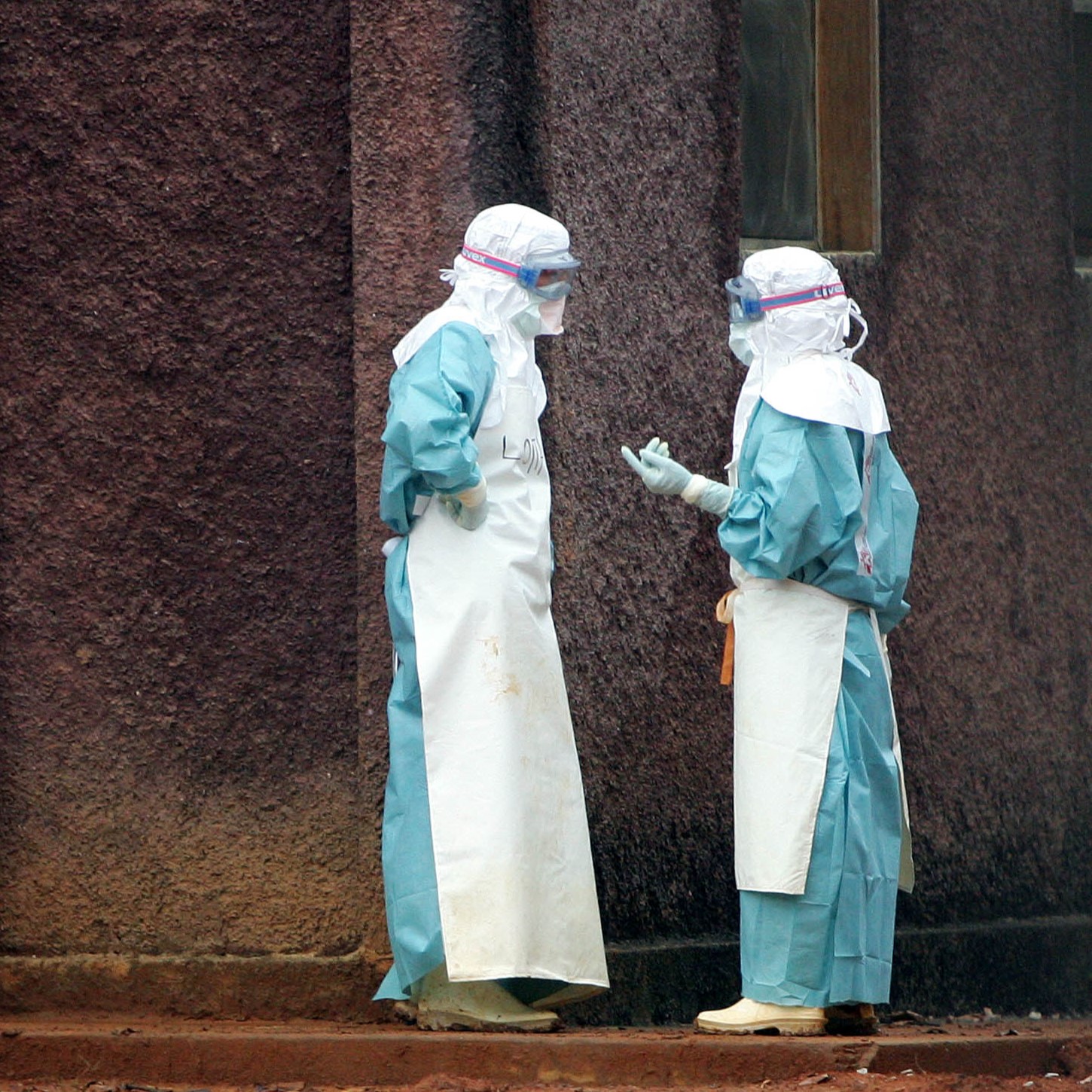
Health workers in protective clothing confer behind barriers marking the isolation ward where victims Marburg virus are treated, in Uige, Angola, on April 20, 2005.

Why Every Country Needs a Public Health Agency 

by Chikwe Ihekweazu and Garry Aslanyan

The WHO’s executive director of health emergencies and global engagement manager outline why more countries are launching national public health agencies 


Read this story

GOVERNANCE

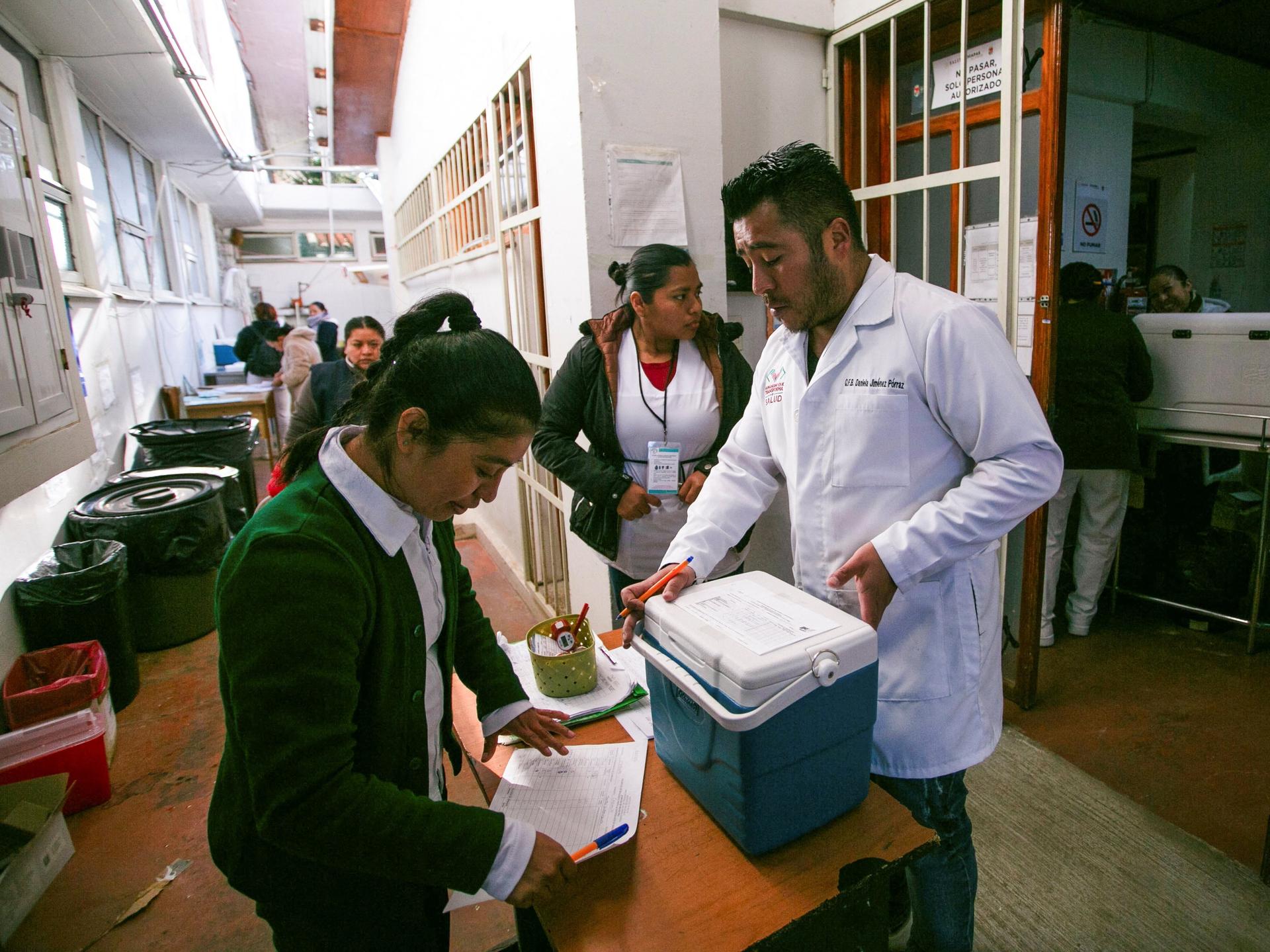
Community health workers prepare vaccines for a measles vaccination drive amid a surge in cases, in San Cristobal de Las Casas, Chiapas, Mexico, on February 25, 2026.

Global Health Reform for Communities Beyond Institutions  

by Eric Fleutelot

Much of global health progress has been driven by small teams, writes the head of Expertise France’s major pandemics cluster 


Read this story


Figure of the Week


A line graph showing rainfall in Gaza for the 2025-26 season compared to the 2020-2024 average

Read this story


Recommended Feature


POVERTY

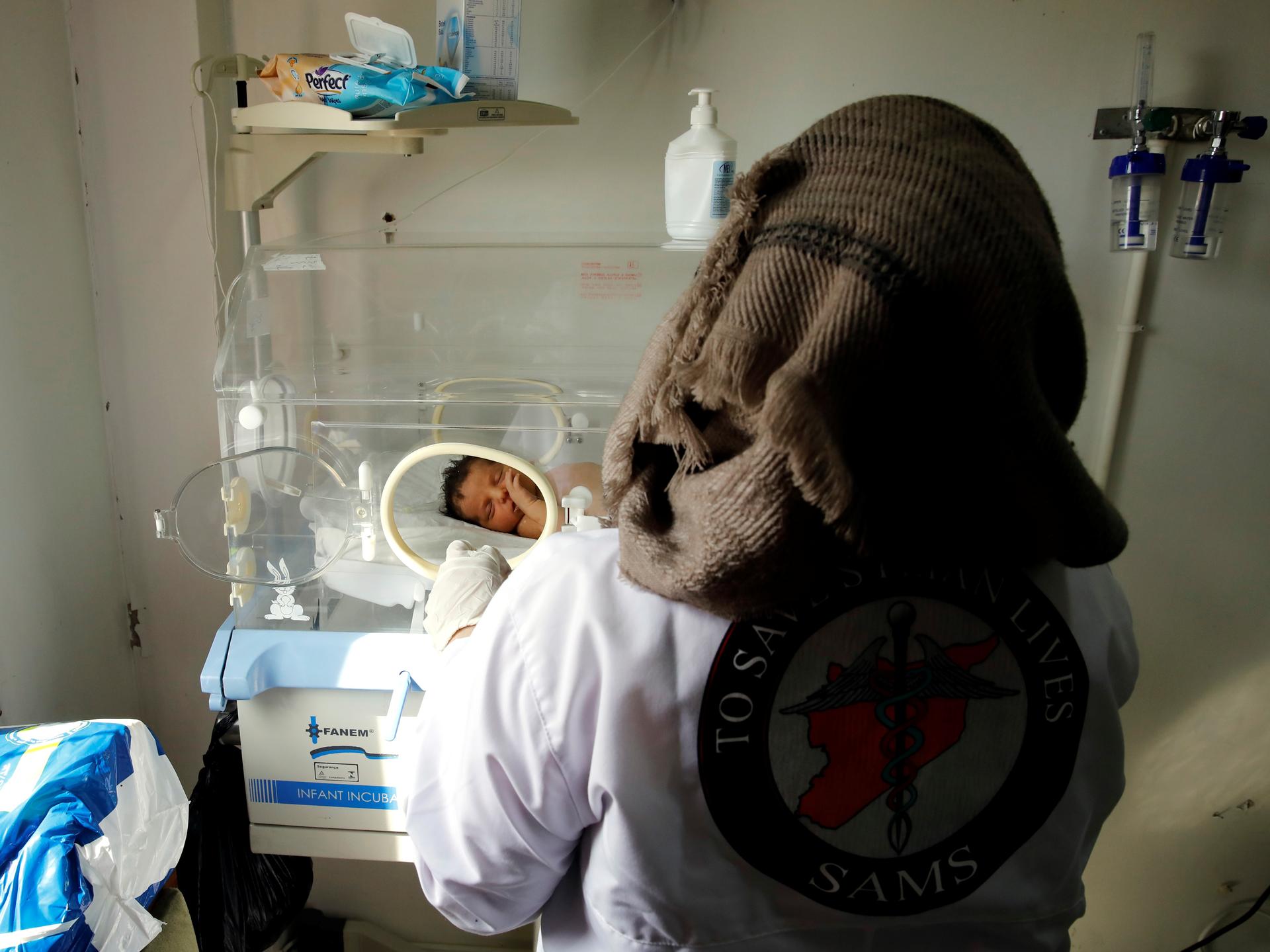
A nurse checks a premature baby at a maternity hospital, in Idlib, Syria, on February 27, 2020.

Syrian Doctors Fight Infant Blindness After War

by Uzma Rentia

Syrian American ophthalmologists are banding together to improve pediatric tests for retinopathy of prematurity


Read this story


What We’re Reading

Alaska Senate Advances Bill to Allow Surrender of Infants in Climate-Controlled boxes (Alaska Beacon)


Rebalancing Power in Infectious Disease Modelling: Toward Inclusive and Contextual Approaches (PLOS)


Exclusive: U.S. Upends Global Supply Program for Malaria and HIV Amid Warnings of Gaps (Reuters)


Paramilitary Forces in Sudan Kill at Least 10 People in Hospital Drone Attack, Medical Group Says (AP News)


Cuban Doctors Endure Burnout, Blackouts as Once-Vaunted Health Care Declines (Reuters)


As War Escalates, Iran’s Universities Face Increasing Fire (Science)


Abortion Clinics Are Closing Nationwide. Could Urgent Care Help Fill the Gap? (NPR)


Protection for the Most Vulnerable: Debt Shock Absorbers for Poor Countries (Center for Global Development)


Interested in submitting?

Review our Submission Guidelines

Image
Twitter Bluesky

An initiative from the Council on Foreign Relations

58 East 68th Street — New York, NY 10065

Unsubscribe

View in Browser

Manage Your CFR Email Preferences