This year marks the 13th time I’m helping to plan our
annual Elevate user conference, and it’s never felt more imperative than this moment.
I still remember the first time I walked into one of our earliest user conferences. Not because of the agenda or the product sessions, but because of the conversations happening in the hallways. Directors comparing notes on what kept them up at night. General counsels asking how others were handling a new regulatory expectation. Board leaders admitting, often for the first time out loud, that the job was getting harder and lonelier. That part has never changed.
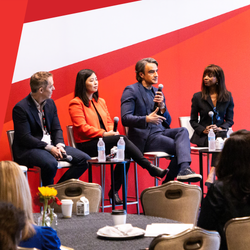
Over the years, Elevate has become one of the few places where these topics are discussed openly, shaped by real experiences from boardrooms, risk teams, and executive leadership. I’ve seen board members realize they’re not the only ones weighing trade-offs. I’ve watched risk and compliance leaders compare notes on what’s working and what isn’t, trading practical approaches and picking up ideas they can use almost immediately. And I’ve heard CEOs acknowledge how much of the job now comes down to judgment, not certainty.
What boards are being asked to do now has changed dramatically
In the early days, conversations about governance software centered on access and efficiency. How do we get the right materials to the board on time? How do we move faster without sacrificing rigor? At the time, those felt like the defining challenges.
Today, those questions are just the starting point. Nearly every conversation I hear now, whether with directors, legal teams, risk leaders, or other executives, comes back to uncertainty. Risk is no longer a discrete agenda item. It runs through strategy, technology, talent, transactions, and reputation. Directors and management teams are expected to connect the dots across areas that are managed in silos, often with incomplete information and very little margin for error. And, the breadth of issues these leaders must be competent in has exploded, with everything from cybersecurity to AI to geopolitics now on their plates.
Moving forward, even though there’s no playbook
What hasn’t changed, across all the Elevate conferences I’ve had the privilege to attend, is the feeling in the room. People come from different sectors, regions, and roles, but they share a seriousness about the work and a real commitment to doing it well. That energy is hard to describe, but you feel it immediately.
Year after year, I hear the same thing from attendees: Elevate leaves them feeling clearer, less alone, and better equipped to take on the complex, often under-recognized work they do every day.
If you feel lost or overwhelmed in your work, or if you’re taking on new challenges and want to compare notes and learn more, I invite you to join us at Elevate, April 22–24 in Atlanta. The discussions and practical work will sharpen how you think, challenge your assumptions and change how you approach the work when you return to it.
Because when there’s no playbook, these conversations are what help you move forward.