|
 |
Fighting for journalism and profitable news media
Reach CEO Piers North: AI approach ‘mixture of courtship and courts’
And The Telegraph declines to tell regulator IPSO how fake banker story got published
|

| |||||||||||||||


Good morning from the team at Press Gazette on Wednesday, 4 March.
💰 Reach CEO Piers North is pleased with his first annual results after a year in charge.
Profit is up despite Google throwing a huge spanner in the works at the end of last year by turning off the traffic spigots on its Discover platforms.
North told us what he makes of that and also spoke about the publisher’s plans to both sign deals and take legal action against AI companies.
He also spoke about the rollout of paywalls and the prospect of more job cuts.
Investors voted with their money yesterday as the Reach share price dropped 12%.
The changing tech ecosystem has delivered a long-term hit to Reach’s future revenue prospects and North has yet to convince the market he has a plan to make up for all those lost advertising clicks.
 |
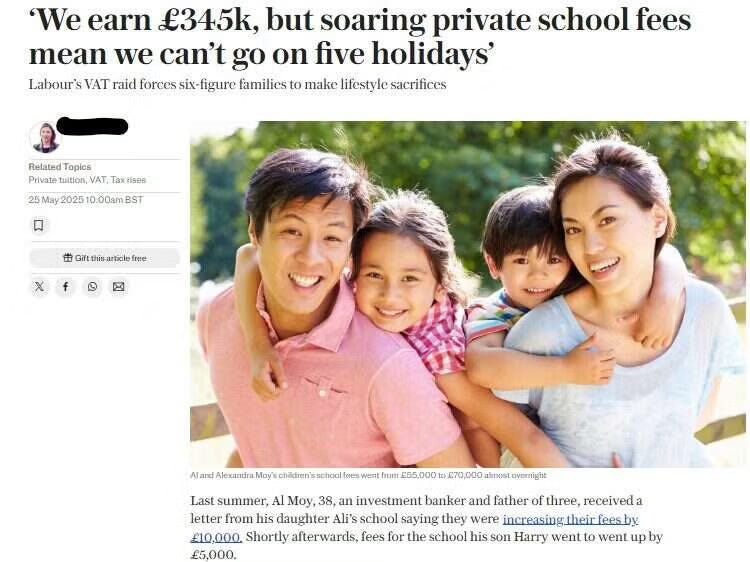
The title was held to have breached the Editors’ Code by publishing a story about an apparently fictional banker, earning £345,000 a year, who complained that VAT on school fees meant he could no longer afford to go on five holidays a year.
The story was quickly removed by The Telegraph, which later published a rather limited explanation of what went wrong.
IPSO decided this did not go far enough and held The Telegraph in breach even though it had already attempted to atone for the mishap.
The paper declined to reveal exactly what went wrong. But Press Gazette understands the case study was based on a real interview set up by a PR working for a financial planning firm referenced in the story.
It appears the case study gave a fake name and either embellished or entirely made up their story.
The freelance who was asked to do the interview assumed the interviewee was legitimate because it was set up on their behalf by an editor.
The really mad part occurred when the story came to be laid out and somehow was misleadingly illustrated with a stock picture of a random family.
The only saving grace was the fact that this was not a case of AI invention as lazily assumed by some commentators (Richard Osman and Marina Hyde).
It was an old fashioned case of human error likely caused by multiple failures of communication.
And as I regularly tell colleagues who sub this newsletter, the man who never made a mistake never made anything.
 |
🤏News In Brief
Meta and News Corp have reportedly signed a $50m three-year AI licensing deal that will allow Meta to use the media company’s content for AI products and to train on other content, such as story archives. (Wall Street Journal)
BBC chief operating officer Leigh Tavaziva is stepping down in September. She also revealed that product and tech staff in BBC public service departments are being merged into a new BBC Media Tech team. (The Hollywood Reporter)
Yahoo has reportedly sold its tech news website Engadget to Static Media, with the deal's terms not disclosed. (The Verge)