| | In this edition: A giant slug of debt for the largest leveraged buyout in history is about to hit a ͏ ͏ ͏ ͏ ͏ ͏ |
| |  | Business |  |
| |
|
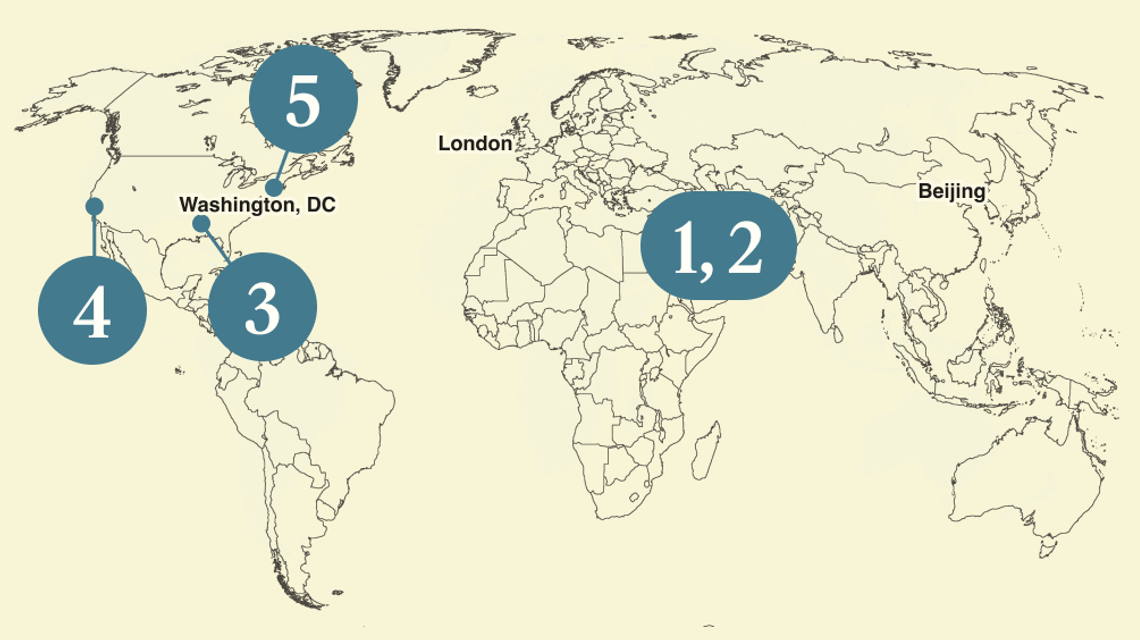 - A test of Wall St.’s Gulf rush
- The war’s winners and losers
- A windwall for US gas
- Uber CEO on Compound Interest
- A $20B test of LBO nerves
 Happy publication day to Lloyd Blankfein (I’ve read it, it’s fun) |
|
 If you’re worried about private credit, and a lot of people are, you should be really worried about private equity. The mounting panic over private credit — with Blue Owl as the market’s current whipping boy — misses a crucial detail: Beneath every troubled loan sit billions in private equity that, due to the way these deals are structured, will be wiped out before lenders lose a dollar. In a downturn, lenders hold the high ground. They get paid out first. Three-quarters of Blue Owl’s flagship $16 billion loan fund is parked at the absolute top of the capital stack, senior (to the equityholders) and secured (by collateral). Below them are junior creditors with weaker claims on borrowers’ assets. All the way at the bottom are buyout shops holding the “first loss” piece. If AI-hit software companies can’t pay their debts, that equity will be wiped out and creditors like Blue Owl will recover what they can from the dregs. These are not proud moments for lenders, but they’re the only ones getting any money back. Consider the market’s current problem child. Thoma Bravo bought Medallia, a software company that runs customer-satisfaction surveys for other big companies, for $6.4 billion in 2021. Now, its lenders have marked down the debt as low as 77 cents on the dollar, an acknowledgment that they’re unlikely to get fully repaid, and are negotiating with the company to restructure, people familiar with the matter said. That would leave Thoma Bravo’s $5 billion of equity in the company close to worthless. (Thoma Bravo declined to comment.) If AI disruption hits as hard as doomsayers predict, this pattern will repeat across software buyouts. Yet private equity’s exposure remains oddly absent from the panic narrative. Investors are rushing to take their money out of Blackstone’s credit fund, but I don’t see a line of redemptions at the firm’s semi-liquid buyout fund, 9% of which is invested in software. The SaaSpocalypse may well be overblown. Thoma Bravo’s boss thinks so. So does Uber CEO Dara Khosrowshahi, who has little appetite to replace the enterprise software Uber buys: “It’s easy for me to vibe code a BS to-do app,” he said, displaying his DIY results while recording Semafor’s new Compound Interest podcast (out today!). Big companies “are much more obsessed with getting things right,” he said. But if disaster does strike and AI guts software revenues, creditors holding the high ground are in far better shape than the equityholders at sea level, who will be swamped. If President Donald Trump succeeds in pressuring the Federal Reserve to cut interest rates, it may alleviate some of the pressure, Jason Greenberg, co-head of global tech investment banking at Jefferies, tells me. Without that, he said, “you’re going to see a substantial number of private equity wipeouts.” |
|
Expats evacuate, but life goes on in Gulf |
 People sit on a bench in Dubai Marina on March 3, 2026. Raghed Waked/Reuters. People sit on a bench in Dubai Marina on March 3, 2026. Raghed Waked/Reuters.The US State Department urged Americans to immediately leave more than a dozen Middle East countries due to “serious safety risks,” raising concerns for Western firms that have sent expats and embarked on hiring sprees in the region. JPMorgan told its 370 employees in the Gulf to work from home, and Standard Chartered and others banned travel to the region and offered voluntary evacuations. Flights from the UAE have partially resumed, but they seem focused on repatriation, taking circuitous routes to avoid missile threats. On the ground, daily rhythms have largely held, despite Iran’s retaliatory strikes. UAE President Mohamed bin Zayed Al Nahyan strolled through a Dubai mall, a visual message that life goes on. And as Semafor’s Mohammed Sergie writes, this is, for now, a unifying moment for Gulf countries that have been competing fiercely with each other on the global economic stage — for talent, capital, and flagship presences of Wall Street firms. “The rift between Saudi Arabia and the UAE has disappeared,” Mohammed writes. “Leaders and governments are coordinating their response, and the collective focus is security.” |
|
Markets try and digest Mideast conflict |
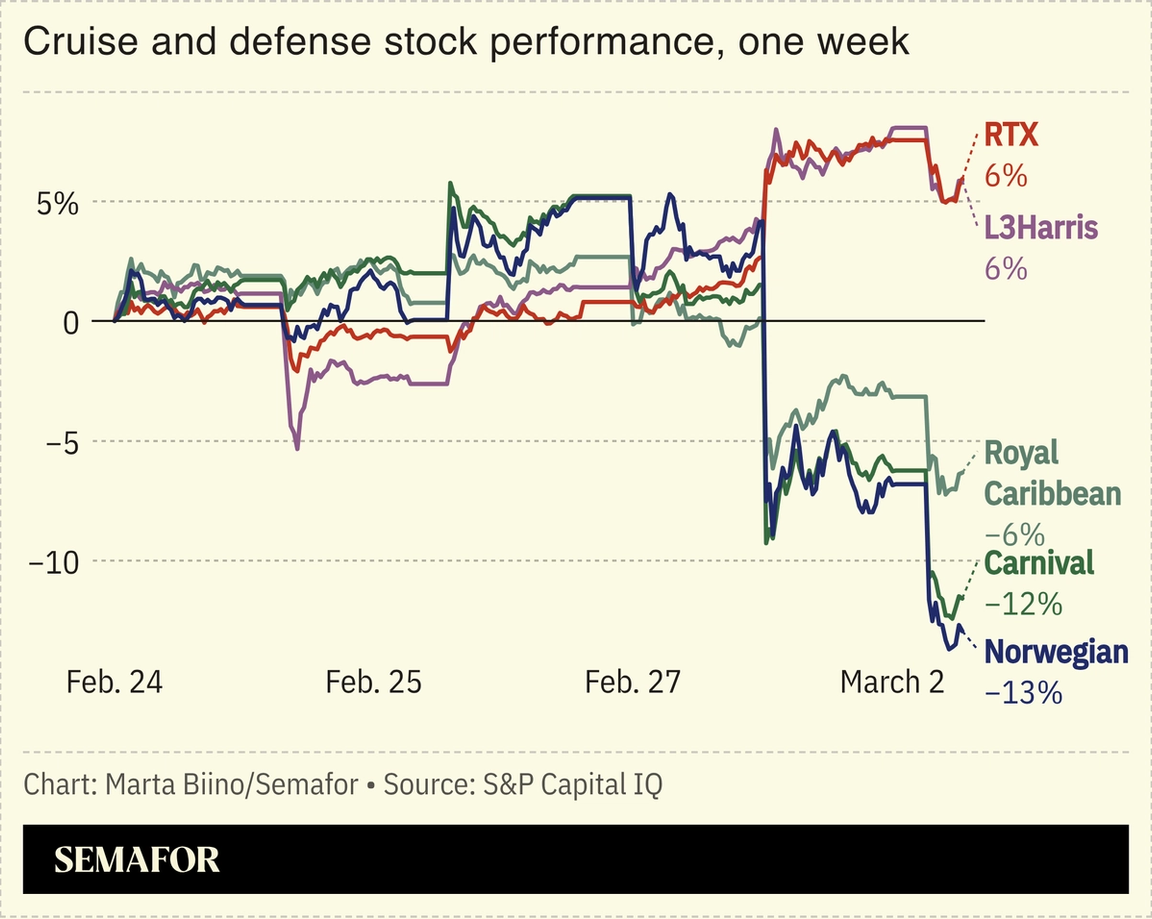 As missiles continue flying across the Middle East, defense stocks are surging, cruise and airline shares are falling, and investors are nervously watching the Strait of Hormuz, which carries 20% of global oil. The conflict is creating leaders and laggards, JPMorgan analysts wrote Monday. A steady erosion of missile interceptor stockpiles has sent shares of defense contractors higher. American LNG suppliers surged in Monday trading; and tanker rates doubled in less than one day. (Semafor’s Tim McDonnell notes that fear, and a lack of insurance, are probably bigger impediments than a potential blockade of a 20-mile-wide strait.) The big laggards: Cruise and airlines, which are, to varying degrees, exposed to whipsawing fuel prices. Royal Caribbean, which hedges roughly 60% of its fuel costs, was less affected than Norwegian and Carnival. Airlines hedge more religiously but also have to contend with regional route suspensions, JPMorgan noted. A popular Wall Street bet on emerging markets is also taking it in the teeth. |
|
Iran war creates windfall for US gas exporters |
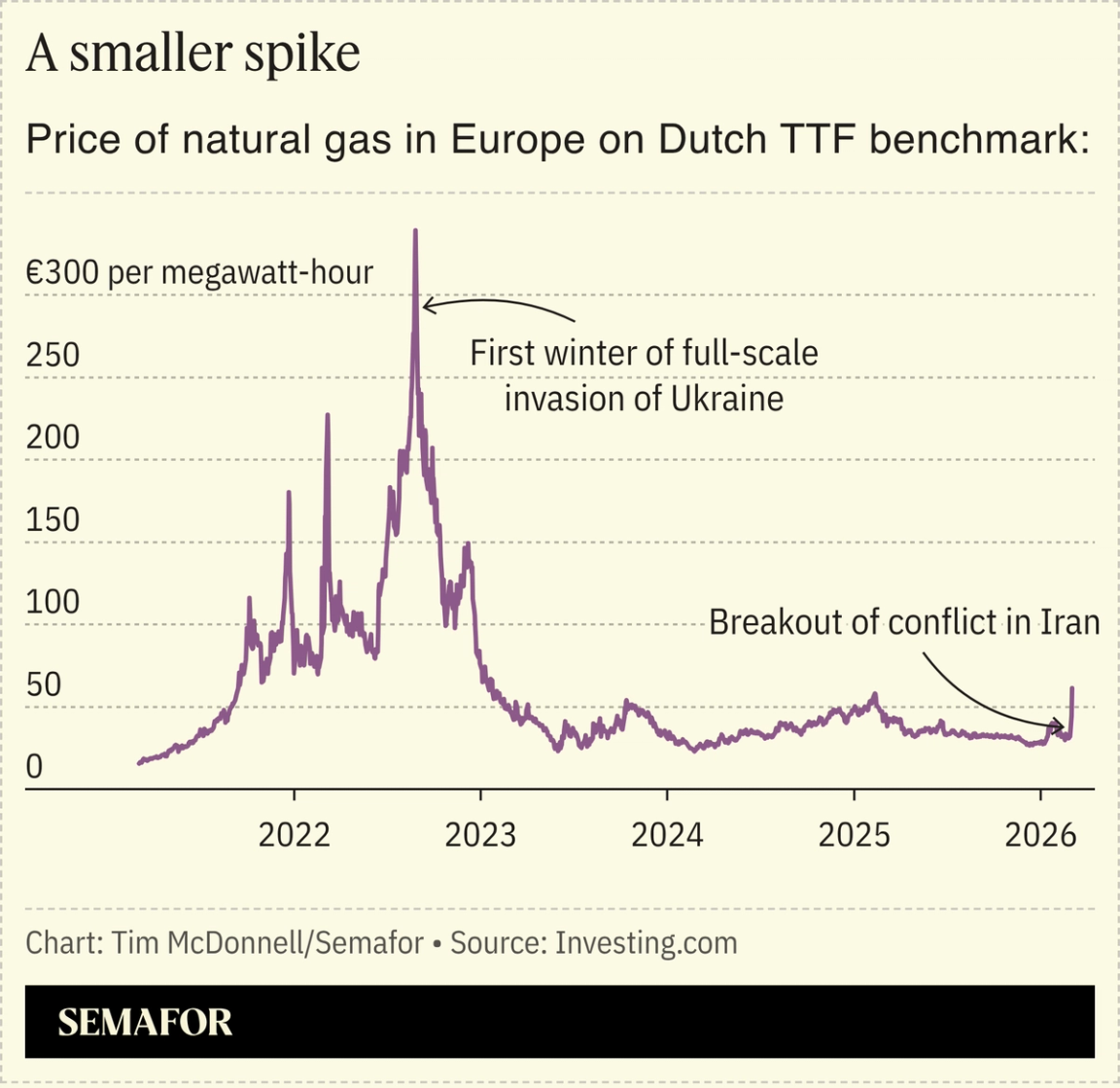 The Iran conflict is creating a windfall for US natural gas exporters, Semafor’s Tim McDonnell writes. Gas prices in Europe jumped more than 20% on Tuesday after Qatar said it had suspended operations at the Ras Laffan LNG export facility, the world’s largest, following drone attacks. That’s the biggest spike in European energy prices since the 2022 Russian invasion of Ukraine. And, like then, this latest disruption will pit European and Asian LNG buyers against each other, to the benefit of US exporters. The gas market doesn’t have the same degree of supply flexibility as oil — there are few strategic reserves and little spare production or export capacity to fire up on short notice. The CEO of LNG exporter Venture Global, whose shares rose 20% Monday, told investors the company “stands ready to help keep the markets stabilized.” Shares of rival Cheniere Energy also jumped. |
|
Uber CEO: Robotaxi care is ‘trillion-dollar opportunity’ |
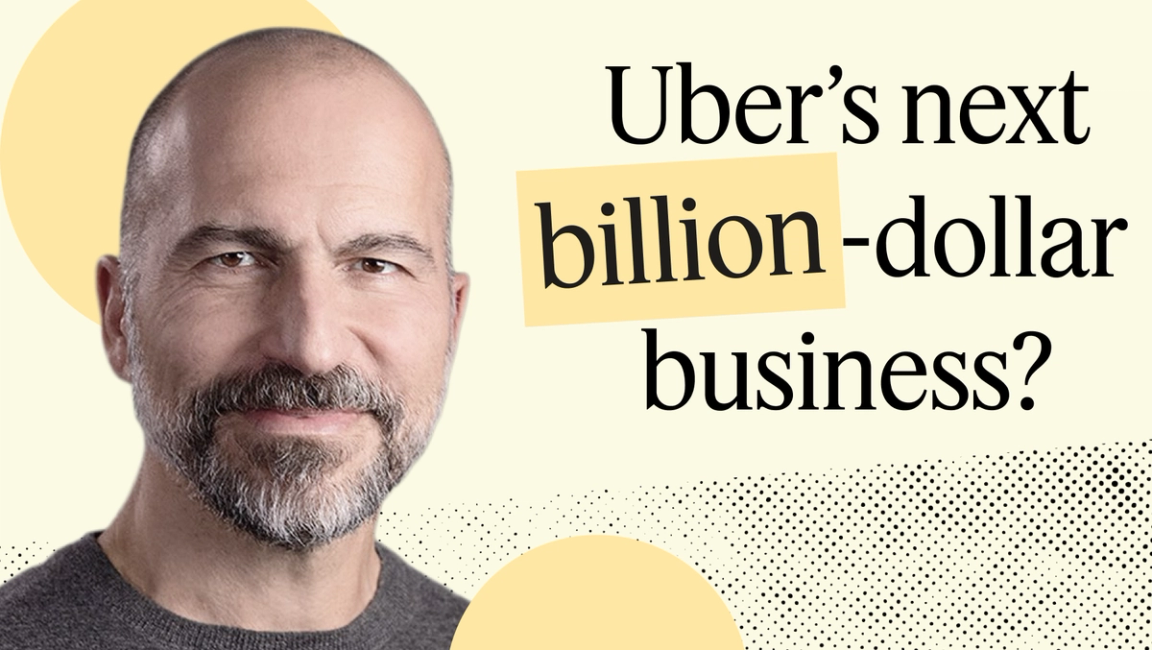 Semafor/YouTube Semafor/YouTubeUber CEO Dara Khosrowshahi sees a future of fully autonomous cars that need to be serviced, charged, repositioned, kitted out, insured, financed, and washed. Even if the job of driving cars goes away, “these are very, very sophisticated machines that need lots of tender, loving care,” he said on the inaugural episode of Semafor’s Compound Interest podcast. “All of the jobs other than their driving have to be done, even more so, in an autonomous world.” Khosrowshahi believes Uber will be the wraparound servicer for self-driving fleets “owned by big financial institutions, the Blackstones of the world” in major markets. “We think this is another trillion-dollar-plus opportunity,” he said. The future is wide open enough for everyone to have a piece. And the savings from replacing human drivers can probably be shared generously enough to keep partners happy: Khosrowshahi said he’s comfortable keeping Uber’s 20% take of bookings where it is and that the “vast majority of the economics” will go to the rest of the ecosystem. |
|
 Financial headlines can feel overwhelming. Get calm, clear insights — without the fear — from The Daily Upside. Some call it the closest thing to earning your MBA in Cambridge. Join 1 million subscribers who trust The Daily Upside. Subscribe for free today. |
|
A test is coming for the $20B LBO nerves |
 Dado Ruvic/Illustration/Reuters Dado Ruvic/Illustration/ReutersA giant slug of debt for the largest leveraged buyout in history is about to hit a very nervous market. JPMorgan bankers are pitching investors this week in Miami on $20 billion of debt supporting Silver Lake and Saudi Arabia’s $55 billion takeover of Electronic Arts, people familiar with the matter said. It’s the biggest single ask of the LBO debt market since 2008, and it comes at a twitch moment. AI-driven fears around software, which accounts for as much as 40% of private-equity buyouts, have sapped appetite for loans and forced bankers to offer steep discounts to move debt off their books. (JPMorgan is struggling to sell $5.3 billion of debt backing another software buyout, which investors have indicated interest in the low 90-cents-on-the-dollar range, an unusually steep discount.) There’s cash available for pristine credit with credible AI narratives. One person familiar with the EA financing said that a half-dozen of JPMorgan’s biggest clients have already said they’d be interested in buying up to $1 billion of the debt each. But question marks that would have been brushed aside a few months ago are now driving steep discounts. “We had 10 years of this trope of ‘no one ever loses money lending to software,’” said Jefferies’ Jason Greenberg. “Now [interest] rates are higher, 100% of the cash flow is getting eaten up paying interest expense, and oh by the way, the companies aren’t growing.” |
|
 The Gulf has transformed from a bustling economic hub to the front line of a major war. Iran’s retaliatory strikes have hit bases and airports across the region. The Gulf’s cities have gone quiet, their airports grounded and streets empty as residents take shelter. The US-Israel assault that killed Iran’s supreme leader has unleashed a new and unpredictable phase of conflict. For the Gulf, the illusion of distance from regional turmoil has been put on hold. Energy markets are bracing for volatility, diplomacy is strained, and the region’s stability is under pressure. Semafor Gulf is here to help you make sense of it. Four times a week, editor Mohammed Sergie and our team across Abu Dhabi, Dubai, and Riyadh will connect you with what’s happening on the ground, and how it affects business, energy, and diplomacy — bringing clarity to the most consequential story in the world. |
|
➚ BUY: SEC. Mississippi lawmakers passed a bill to exempt student athletes from taxes on their endorsement earnings. Ole Miss star QB Trinidad Chambliss looks set to make $5 million next year after winning an additional year of eligibility in a lawsuit against the NCAA. ➘ SELL: CFTC. As federal regulators take a largely hands-off approach to the booming prediction markets, Trump’s former chief of staff is heading a new lobbying group pushing tougher oversight. “I love the CFTC, but they’re not set up to do this,” Mick Mulvaney told WIRED. |
|
|


