|
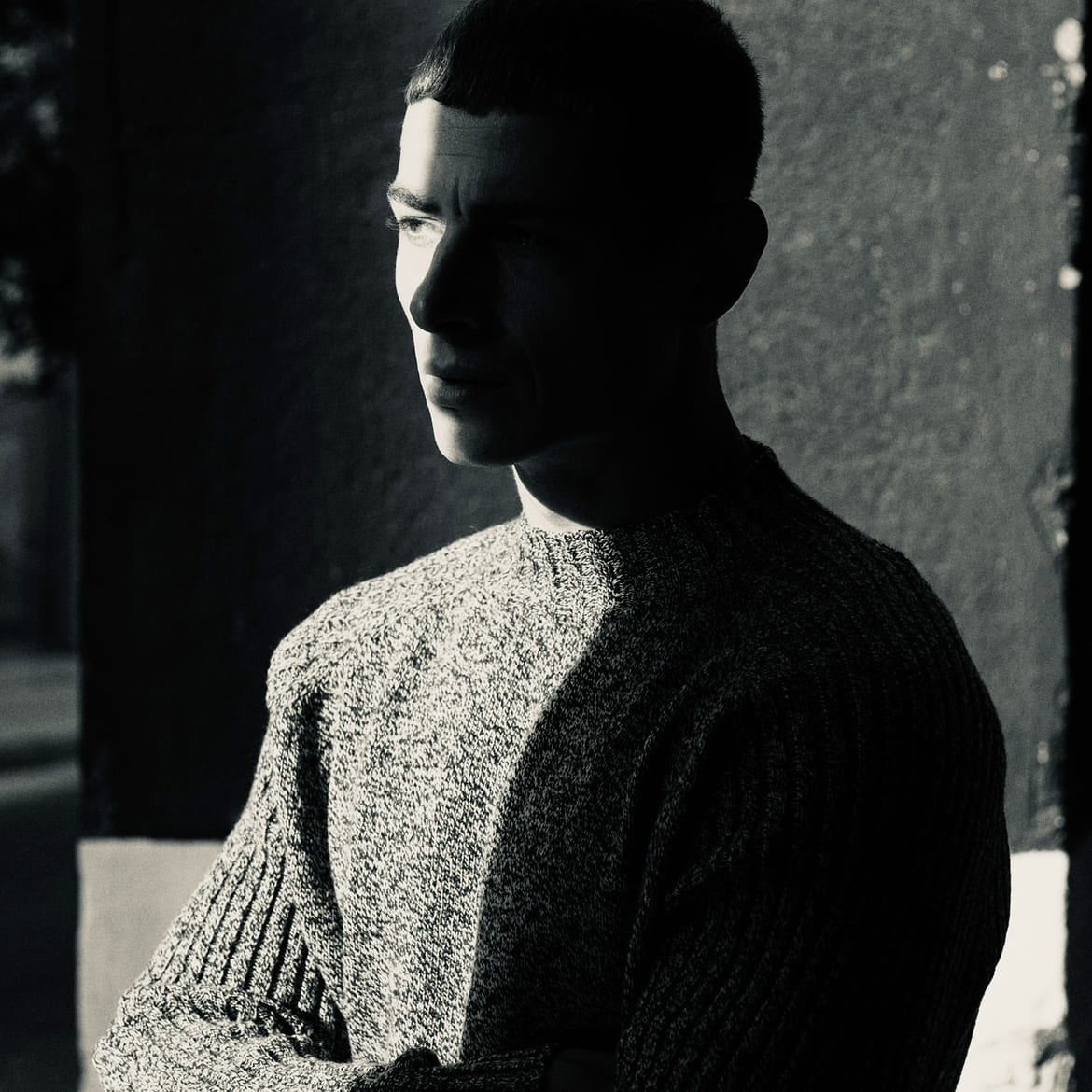


For most of my life I thought I was doing masculinity correctly.
No one handed me a manual, but the rules were obvious. Do not cry. Do not complain. Do not look unsure. Win quietly. Lose even more quietly. If something hurts, absorb it. If something breaks, fix it alone. If you cannot fix it, hide it.
I became very good at that game.
From the outside I looked disciplined. I trained hard. I worked hard. I handled my problems. People would have described me as driven, resilient, focused. No one would have described me as vulnerable. That word felt dangerous. Vulnerable meant exposed. Exposed meant weak. Weak meant replaceable.
So I built armour.
The armour looked productive. Early mornings. Heavy lifts. Big goals. Controlled emotions. I told myself this was strength. I told myself that being calm under pressure meant I had mastered myself. In reality I had just mastered suppression.
When my father died, there was no template for how a boy processes something like that. The message was simple even if nobody said it out loud. Be strong for everyone else. Do not make it worse. Do not add to the chaos with your feelings. So I learned to compress grief into something small enough to carry without anyone noticing.
Years later that compression was still there. It just showed up differently.
It showed up as irritability when I was overwhelmed. It showed up as shutting down in relationships instead of explaining what I felt. It showed up as pushing myself harder whenever I felt out of control, as if more discipline could silence anxiety. It showed up as an inability to say I am not okay without feeling like I had failed at being a man.
That is the part nobody talks about when they defend traditional masculinity. They point to responsibility, protection, leadership. Those are good things. Necessary things. But they ignore the cost of teaching boys that their inner world is a liability.
When you tell a boy that anger is acceptable but sadness is not, he will convert everything into anger. When you tell him his value is in performance, he will panic the moment he feels average. When you tell him he must not need anyone, he will struggle to keep anyone.
I have sat with men who can run businesses, lead teams, endure physical pain without flinching, and still cannot articulate what they feel when they are alone at night. Not because they are incapable, but because they were never given permission to practice.
We call this strength.
But strength that cannot tolerate honesty is fragile.
The hardest conversations of my life were not in boardrooms or gyms. They were in quiet rooms where I had to admit I was exhausted. Where I had to say I was scared of failing. Where I had to acknowledge that some of my discipline was actually avoidance. Avoidance of grief. Avoidance of insecurity. Avoidance of the fear that if I stopped performing, I would not be enough.
Toxic masculinity is not about men being bad. It is about men being conditioned.
Conditioned to equate dominance with worth. Conditioned to see vulnerability as a threat. Conditioned to believe that love must be earned through output. Conditioned to think that asking for help lowers their status.
That conditioning creates men who look strong and feel alone.
It creates fathers who provide financially but struggle emotionally. It creates partners who are loyal but distant. It creates high achievers who cannot rest without guilt. It creates men who would rather implode privately than risk being seen as weak publicly.
I do not think masculinity is the problem. I think fear is.
Fear of being rejected by other men. Fear of disappointing women. Fear of being ordinary. Fear of not measuring up to a standard nobody clearly defined but everyone seems to enforce.
Real strength, I have learned slowly and sometimes painfully, is not emotional shutdown. It is emotional regulation. It is being able to feel anger without becoming destructive. It is being able to feel sadness without collapsing. It is being able to admit you need support without feeling humiliated.
The men I respect most now are not the loudest or the most dominant. They are the most honest. They can apologise without defensiveness. They can say they were wrong. They can talk about their childhood without turning it into a joke. They can sit in discomfort instead of escaping it.
That is not softness. That is maturity.
If we want fewer men burning out, exploding, numbing themselves, or ending their lives, we have to stop romanticising emotional suppression as strength. We have to raise boys who know that courage is not the absence of fear but the willingness to face it. We have to model a version of masculinity that includes depth, not just discipline.
I spent years trying to be unbreakable.
What actually changed my life was learning how to be honest.
Not impressive. Not invincible. Honest.
If this resonated with you, share it with a man who needs to hear it. Start the conversation you have been avoiding. And if you are ready to build a version of masculinity that is disciplined, grounded, and emotionally whole, subscribe and follow along. We are not here to tear men down. We are here to rebuild them properly.
You're currently a free subscriber to Oliver Orlandini. For the full experience, upgrade your subscription.
| ||||||||||
|
