| | Marco Rubio strikes a politer tone at the Munich Security Conference, Bangladesh charts a new politi͏ ͏ ͏ ͏ ͏ ͏ |
| |  | Flagship |  |
| |
|
The World Today | 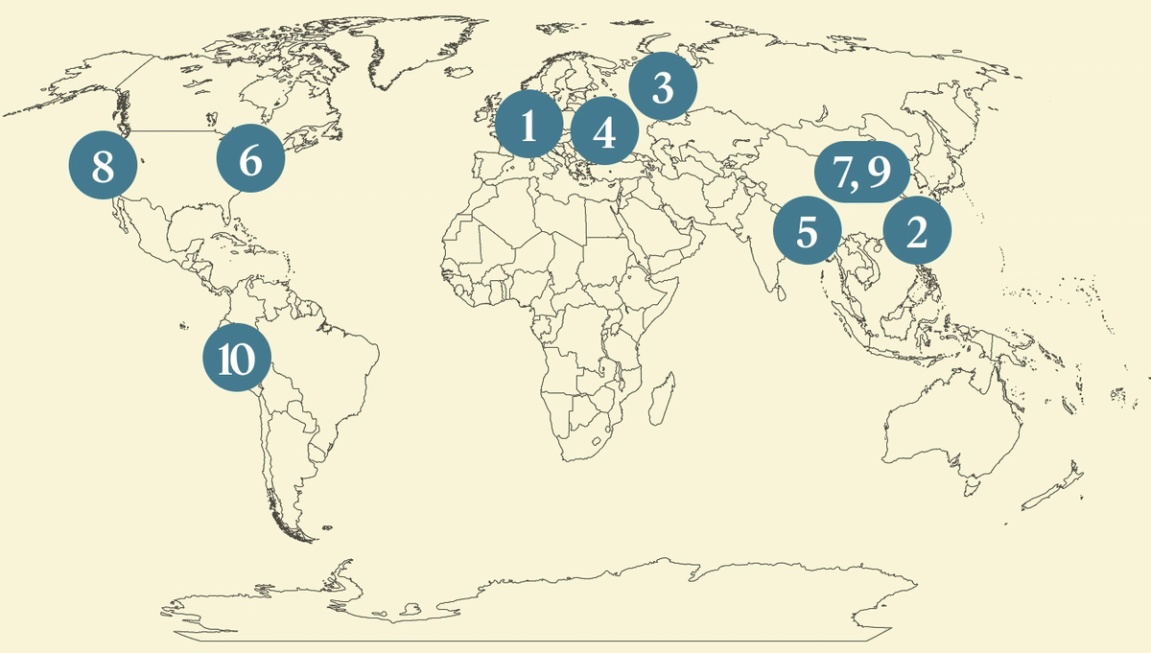 - Rubio’s softer tone on Europe
- US, Taiwan ink trade deal
- New Navalny revelation
- Ukraine to export arms
- Bangladesh charts its future
- Trump claims economic wins
- China’s one-person companies
- How AI boosts productivity
- Wave of bots hits the web
- New Machu Picchu airport
 The longest-running American sitcom hits another milestone. |
|
Rubio strikes polite tone in Munich |
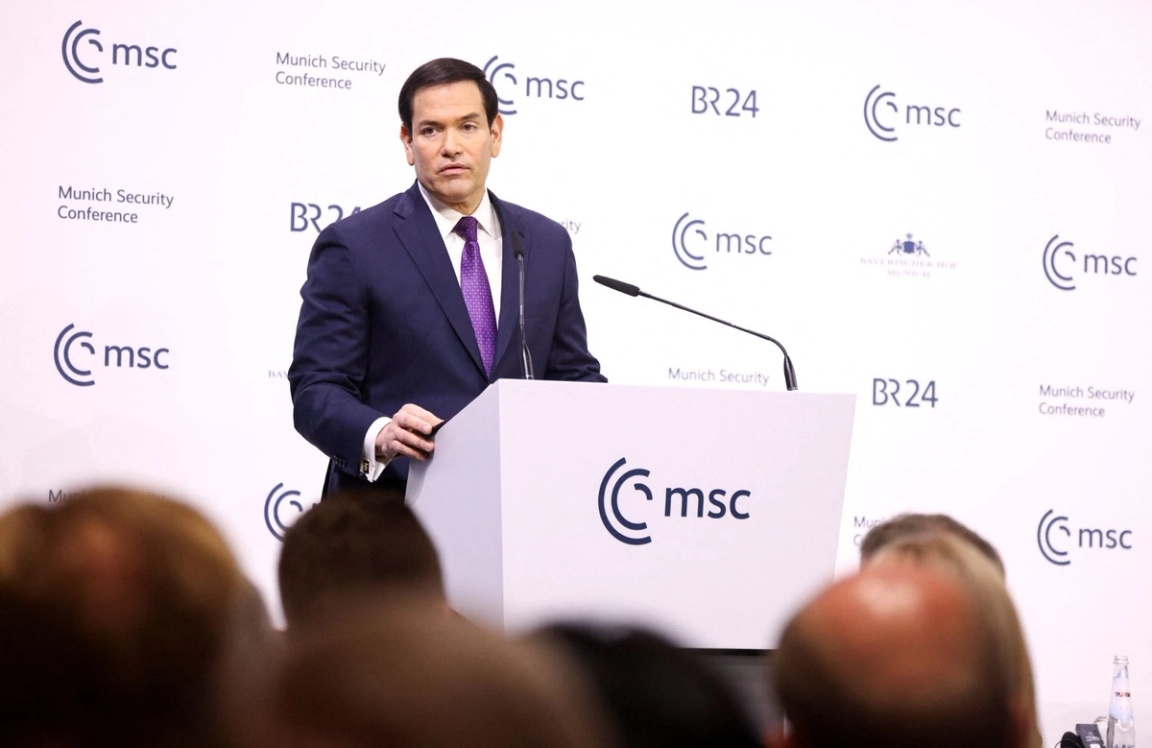 Liesa Johannssen/Reuters Liesa Johannssen/ReutersWashington’s top diplomat on Saturday emphasized that the US is not looking to abandon the transatlantic alliance — so long as Europe shifts closer to the American worldview. Speaking at the Munich Security Conference, Secretary of State Marco Rubio stressed the deep historical ties between the US and Europe. One year after Vice President JD Vance excoriated European leaders and accused them of sidelining far-right parties, Rubio’s politer tone came as a relief to many in the audience. But analysts say Rubio’s remarks, which still contained many of Vance’s talking points, won’t be enough to stop the EU from “de-risking” from US volatility. “Much of it was old wine in a new bottle, slightly more chilled,” Foreign Policy wrote. |
|
US-Taiwan ties get dose of stability |
 Ann Wang/Reuters Ann Wang/ReutersThe US and Taiwan inked a trade pact to slash tariffs and bolster semiconductor supply chains, as the island tries to step up its defense spending in the face of threats from China. The agreement provides a “needed boost to the stability of US-Taiwan ties,” Politico wrote, as some China hawks in Washington fear the Trump administration is toning down its commitments to Taipei to avoid antagonizing Beijing, which sees Taiwan as a breakaway province it will eventually absorb. Washington is pressuring the island to commit more to its own defense: Taiwan’s leader, who is looking to pass a $40 billion special military budget, warned that a legislative deadlock over the funds could push Taipei down on the US’ priority list. |
|
Europe: Navalny poisoned by frog toxin |
 Evgenia Novozhenina/Reuters Evgenia Novozhenina/ReutersRussian opposition leader Alexei Navalny died in prison after being poisoned by a frog toxin, five European countries said Saturday. Their finding, based on samples from Navalny’s body, marked the “most concrete Western accusation yet” that Russian authorities killed him in 2024, The New York Times wrote; Moscow said he died of natural causes. The UK is mulling fresh sanctions on Russia, as European leaders more urgently stress the threat posed by Moscow ahead of the Ukraine war’s four-year anniversary. The US, meanwhile, has grown less antagonistic toward Russia. Washington didn’t join the Europeans’ report on Navalny’s death, and Secretary of State Marco Rubio scarcely mentioned Russia at the Munich Security Conference. |
|
Ukraine issues arms export licenses |
 Ukraine’s Volodymyr Zelenskyy holds a jointly-made German and Ukrainian drone. Thilo Schmuelgen/Reuters Ukraine’s Volodymyr Zelenskyy holds a jointly-made German and Ukrainian drone. Thilo Schmuelgen/ReutersUkraine greenlit its first wartime licenses for arms producers to export their goods, as Kyiv aims to strengthen alliances during its fifth year of war. Ukraine has more than 1,000 defense companies, Reuters wrote, some of which have partnered with European firms; this weekend, Kyiv unveiled the first German-built Ukrainian drone. Kyiv has been forced to build its own missiles, which can now reach Russian territory, Bloomberg noted. Across the Atlantic, the US has also made selling weapons to allies a priority: The Pentagon recently announced new deals with US manufacturers to make more Tomahawk missiles and other munitions, though the West’s ability to surge wartime production remains “amateurish at best,” former Google CEO Eric Schmidt wrote in the Financial Times. |
|
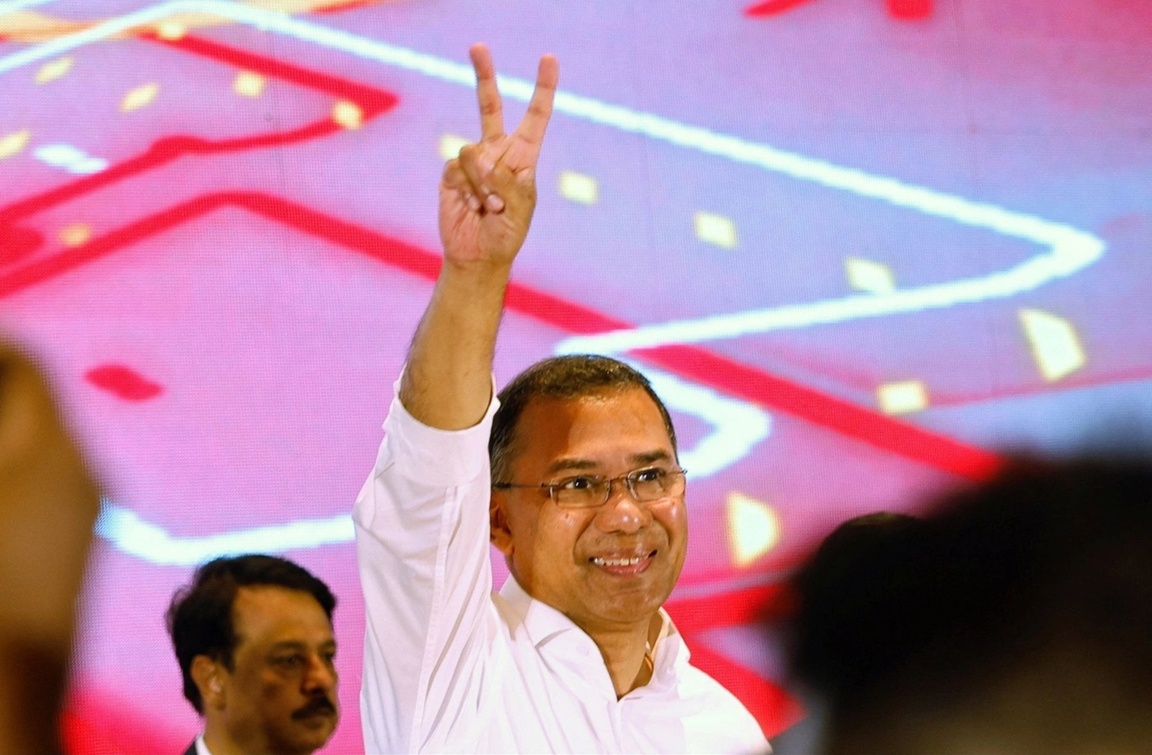
Bangladesh election could reset India ties |
|
Trump claims victory on economy |
 Elizabeth Frantz/Reuters Elizabeth Frantz/ReutersThe White House is claiming victory on the economy after two solid reports, but experts warned the data masks deeper vulnerabilities. Inflation came in surprisingly soft on Friday, just after a labor market report showed higher-than-expected growth. Axios deemed it “the Goldilocks economy — neither too hot nor too cold, so long as you don’t focus on the details.” Indeed, the jobs figures showed health care accounted for much of the growth, while spending data pointed to a widening “K-shaped” economy, in which lower-income households are struggling while those with higher incomes spend more. Polls show public attitudes about the economy have yet to match US President Donald Trump’s optimistic assessment, a dynamic that also beset his predecessor, Joe Biden. |
|
China backs one-person companies |
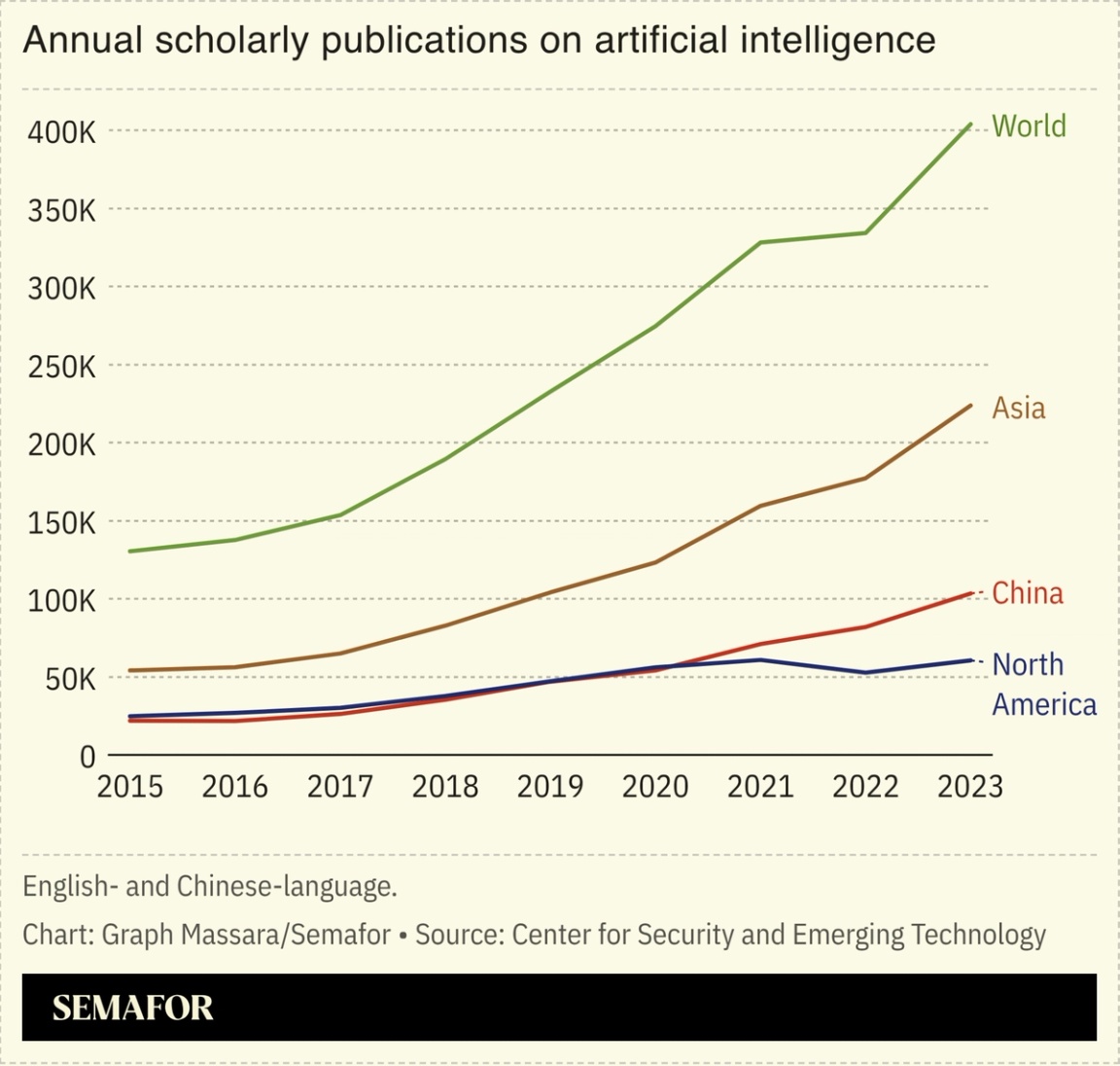 Local governments in China are betting that one-person companies — powered by AI — can fuel growth and innovation. Since December, at least five cities have rolled out incentives and services to support the so-called OPCs, which are each managed by a single founder who uses AI tools to run the entire business, Caixin Global reported. The government programs, which offer help ranging from office space to computing power, reflect China’s fast and fierce embrace of the tech and the race to find market demand for AI applications. Chinese businesses care less about how “smart” an AI model is, and instead prioritize reliability, control, and the ability to integrate it into existing systems to improve productivity, CNBC wrote. |
|
 China’s ascent is far more than a domestic story — over the past 50 years, it has steadily transformed global markets, technology, and international affairs. In today’s world economy, China is woven into every industry and influences trade and policy decisions across the globe. To provide clear context on China’s sweeping impact on deals, policies, and the emerging global order, Semafor is launching its flagship China Briefing. Authored by Pulitzer Prize-winning journalist Andy Browne, Semafor China will deliver original reporting, expert analysis, and sharp insight into how China is reshaping the world around us. Subscribe for free here. |
|
AI boosts worker productivity |
AI may cost jobs in the long term, but at the moment it is making employees more productive, research suggested. An eight-month study of employees at a US tech company found that AI made it easier for workers to start new projects and to take on unfamiliar responsibilities. The study also found that employees often worked longer hours as doing so felt more rewarding. The study was small and had no control group, so skepticism is necessary, but AI’s productivity boost seems real: A 2023 study found ChatGPT use in writing reduced time per task by 40% and improved output quality by 18%, while another study on software developers found a 26% increase in completed tasks. |
|
Mysterious bot traffic sweeps web |
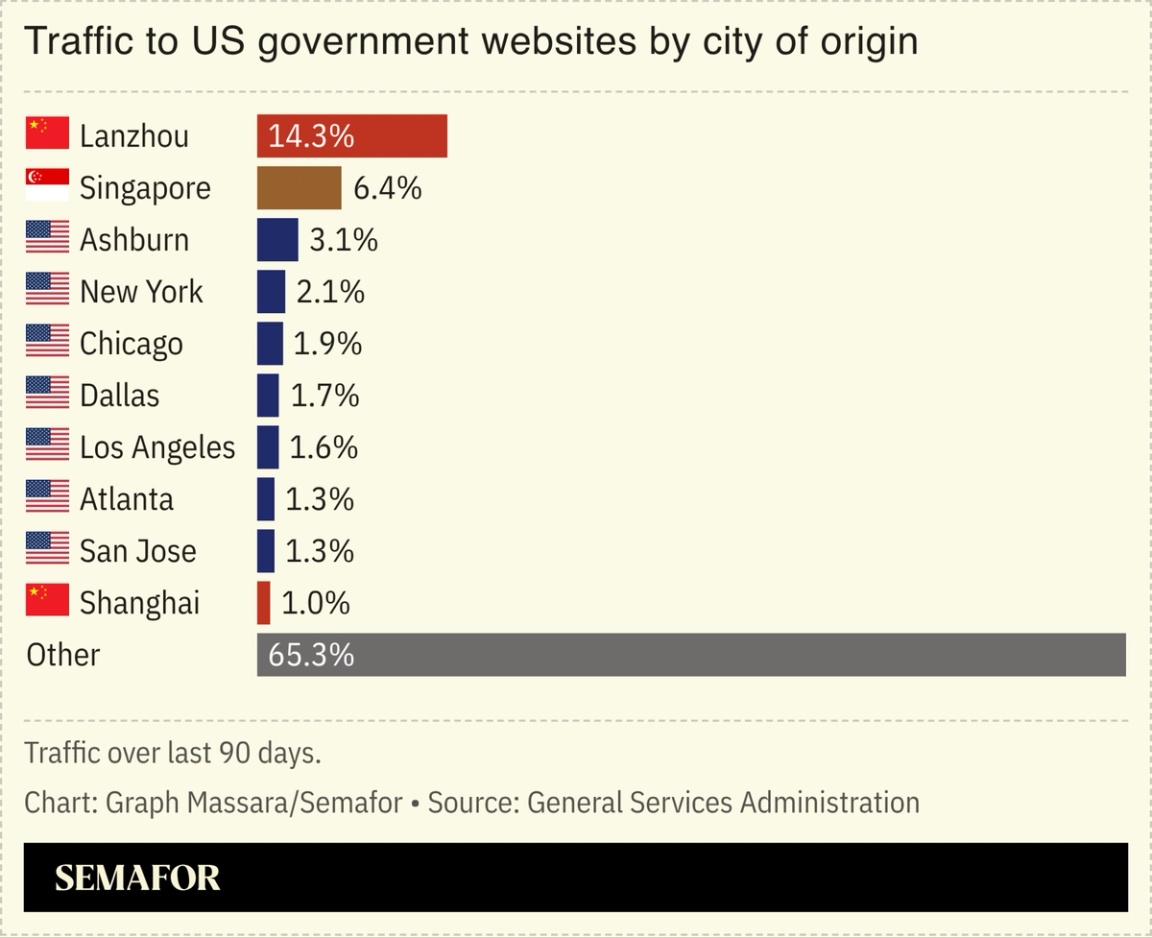 A mysterious wave of bot traffic is coursing through the World Wide Web. In recent weeks, websites large and small have seen dramatic spikes in visitors with IP addresses in Lanzhou, China — a manufacturing-heavy city that’s not known as a tech hub — with some of the visits routed through Singapore. The two cities accounted for one-fifth of the traffic to US government websites in the last three months. Experts are puzzled about why the bots seem to be coming from Lanzhou, though WIRED reported that many are worried companies could be harvesting web data, including copyrighted material, to train AI models. “This is the cost of being on the internet to some degree,” one tech security analyst said. |
|
New airport near Machu Picchu coming |
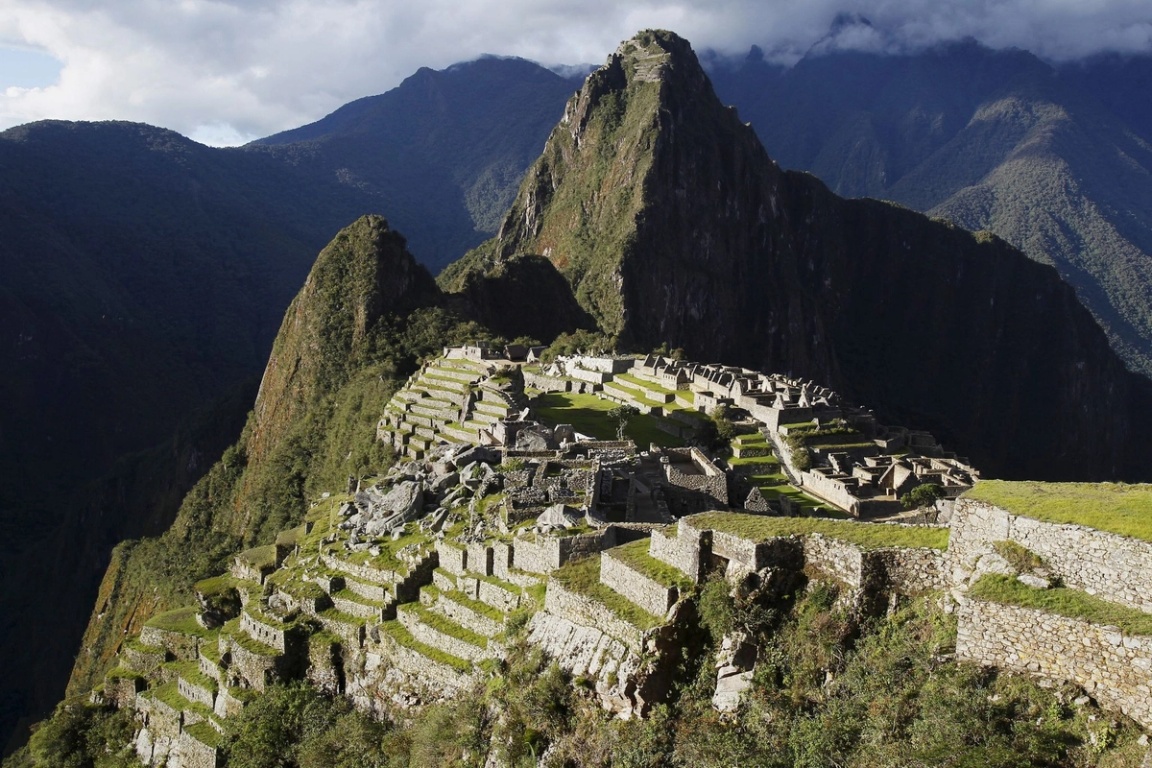 Enrique Castro-Mendivil/Reuters Enrique Castro-Mendivil/ReutersPeru is building an international airport closer to Machu Picchu, potentially increasing the benefits and the harms of tourism. The 15th-century Incan citadel is presently at least a day’s journey from the nearest airport, but the new airport, due to open next year, would shave hours off that time. The site is Peru’s most-visited, with 1.5 million tourists a year, and the new airport could double that and provide |
|
|