
According to new Harvard studies… the #1 cause of your back & hips pain is NOT age, posture, or injuries.
It’s actually THIS forgotten "survival muscle":
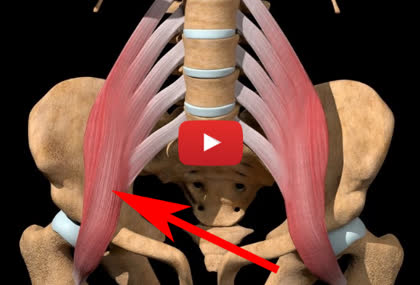
When THIS muscle gets tight, it "pulls" your pelvis out of its natural position - leading to stabbing low back & hip pain every time you move.
Fortunately, there’s a simple 12-second "leg stretch" to fix this.
It can unlock this "survival muscle" and STOP your pain naturally. And it’s even Harvard-approved:
This "leg stretch" ENDS low back & hip pain in 12 seconds.

ks erode or weather over a long period of time, mainly by water and wind, and their sediments are transported downstream. These sediments continue to break apart into smaller pieces until they become fine grains of sand. The type of rock the sediment originated from and the intensity of the environment give different compositions of sand. The most common rock to form sand is granite, where the feldspar minerals dissolve faster than the quartz, causing the rock to break apart into small pieces. In high energy environments rocks break apart much faster than in more calm settings. In granite rocks this results in more feldspar minerals in the sand because they do not have as much time to dissolve away. The term for sand formed by weathering is "epiclastic". Sand from rivers are collected either from the river itself or its flood plain and accounts for the majority of the sand used in the construction industry. Because of this, many small rivers have been depleted, causing environmental concern and economic losses to adjacent land. The rate of sand mining in such areas greatly outweighs the rate the sand can replenish, making it a non-renewable resource. Sand dunes are a consequence of dry conditions or wind deposition. The Sahara Desert is very dry because of its geographic location and proximity to the equator. It is known for its vast sand dunes, which exist mainly due to a lack of vegetation and water. Over time, wind blows away fine particles, such as clay and dead organic matter, leaving only sand and larger rocks. Only 15% of the Sahara is sand dunes, while 70% is bare rock. The wind is responsible for creating these different environments and shaping the sand to be round and smooth. These properties make desert sand unus