The man behind the Winter Olympics opening ceremony, UAE diplomacy and Switzerland’s Hotel Bellevue des Alpes.
|
Wednesday 4/2/26
|

|
|
London
Paris
Zürich
Milan
Bangkok
Tokyo
Toronto
|
|
|
|

Good morning from Midori House. For more news and views, tune in to Monocle Radio. Here’s what’s coming up in today’s Monocle Minute:
THE OPINION: Brazilian Carnival is big business
DIPLOMACY: Meet the man in the middle of global crises
DAILY TREAT: Peak hospitality at Hotel Bellevue des Alpes
FROM MONOCLE.COM: Want to plan an opening ceremony? We’ve got just the guy
|
|
Carnival is serious business as Brazilian cities battle to be the biggest and the best
By Catherine Balston
|
Brazil’s biggest party is just days away. Right now, revellers across the country are stocking up on glitter, body paint and fishnet tights. They’re putting the final touches on new costumes or shaking out old ones before the country grinds to a halt for Carnival. Held in the days running up to Lent, from 13 to 18 February this year, it’s a moment of collective catharsis when anything goes. From carefully choreographed samba school parades and
blocos (roving street parties) to VIP balls, the celebrations come in myriad guises but are all shaped by creativity and tradition, and best approached with stamina and a sturdy pair of trainers.
Carnival looks like wild hedonism to most but it’s also serious business. This year’s festivities are tipped to generate R$14.48bn (€2.32bn) in revenue and welcome 1.42 million tourists from abroad, both figures up 4 per cent on 2025, according to the National Confederation of Commerce of Goods, Services and Tourism (CNC). It’s a short window where big sponsorship deals are done, flights sell out, hotels run close to capacity and roughly 39,000 temporary jobs are created nationwide. With these sorts of gains up for grabs, Brazil’s major cities have been turning up the heat in their bids to host the biggest and best Carnival – and attract the greatest share of the 50 million or so partygoers who turn out across the country.
For the uninitiated, it might come as a surprise that Carnival is celebrated well beyond Rio. Sure, the picture postcard city has a long history with the event. It also bags the most global press coverage with photos of its “samba queens” – bikini-clad beauties with giant feathered headdresses, each representing a samba school competing in Rio’s official parade, hosted at a purpose-built “Sambadrome”. But Carnival is, in some shape or form, enjoyed in most Brazilian cities.
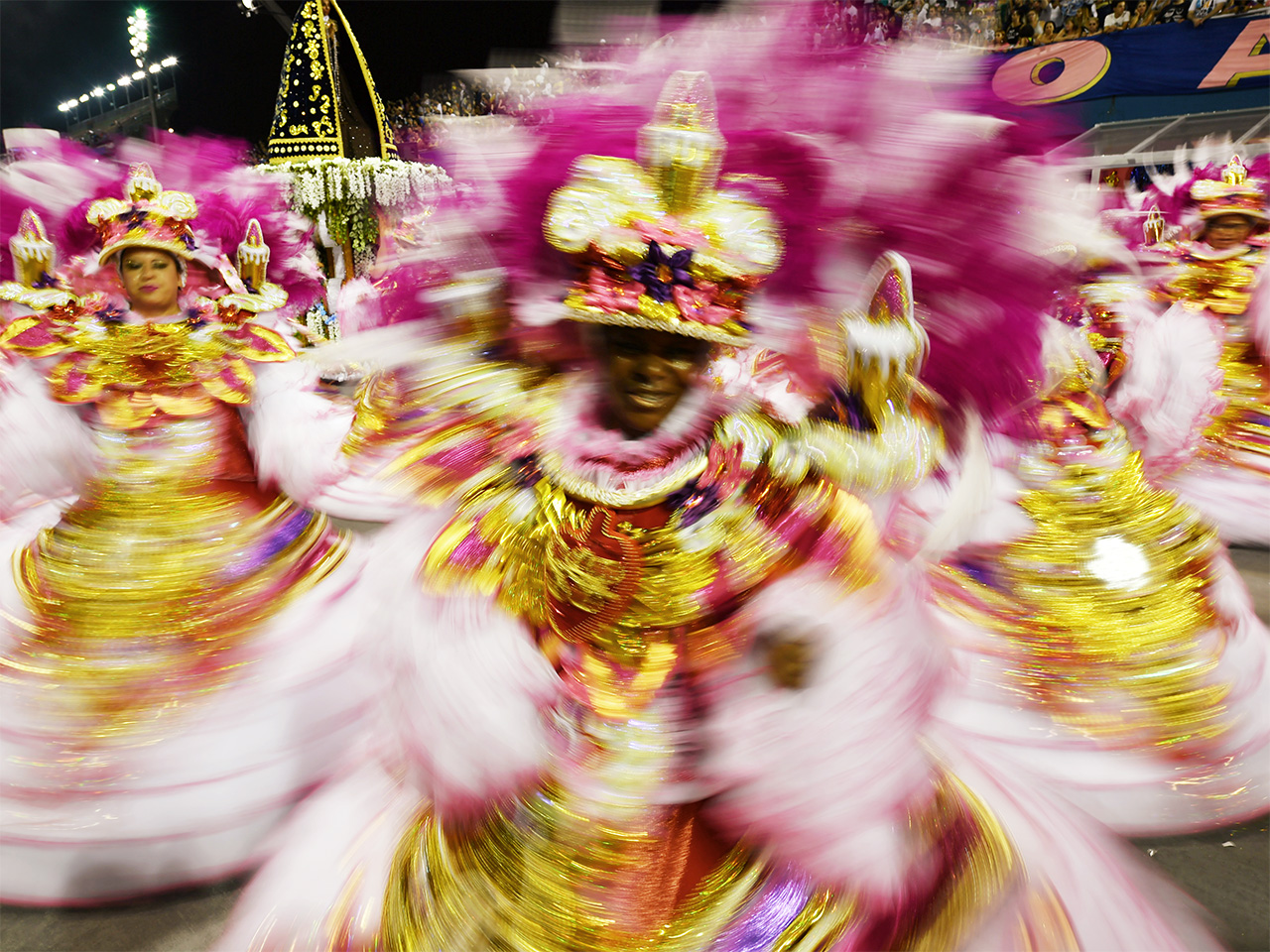
In the pink: Brazilian cities prepare to cash in on Carnival
São Paulo – never to be outdone by its rival Rio – also has its own Sambadrome and official samba-school parade. In recent years, it has also begun to compete with Rio in the number of
blocos, which can range from small groups of ragtag musicians marching around the streets to
megablocos with hulking sound trucks that draw crowds of half a million or more. In 2020, São Paulo beat Rio’s street Carnival in the number of registered
blocos for the first time ever: 644 to 453 – a lead that it has maintained in the years since.
Once the place where Brazilians visited precisely in order to escape the festivities, São Paulo now promotes itself as having the largest street Carnival – a claim that rubs other cities up the wrong way. Last year an online post by São Paulo City Hall went viral after announcing “the biggest street Carnival is coming soon”. Official City Hall profiles from Recife, Olinda and Salvador – three of the most iconic spots to celebrate, steeped in Northeastern traditions and rhythms – chimed in with wry comments. “Shall I count or will you?” wrote Salvador’s City Hall account.
São Paulo’s recent victory by
bloco numbers is a fairly facile metric for success. Recife and Olinda – twin cities in Pernambuco state – are famed for their traditions, which were granted protected legal heritage status in 2025 (a nod to their cultural importance and also a way to access federal funding). Their street parties are rooted in musical traditions such as
frevo, whose choreography calls for jumps, crouches and the spinning of colourful umbrellas.
Carnival in Salvador, the capital of Bahia state, was also granted protected legal heritage status last year. There,
blocos represent the city’s distinct Afro-Brazilian heritage while giant, glitzy sound trucks carry some of the country’s biggest musical stars.
Cultural heritage is a big calling card for the likes of Salvador and Recife, especially during Carnival when revenues spike; both cities predict the festivities will inject more than R$2.6bn (€497m) into the local economy. São Paulo is projecting marginally higher revenues but nowhere near Rio’s estimated R$5.7bn (€924m). If true, will Rio claim victory as Brazil’s biggest Carnival? The metrics war will play out on different battlegrounds in the coming weeks. But whoever claims the crown, one thing is certain: a good time will be had by all.
Catherine Balston is a São Paulo-based journalist and writer. For more insight and analysis, subscribe to Monocle today. Further reading? Here's how French comedian Paul Cabannes has taken Brazil by storm.
|
|
HITACHI ENERGY
 MONOCLE MONOCLE
|
|
diplomacy: uae
Neutrality is not passive: Dr Anwar Gargash explains the UAE’s diplomatic stance
In a week when many capitals have traded threats, Abu Dhabi has quietly played host to trilateral talks between Washington, Moscow and Kyiv (writes Inzamam Rashid). At the World Governments Summit in Dubai, Dr Anwar Gargash spoke to Monocle Radio about why the UAE now occupies that narrow diplomatic space – and why the world increasingly needs it.

Man in the middle: Dr Anwar Gargash
Gargash, diplomatic adviser to the UAE president and a central figure in brokering last week’s unprecedented US-Ukraine-Russia meeting, frames the breakthrough as the product of long-term credibility rather than opportunism and confirms that a second round is due in Abu Dhabi “in a few days”. When Russia invaded Ukraine in February 2022, the UAE chose to uphold international law, while refusing to sever relations with either country. “Everybody wanted us to take sides,” he says. “Our argument was clear: what we really want to do is to be helpful.” That approach, which attracted heavy criticism at the time, has since delivered results. Abu Dhabi has facilitated the exchange of more than 4,000 prisoners between Russia and Ukraine and maintained open channels with all three capitals.
To hear more from Gargash about Iran, diplomacy and how neutrality is far from passive, tune in to yesterday’s episode of ‘The Briefing’ or read the rest of Rashid’s story here.
|
|
• • • • • DAILY TREAT • • • • •
Check in to another world at Hotel Bellevue des Alpes
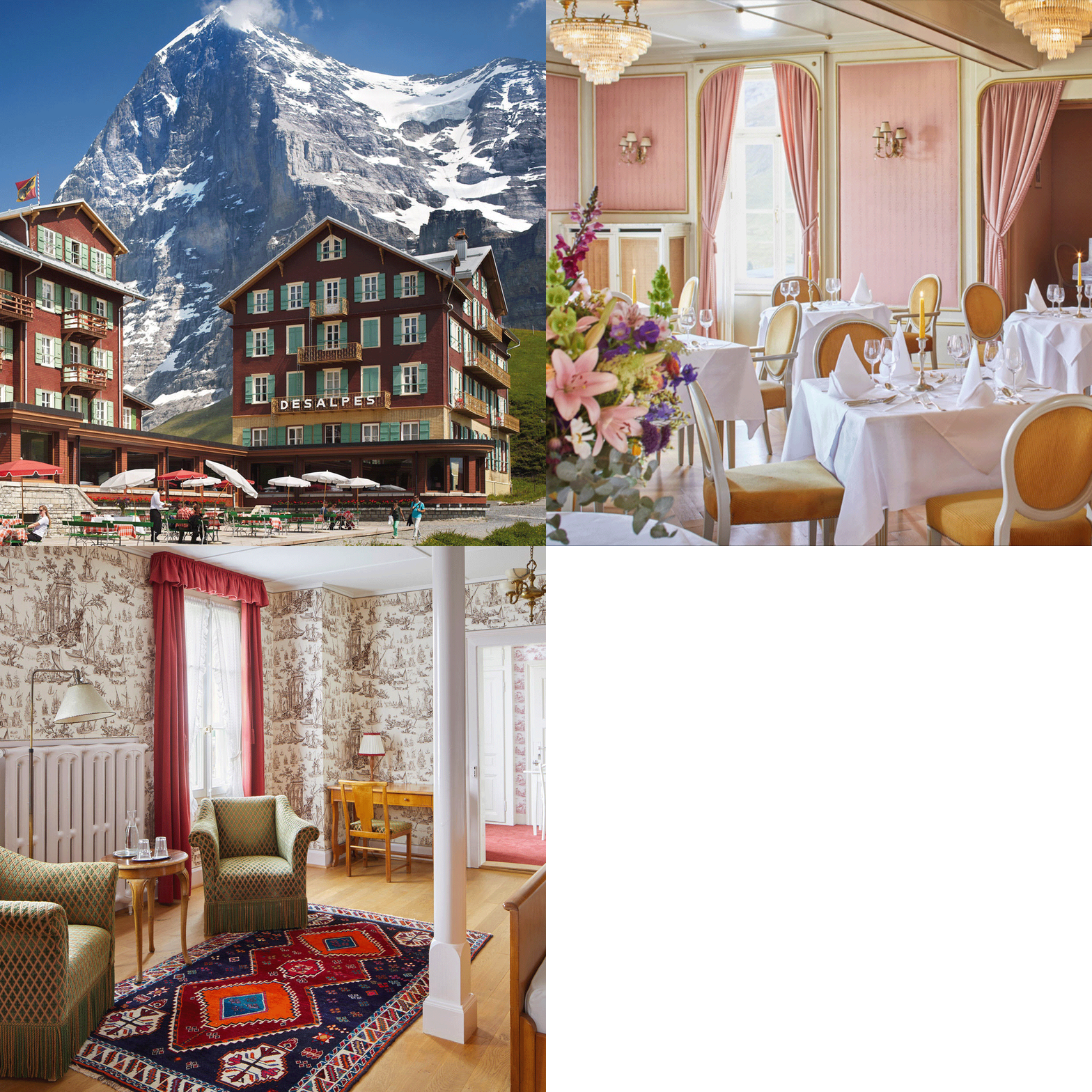
The picturesque mountain pass of Kleine Scheidegg gets busy in high season. Skiers hurtle down the slopes; daytrippers spread out in front of cafés, sipping on coffees and glühwein. But step through the heavy wooden doors of the family-run Hotel Bellevue des Alpes and the chaos of the outside world quickly melts away.
Mouthwatering plates of rösti and linguine alle vongole are served in shaded dining rooms; the lobby is a plush affair with Persian rugs and a crackling fire; and rooms in the 60-key hotels look out onto mountain peaks and snow-laden valleys. Book in for a winter weekend to enjoy fondue at lunchtime, champagne in the snow and a chance to soak up the world’s last glimmers of 19th-century glamour.
scheidegg-hotels.ch
|
|
|
Sponsored by Hitachi Energy
|
|
|
|
|
|
FROM MONOCLE.COM: italy
Marco Balich on crafting the Milano Cortina Winter Olympics opening ceremony
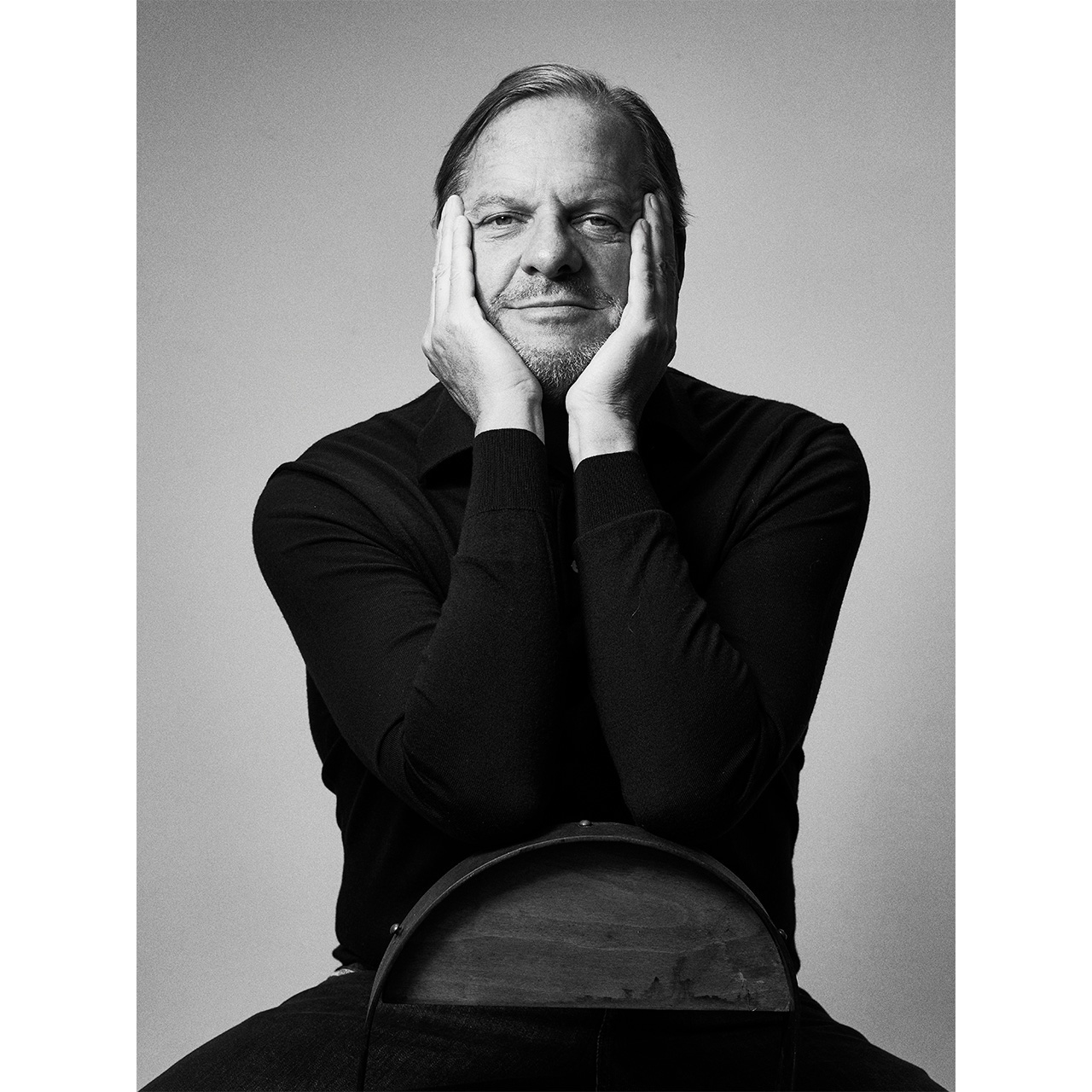
Given that it is being held across four locations (Milan’s San Siro stadium, Cortina, Predazzo and Livigno), the opening ceremony of the 2026 Olympic Winter Games on 6 February has an added layer of complexity (writes Ed Stocker). This might explain why Marco Balich is at his desk, studying a piece of paper outlining all the different competing nations and their athletes’ locations, when Monocle meets him.
Balich, the creative lead for the Winter Olympics Opening Ceremony, is working in an office down a cobbled side street in Milan’s Brera neighbourhood. Balich Wonder Studio might not be a household name but its importance to international ceremonies watched by huge global audiences is hard to overstate.
| | | | |