Thanks for reading The Briefing, our nightly column where we break down the day’s news. If you like what you see, I encourage you to subscribe to our reporting here.
Greetings!
It’s a good thing Jeff Bezos started Amazon as an internet-based retailer. He might never have made it as a traditional shopkeeper! Amazon on Tuesday said it would shutter its chain of Amazon Fresh and Amazon Go grocery stores, closing a chapter in its fitful efforts to expand in physical stores. Amazon still owns the Whole Foods chain it bought in 2017, which the company says it will be expanding. But for now, it seems Amazon is focusing most of its grocery ambitions online, such as its new fast-delivery service, Amazon Now. (As a side note, can you imagine being on the team at Amazon tasked with coming up with new brand names? Amazon Go, Fresh, Now, Prime, and so on and so on!)
It would be churlish to criticize Amazon for the various twists and turns of its Amazon Fresh adventures. After all, one of the company’s great strengths is its willingness to make mistakes and not get bogged down in recriminations later. But just keeping straight the current strategy for Amazon groceries is a full-time job. Conceived before the pandemic, Fresh was initially meant to create a network of stores that could both help with delivery of online grocery orders and offer lower prices than Whole Foods for shoppers. Some Fresh stores also initially used new technology—Amazon’s vaunted “Just Walk Out” tech—that could eliminate checkout lines.
The technology piece in particular was a laudable aim. Who hasn’t stood in line at a grocery store checkout and fumed at the failure of the industry to innovate? Automated checkouts are great, but the idea of walking out without checking out is even better. Unfortunately, as Amazon found, the technology brought with it lots of problems, which didn’t help Fresh’s prospects. Then there was the pandemic, which scrambled things in retail, temporarily killing consumers’ desire to buy in a store. After the pandemic, Amazon tried to reboot Fresh, without the tech and with brighter colors in the stores. The results, the company says, were good—but what has proved more popular with consumers has been its array of online grocery-delivery services. Understandably, Amazon is opting to invest more money in those offerings. That makes sense. Online orders are, after all, in the company’s DNA. (As a side note, my colleague Ann Gehan predicted Amazon would close the Fresh stores this year).
This raises the question of why Amazon continues to dabble in bricks-and-mortar stores at all. For instance, why keep Whole Foods? Well, it’s obviously got a better brand name. And the company tells me the chain is delivering bigger increases in revenue than Fresh. It also gives Amazon a chance to continue testing new tech (love the palm readers!). Then there’s the question of why Amazon is now trying out a big-box format. In Amazon’s telling, those stores, one of a couple of “new physical store experiences” it is trying, reflect its desire to experiment. Amazon seems to be following the old adage: If at first you don’t succeed, try, try again.
TikTok’s Legal Exit
TikTok, the app that you might say exemplifies addictive social media, settled the first bellwether lawsuit regarding social media addiction on Tuesday morning, just as the case was due to go to trial. Snap settled last week, so TikTok’s settlement leaves just Meta Platforms and Google’s YouTube as defendants.
The lawsuit is the first of thousands of cases to be tried, each designed to test whether social media companies can be held liable for allegedly addictive product designs plaintiffs say are causing a mental health crisis among youth. The first case on the docket was brought by a now-20-year-old girl from Chico, Calif., who is alleging that her social media addiction contributed to depression and suicidal thoughts. That’s certainly bad optics for the two companies. Meta CEO Mark Zuckerberg and Instagram head Adam Mosseri are both expected to testify in court, where they will be grilled over decisions they made on safety.
YouTube spent its pretrial briefing last week trying to convince journalists it should be considered a streaming platform, not a social media company, and now it’ll be the sole co-defendant alongside Meta, the plaintiffs’ biggest target. For that reason, it’s not crazy to think YouTube could settle at any moment. But lawyers I spoke to say it’s unlikely the plaintiffs would let Meta in particular off the hook by agreeing to settle, given the weight of the evidence against it (helped along by the documents initially leaked by Frances Haugen, the Facebook whistleblower).
Regardless, there’s another trial due to start shortly after this one finishes, expected in a couple months. TikTok and Snap remain defendants in that and other cases. As we explained on Monday, once the first few cases are resolved, both sides are likely to use the outcome to fashion a global settlement covering all of the cases.—Erin Woo
In Other News
• Meta Platforms plans to test premium subscriptions on its apps in the next few months, TechCrunch reported. The subscriptions would offer access to exclusive features, including “expanded AI capabilities,” TechCrunch said.
• As more tech executives weigh in on the weekend’s fatal shooting by federal immigration agents in Minneapolis, OpenAI CEO Sam Altman told staff this week that he believes “ICE is going too far,” according to a copy of the internal memo published by The New York Times’ DealBook.
• The average price to ride in Waymo’s robotaxis has dropped 3.6% since March to $19.69 per ride, according to a new report by ride-hailing analytics firm Obi. Meanwhile, Uber and Lyft have raised their average prices.
• Pinterest said Tuesday it will lay off up to 15% of its employees, or around 700 staffers, as part of a restructuring to put more resources toward AI-focused projects.
• Moonshot AI, a Chinese large-language model developer, released its new foundation model, Kimi K2.5, saying it excels in coding as well as understanding visual data.
Today on The Information’s TITV
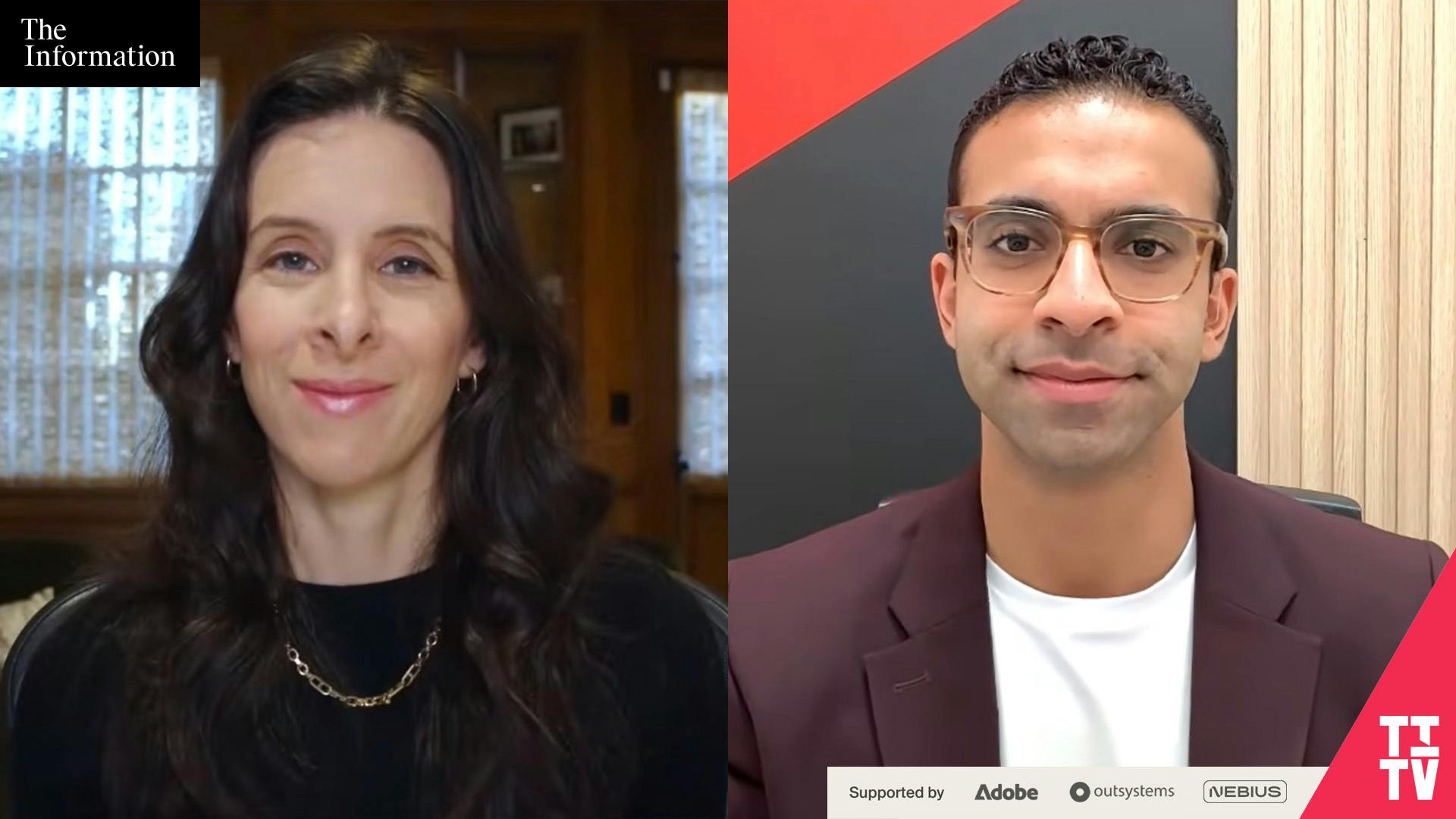
Check out our latest episode of TITV in which editor in chief Jessica Lessin offers her thoughts on the current political debates consuming Silicon Valley.
Recommended Newsletter
Start your day with Applied AI, the newsletter from The Information that uncovers how leading businesses are leveraging AI to automate tasks across the board. Subscribe now for free to get it delivered straight to your inbox twice a week.
Join The Information Founder and Editor-in-Chief Jessica Lessin for a subscriber-only live session drawing on her reporting from the World Economic Forum in Davos.
Join The Information for an intimate, two-day experience at Indian Wells, where tech leaders, investors, and innovators come together around a shared love of tennis. Request an invite today.