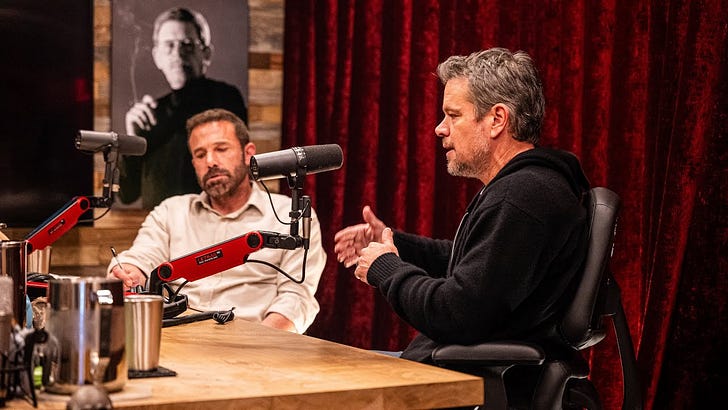
Netflix management used its Q4 2025 earnings call to outline a long list of new offerings: Video podcasts, live events outside the U.S., cloud gaming expansion, vertical video feeds, theatrical distribution, and the acquisition of Warner Bros. and HBO.
The list is long. Every item is a new content category or a new interface layer. Live requires appointment viewing. Games require launching a different experience on TVs or a different app on smartphones and tablets. Vertical video requires a smartphone. Theatrical—which Netflix now embraces after years of dismissing it—requires leaving the house and does not require a device at all.
None of this changes the underlying architecture. All of it adds surface area to the same recommendation engine.
The sprawl has a cause, reflected in an emerging theme in its comments to shareholders: “All hours of engagement are not the same.” View hours grew only 2% in the back half of 2025. Netflix built separate “quality” metrics because raw watch time does not capture whether viewers are captivated or merely present. The algorithm cannot distinguish between the two.
So Netflix compensates with volume, hoping that more content variety drives engagement the recommendation engine can read.