Who gets to decide whether oil companies have to pay for their role in coastal destruction?
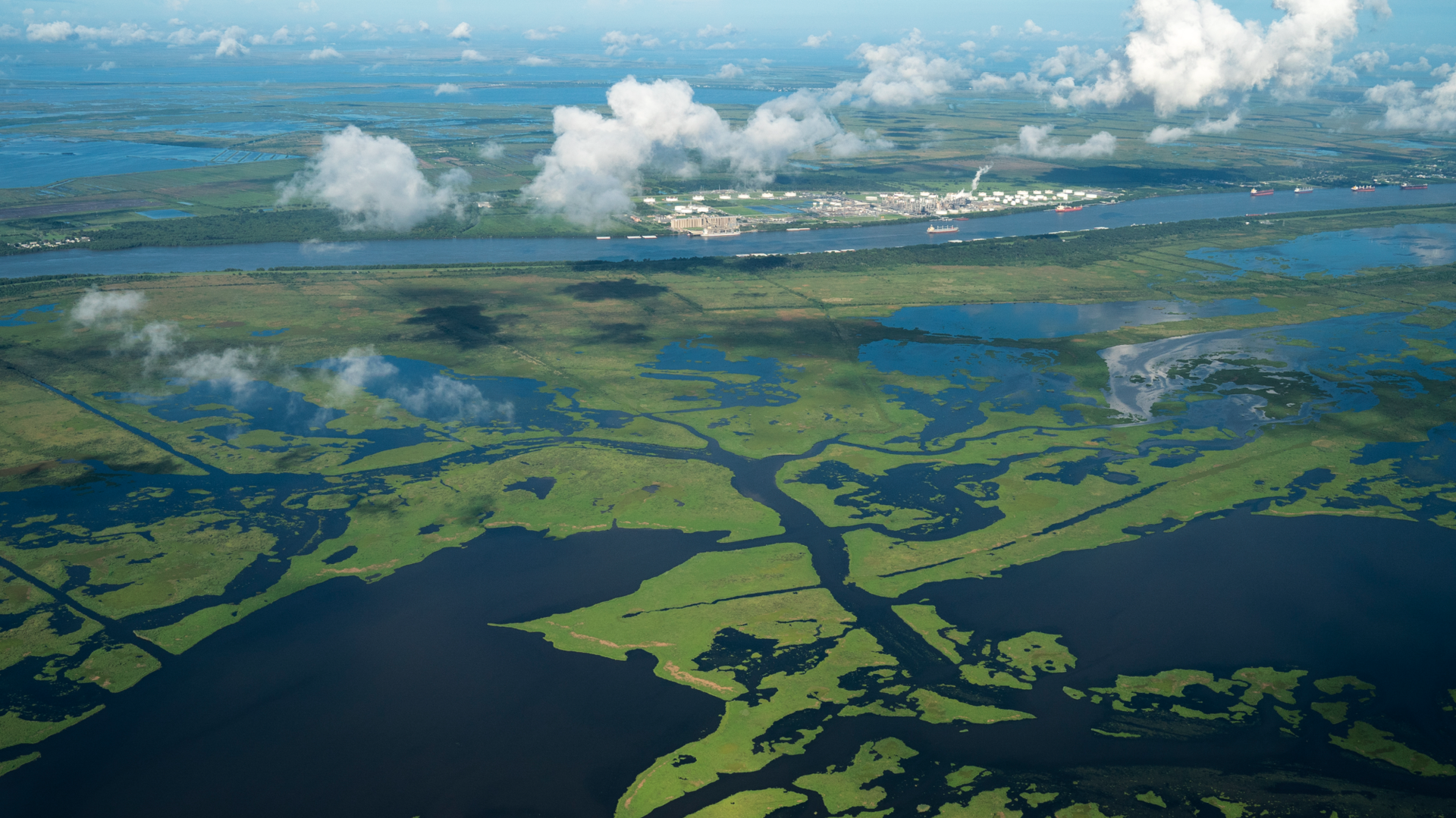
That’s the big question at the center of Chevron USA, Inc. v. Plaquemines Parish, a case that my colleague Marianne Lavelle and I wrote about this past week for Inside Climate News. It stems from a landmark $745 million verdict handed down by a Louisiana jury in April 2025, wherein jurors found Chevron liable for decades of erosion of the state’s coastline and wetlands. It and other oil companies appealed the verdict all the way to the US Supreme Court, which heard arguments in the case on Monday.
Chevron’s lawyers argued that the litigation should have been heard in federal court, not state court, given that its oil production, which stretches back to the WWII era, was sometimes conducted at the encouragement and direction of the US government. Lawyers for the Louisiana parishes counter that the case was tried correctly because it dealt with the violation of a 1978 Louisiana coastal management law, not any federal statute.
The legal issue may seem mundane, but venue matters: Experts say the oil industry views the federal courts as more receptive to the argument that fossil fuel firms are owed some protection from liability because of their role in national security. And the outcome could affect the fates of dozens of other, similar lawsuits.
The Chevron case also raises fresh questions about the financial conflicts of Supreme Court justices. Justice Samuel Alito, who has reported fossil fuel investments worth nearly a quarter-million dollars, recused himself from final consideration of the case only after participating in the court’s decision to hear the appeal.
However the court rules, Louisiana will likely keep losing land to erosion. It has lost more than 2,000 square miles in the last century, and scientists expect the trend to continue. Check out our coverage.
—Lee Hedgepeth