It’s Wednesday, December 24. This is The Front Page, your daily window into the world of The Free Press—and our take on the world at large. Today: Why Gen-Z New Yorkers are heading to church, the festive traditions under attack in Europe, the China hawks rattled by Donald Trump’s rhetoric, and much more.
But first: Israel takes stock after a year unlike any other.
Vertigo. That’s the word The Free Press’s Jerusalem-based columnist Matti Friedman chooses to describe the feeling at the end of Israel’s 2025 in his essay for us today. You might think Israelis would be experiencing some kind of optimism, or at least relief, as the year draws to an end. There is a ceasefire in Gaza and the hostages are free, “the closest thing possible to a resurrection of the dead.” The country is dusting itself down after 12 months that have contained every extreme of human emotion.
But, Matti writes, “2025 seems less like the end of something than the beginning of something else—of a new era for Israel and beyond, in which the old order no longer applies.”
Read Matti’s latest dispatch to understand the mood in Israel at the end of a bewildering year—and where the country is heading next.
Here in the U.S., 2025 has seen more debate over America’s relationship with Israel than in decades. That’s true on both the left and the right—with the divides among conservatives on display at the Turning Point USA conference over the weekend. The most prominent critic of U.S.-Israeli ties is the podcaster Tucker Carlson. Speaking at the Qatari-government-funded Doha Forum earlier this month, he dismissed Israel as a “completely insignificant country” and asked of our relationship with the Jewish state: “What are we getting out of this?”
In The Free Press today, Mike Doran offers his answer to that question.
—The Editors
The Real War on Christmas |
|
|
|
 |
|
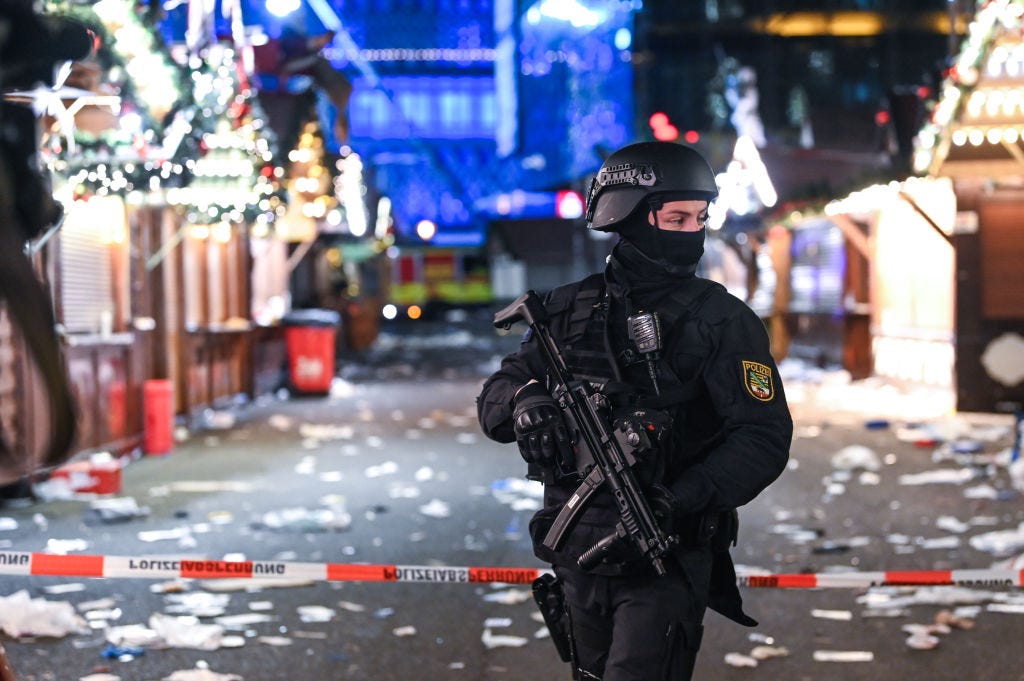
In Germany this year, Christmas markets are festooned with concrete barriers and armed police. In Paris, the New Year’s Eve party on the Champs-Élysées has been canceled. Across the continent, centuries-old traditions have become a pretext for Islamist violence. In our latest editorial, we tackle the real war on Christmas, and what should be done about it. | | |
|
WATCH: What Drives Gen Z to Church? |
|
|
|
 |
|
Why is Gen Z turning to God? That’s the question at the heart of a new video by Tanya Lukyanova, introduced by Free Press assistant editor Josh Code. As part of our America at 250 series on faith in the United States, they unpack the youth revival at the churches in New York City with lines out the door during the Christmas period. | | |
|
And in case you missed it, do read the launch essay of this America at 250 series, in which Meir Soloveichik recounts how faith fueled the American Revolution, and inspired a radical idea: that human equality rests on divine authority, not political power:
Trump’s China Shift Rattles Hawks in Congress |
|
|
|
 |
|
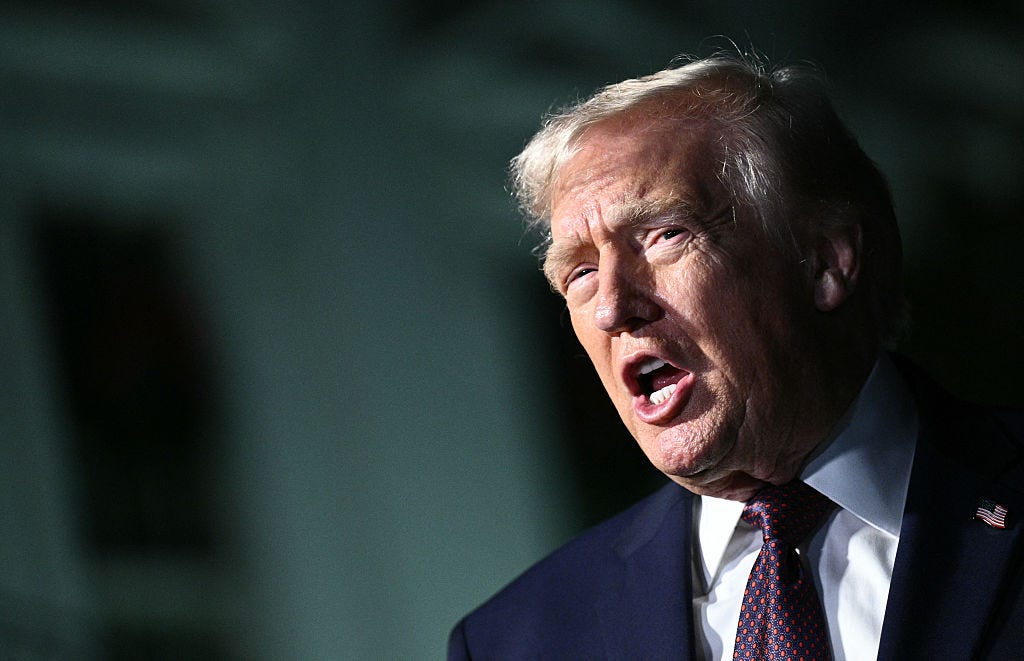
John Moolenaar has an important job. The Michigan Republican is the chairman of the House Select Committee on the Chinese Communist Party. Being the lawmaker overseeing our contest with our greatest geopolitical foe isn’t easy at the best of times. It’s made harder by President Trump’s ever-shifting stance on China. Moolenaar talks to Frannie Block about his crackdown on Chinese influence—and why the president is complicating things. | | |
|


