
Dear,
We all know that our cells divide every minute of our life
That’s how they reproduce.
The question is – how healthy are our new cells?
Inside of each cell is a power plant. If those power plants are running like a formula 1 race car…
…your new cells are strong, healthy, and robust.
Everything you need to know is Click here to find out how to do it…
There is an enzyme that determines how healthy those power plants are.
And in today’s world, with toxins, fake food, and fake chemicals assaulting us at every corner…
…this enzyme gets burned up.
But when you build it back up, the results are shocking.
"I was going to stop taking statins because of the pain.
Now that I’ve got THIS SPECIAL ENZYME, my levels are up again"
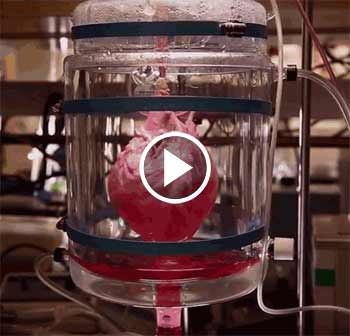
Click here to grow a younger heart and brain in the next few months…
Yours Truly,
Freddie

e is a perennial plant with an elongated stem, or trunk, usually supporting branches and leaves. In some usages, the definition of a tree may be narrower, e.g., including only woody plants with secondary growth, only plants that are usable as lumber, or only plants above a specified height. Wider definitions include taller palms, tree ferns, bananas, and bamboos. Trees are not a monophyletic taxonomic group but consist of a wide variety of plant species that have independently evolved a trunk and branches as a way to tower above other plants to compete for sunlight. The majority of tree species are angiosperms or hardwoods; of the rest, many are gymnosperms or softwoods. Trees tend to be long-lived, some trees reaching several thousand years old. Trees evolved around 400 million years ago, and it is estimated that there are around three trillion mature trees in the world currently.
A tree typically has many secondary branches supported clear of the ground by the trunk, which typically contains woody tissue for strength, and vascular tissue to carry materials from one part of the tree to another. For most trees the trunk is surrounded by a layer of bark which serves as a protective barrier. Below the ground, the roots branch and spread out widely; they serve to anchor the tree and extract moisture and nutrients from the soil. Above ground, the branches divide into smaller branches and shoots. The shoots typically bear leaves, which capture light energy and convert it into sugars by photosynthesis, providing the food for the tree's growth and development. Trees usually reproduce using seeds. Flowering plants have their seeds inside fruits, while conifers carry their seeds in cones, and tree ferns produce spores instead. Trees play a significant role in reducing erosion and moderating the climate. They remove carbon dioxide from the atmosphere and store large quantities of carbon in their tissues. Trees and forests provide a habitat for many species of animals and plants. Tropical rainforests are am
