Welcome back to Buffering, where we really wish the media business would just simmah down … now. After our special bonus edition last Friday, we’re back this week with another jam-packed issue. We’ve got more thoughts on the battle between Netflix and Paramount over the future of Warner Bros. Discovery (or as I like to call it, Boss Baby vs. the Borg), as well as our Vulture scoop this week on what these deals might mean for Turner Classic Movies. My colleague Eric Vilas-Boas and I have some insights on Disney’s just-announced deal with OpenAI, including parallels to another blockbuster announcement Bob Iger made 20 years ago this fall. And as always, we start off with our Briefering section, which has the latest goings on at CBS News and in the world of late-night. Thanks for reading, and if you’re consuming all this media news, please remember to hydrate.
|
—Joe Adalian, Vulture's West Coast editor |
|
|
➼ Pretty Fly for Two White Guys: Bari Weiss’s extreme makeover of CBS News picked up steam this week with two major moves. With current CBS Evening News anchors Maurice DuBois and John Dickerson having jumped (or been pushed out) of their gigs, David Ellison’s woman on the inside tapped Tony Dokupil to take over as solo overseer of the chair once occupied by Walter Cronkite and Dan Rather. Dokupil — who will be the youngest of the three broadcast network anchors — hasn’t covered any world wars, nor has he spent decades chasing stories around the globe. But he does have almost a full … decade working as an on-air TV reporter/anchor, about half of it from the set of what is now known as CBS Mornings. Perhaps most importantly for Weiss, he’s shown a willingness to be rude to left-wing thinkers. Meanwhile, Weiss has also started recruiting new talent in her bid to make CBS News less woke or something, hiring ABC’s Matt Guttman, who’s perhaps best known for having been suspended over his false reporting about the helicopter crash that killed Kobe Bryant.
➼ The Week in Jimmy: Over in late-night, ABC quietly confirmed that Jimmy Kimmel — the subject of a little bit of news this fall — had decided to re-up with the network and will continue hosting his late-night show through at least mid-2027. I never thought Kimmel was going to completely walk away while Donald Trump was still in the White House, but the “cancellation” controversy a few months ago made his staying a lock, at least through next year’s mid-terms. As for the other Jimmy, NBC’s Fallon, having recently welcomed Fox News’s Greg Gutfeld, this week had on OpenAI’s Sam Altman, who made some embarrassing remarks about relying on ChatGPT to raise kids.
➼ And the Oscars Telecast Goes To… ABC’s deal for the Oscars is up in a couple years, which means the Academy is out there trying to gin up interest in a new broadcast agreement for the show. Late last week, Variety reported that both YouTube and NBC are both potentially interested in snagging the show from Disney’s network, but that ABC is also still interested (even though it’s already committed to spending a ton of money to steal away the Grammys from CBS starting in 2027). Whether all of this is just posturing by the Academy in order to get Disney to keep shelling out way too much for the Oscars, I don’t know. But given how much Comcast execs seem committed to spending billions on everything other than dramas and sitcoms for NBC, I guess I wouldn’t be surprised to see them commit to an awards show whose ratings are a fraction of what they used to be.
|
|
|
What OpenAI’s Disney deal means for Hollywood. |
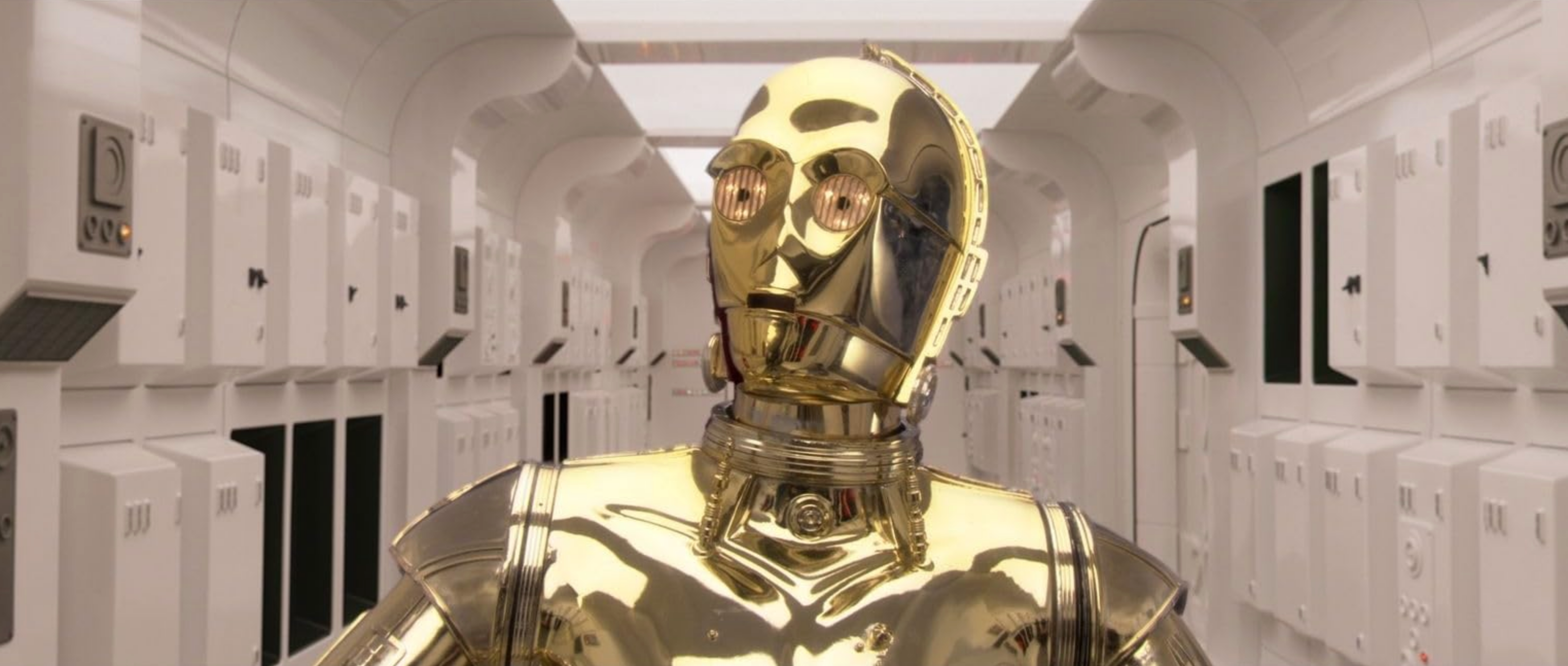
May the Force be with Sora, because the app is getting all the crown jewels of Star Wars, Marvel, and Disney. In a new deal, the Mouse has agreed to invest $1 billion in OpenAI in exchange for a three-year license to its intellectual property that would allow Sora users to make videos with Disney-owned characters, as well as proprietary models for stuff like the X-Wing and the Death Star.
Under the terms of the deal, more than 200 characters will be unleashed onto Sora from the Marvel, Star Wars, and Disney vaults, and a feed of Sora-generated videos will be added to Disney+. Additionally, the companies said, Disney will become a “major customer of OpenAI,” meaning all Disney employees will get access to ChatGPT, and that it will use the tech company’s APIs to create its own new “products, tools, and experiences, including for Disney+.” (Disclosure: Vulture and New York Magazine are owned by Vox Media, which has its own “strategic content and product partnership” with OpenAI.)
The move will shake the ground in Hollywood thanks to what it indicates for IP holders like Disney. It’s a major entertainment company choosing to play ball instead of fighting over the rules of the game. Disney undoubtedly looked at it as an opportunity to control its AI future — rather than see unauthorized versions of its IP run amuck online and issue takedown notices or fight lawsuits ad infinitum, as it has done against another AI player, Midjourney. Part of CEO Bob Iger & Co.’s calculus is probably that a presence on Sora will amount to organic marketing for its characters for a generation to come, some content restrictions aside. The agreement doesn’t include the use of talent voices and likenesses and will enforce “robust controls to prevent the generation of illegal or harmful content, to respect the rights of content owners in relation to the outputs of models.”
Will that be enough for the AI doomers and Disney creatives out there? Probably not. “It’s pretty baffling,” says Danny Lin, a storyboard artist for Disney and the president of the Animation Guild, for a brand known to be aggressively protective of its characters to hand them off to a third-party AI tool. “It feels like Disney throwing in the towel, rather than competing with these tech companies.” She adds: “Our members, the artists, technicians, and animators who created these iconic characters, are not being included in the conversation in terms of licensing compensation.”
You don’t have to go far on Bluesky or X to find the critics among those same animation professionals, either. Beyond the predictable backlash against the move, however, the deal raises several questions about the possible future it may portend for Hollywood and its relationship to AI.
➼ Will other entertainment companies make similar deals, now that Disney has forged this new partnership? How long will it be before IPs like Harry Potter, Bluey, Barbie, Shrek, and more are officially added to the Sora library? And it’s notable that Disney chose to invest and partner with OpenAI — raising the ascendant tech company’s value further — rather than extract a simpler licensing fee. Would a Netflix or Paramount (one of them fresh off a Warners acquisition, perhaps) make a similar bet? It may have been a surprise in 2023 when OpenAI first started making content deals with news publishers, but in 2024, the company struck 11 such deals. This could very well kick off a similar wave.
➼ Are Sora and OpenAI making a play for Hollywood? Sam Altman wouldn’t be the first tech mogul to try to shake up Tinseltown with a radical new product or business model, and a Disney partnership feels like a major inroad. And what could that mean for Hollywood production? If Sora can generate look-alike renderings, drawings, or sets, what will that do to the livelihoods of tens of thousands of employees?
➼ Will the bet on Sora — which feels a lot like a play for Gen Z and Gen Alpha — actually pay off? Lin pointed out that the restrictions Disney and OpenAI will have to impose on the use of its characters will be strict, possibly strict enough that they’d be a turnoff for their target audience. “They’ve spoken about having these kinds of safeguards that will prevent any sort of disturbing or terms-of-service-violating content from being made,” she says. “But to me, that limits sort of what the novelty of this technology was about in the first place. If you can only generate things that are company approved, I don’t see what the purpose of investing in this technology is.”
|
|
|
Bob the Builder (of His Legacy) |
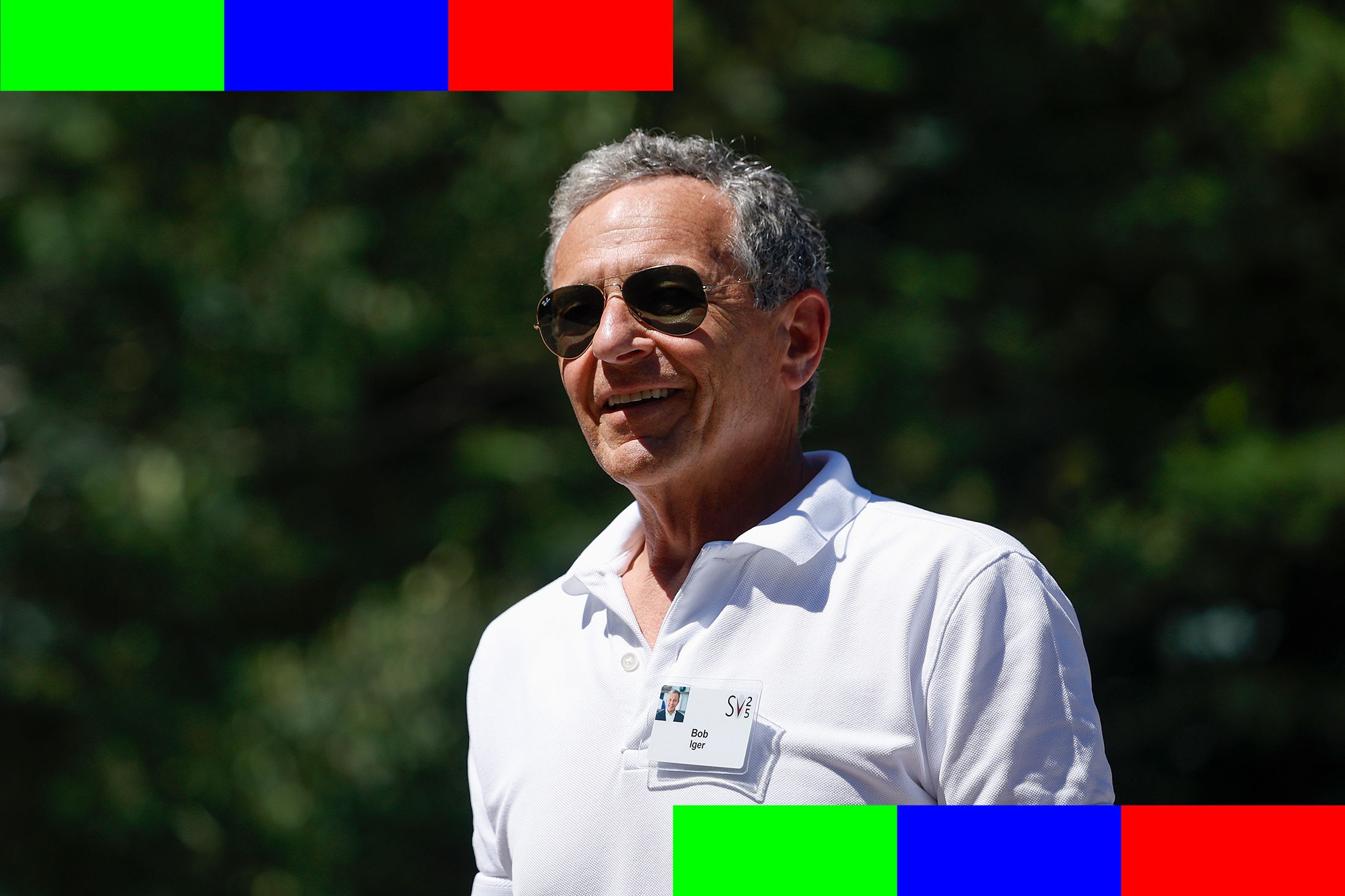
In October 2005, Bob Iger was just a few months into his new gig as CEO of the Walt Disney Company when he announced a deal that would stun the entertainment industry. Standing next to Steve Jobs on a stage in Cupertino, Iger said that Disney would begin selling digital downloads of a handful of ABC and Disney Channel shows via Apple’s fledgling iTunes Store, including episodes that had premiered on TV just hours before. It was the first time a major Hollywood studio had agreed to (legally) let consumers bypass the broadcast and cable ecosystem to watch current seasons of shows as they ran on TV.
Exactly 20 years later, and likely just weeks away from announcing his (second) successor, Iger is once again trying to play trailblazer. As my colleague Eric Vilas-Boas outlined today, Iger’s first-of-its-kind deal with OpenAI lets consumers (legally) bypass the Hollywood ecosystem of writers, actors, and animators to create their own short-form videos featuring Disney characters. Some of these creations will even end up streaming on Disney+, allowing subscribers a choice between George Lucas’s Star Wars and George from Ohio’s Darth Vader vs. Ariel. To further cement Disney’s commitment to artificial intelligence, the company is also making a $1 billion investment in OpenAI.
For anyone who’s skeptical about AI and dubious about its utility, today’s news is incredibly depressing. At a time when legacy companies like Disney are slashing budgets and cutting jobs, Iger is investing in tools aimed, quite literally, at making traditional Hollywood storytellers obsolete, or at the very least, a lot less relevant.
So why make such a deal? Well, it’s worth recalling that Iger faced plenty of doubt over his 2005 iTunes deal. Naysayers predicted it would do massive damage to the broadcast and cable ecosystem by pushing down ratings and reducing ad dollars, hurting one of Disney’s biggest profit centers. It turns out the doubters got it half-right: While iTunes downloads ultimately amounted to just a small ding to network bottom lines, they foreshadowed the much bigger threat just a few years away — subscription video on demand, or what most folks just call “Netflix.”
Iger’s embrace of iTunes resulted in other companies jumping on to the digital-download bandwagon and helped open a whole new market of digital sales for studios. None of it was as profitable as the old system, but it also beat the alternative (unchecked digital piracy). And in retrospect, Iger looks prescient for having positioned Disney as a leader in the new digital world. No doubt he’s hoping one of his final big acts as CEO will be judged the same way, but I’m not so sure. At the time of the iTunes deal, Apple already had a long track record of success and its leader, Jobs, was a confirmed visionary. I don’t know OpenAI’s Sam Altman, and he’s definitely not a friend of mine, but I do know this: Sam Altman is no Steve Jobs.
|
|
|
Tale of the Tape: How Netflix and Paramount Measure Up in the War for Warners |
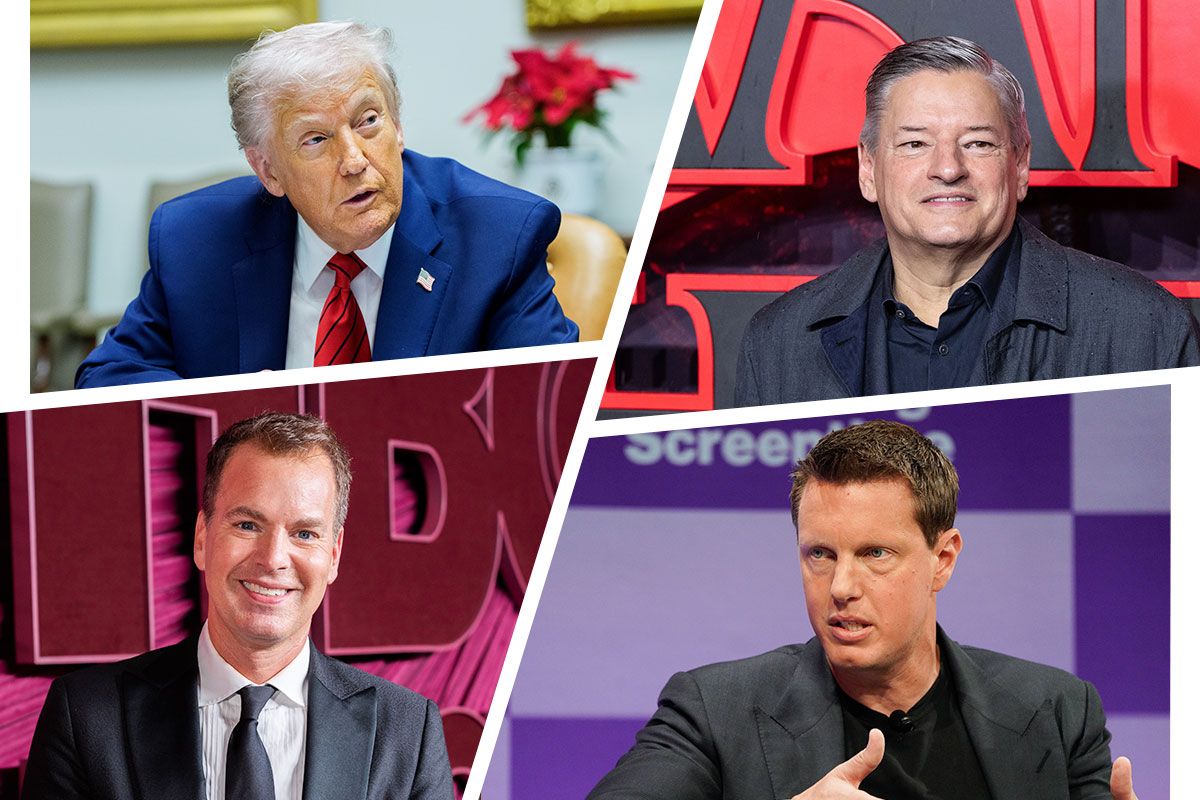
What a year the past week has been in the battle for Warner Bros. Discovery. In just seven days, Hollywood has gone from thinking that Paramount was the inevitable winner of the David Zaslav–led media empire to the shock news that Netflix had signed a purchase agreement for the WB studio and streaming assets — only to wake up Monday to witness Paramount and its CEO David Ellison mounting a hostile takeover attempt for the company. Even the Animaniacs would have trouble squeezing all these developments into a single song.
Given how much of a rollercoaster ride this story has already been, it would be foolish to try to predict what will happen next, let alone how this whole thing ends: Maybe Comcast somehow re-emerges with a new bid, or some other unexpected player pops up. Except for Zaslav walking away with another massive payday, very little feels certain. What we do know is that right now, WBD shareholders are pondering what to make of Paramount’s counter to the Netflix deal that their company’s board accepted last week. In this era of late-stage capitalism, most probably only care about which deal is the most financially lucrative for their own portfolios.
But for the rest of us, what happens to Warner Bros. Discovery is about the fate of a whole bunch of beloved brands and channels, and the kinds of TV shows and movies and news reporting we’ll get from them. So which of the two suitors — Netflix and Paramount — would do the best job as custodians of the Warner Bros. Discovery assets? Here’s the current tale of the tape as seen on four key fronts: |
HBO: “Casey Can Do Whatever He Wants” |
Hours after the deal was announced last Friday, one Warner Bros. Discovery veteran told me Netflix buying the company’s studios and streaming business “may be the least worst option” for HBO vs. being folded into Paramount or Comcast. This person’s thinking: Netflix has the money to keep the iconic brand fully-funded, plus the tech acumen and global reach to connect its shows to the widest possible audience (particularly more niche plays like The Rehearsal or I Love LA).
What’s more, an HBO leadership based at Netflix would be able to fully focus on the brand’s historic mandate — to make the best, most prestigious shows on television — and not have to worry as much about making more mainstream fare to flesh out the “Max” part of HBO Max. “They have been doing gymnastics to make themselves into a general entertainment brand,” Sarandos said Monday during an appearance at the UBS media conference, referring to HBO execs. “I think under this transaction, they don't have to do that anymore. We already have a very well-established general entertainment brand, and we want HBO to double down on the things that people have loved for 50 years about HBO.”
Of course, there’s no reason to think Paramount leadership would mess with the HBO formula, either. Under Par’s old leadership, that company’s own premium brand, Showtime, has been all but destroyed, leaving Paramount+ desperately in need of the kind of upscale content that gets a certain subset of subscribers to shell out for a higher tier. Indeed, one of the key reasons Ellison and Skydance recruited former Netflix content boss Cindy Holland to run Paramount+ is because of her chops at making exactly that kind of programming. While in theory that might result in some overlapping of skill sets between her and Bloys, Holland is not known as a micromanager (just the opposite), and both execs have a reputation for getting along well with others.
And yet, even if Netflix and Paramount are likely to leave HBO alone — at least in the short term — there are some red flags attached to either takeover scenario. At Paramount, the company’s close relationship to the Trump White House, plus the fact that Paramount+ is already pretty conservative-coded (Taylor Sheridan, CBS crime dramas), might limit its appetite for the sort of risk-taking and edgy fare HBO is known for. As for Netflix, despite all the talk of giving HBO the freedom to operate as its own independent unit, it’s probably worth worrying that Sarandos and Peters will eventually want HBO to adapt the Netflix Way of doing things: Data-driven decision-making, binge drops of series, limited marketing of all but the biggest titles, worshipping at the altar of the algorithm. But these fears could also be overblown: Disney, the most family-friendly brand on earth, ultimately had no problem adding shows like All’s Fair and Dying for Sex to its streaming universe, and has also given FX boss John Landgraf a wide berth to keep operating not much differently than he did before the Mouse House took over. And if HBO can survive a decade of management by a phone company and a cost-cutter like Zaslav, it will probably be OK no matter which conglomerate gets control. “Casey will be in a position to do whatever the hell he wants,” says one industry vet.
|
Cable Networks: Independence or the Bundle? |
WBD’s would-be buyers take two very different approaches to the company’s basic cable channels: Paramount wants them; Netflix doesn’t. That’s because Ellison & Co. want to buy Warners as it is today, while Netflix prefers to let Zaslav continue with the plan he announced last summer to spin off the cable holdings into a new company called Discovery Global, leaving Netflix to snap up everything that’s left behind (the studios, HBO Max, HBO and, per a WB networks spokesperson, Turner Classic Movies). Either way, big changes would result.
At least in the short term, the culture shock for the cable side of the business would be most severe if the Paramount plan succeeds. If it takes control, it would almost surely fold networks such as CNN, TNT, HGTV, and TLC into the same division which now houses everything from CBS, Comedy Central, and MTV to the smoldering ashes of Showtime. That would certainly create a ton of scale, but also all sorts of what business folks like to call “redundancies.” While the Warners cable networks are already running on a shoestring budget, they’d face even deeper cuts under Paramount since there would be no need for separate divisions running marketing, PR, business affairs, etc. And while the new Skydance leadership team have said some hopeful things about trying to reverse the years of damage their predecessors did to the company’s once-mighty cable brands, it’s hard to see the streaming-obsessed Ellison caring about any of the WB basic cable brands, save one: CNN. (More on that in a bit.)
By not buying the cable networks, Netflix offers a different future — one that might actually be a bit more hopeful. If Paramount doesn’t succeed in the next few months and Discovery Global becomes a thing, its cable networks will become part of a new company that, for the most part, will care only about preserving the linear cable channels, since they’ll be its primary (and still lucrative) source of revenue. We’ve seen this movie already in the form of Versant, the new home of most of NBCUniversal’s legacy cable channels (save Bravo). It’s still an infant, but already, the company has moved to hire new staff, announce plans for ways to stream its content, and launched big marketing campaigns for channels such as MS Now (the former MSNBC) and CNBC. It is laser-focused on taking the hundreds of millions its cable channels still bring in and funneling it back into Versant — rather than watch as those revenues get diverted to NBCU’s main priority, Peacock.
Something similar would likely play out during the first few months of Discovery Global — though the post-separation euphoria might be short-lived. That’s because a stand-alone Discovery Global might then decide to snap up more cabe holdings, or vice-versa, perhaps creating a scenario where CNN and MSNBC end up under one roof. But even if that did happen, that combined cable behemoth might leave its individual networks with more autonomy — and upside — than if Paramount claimed them.
|
Movies: Will WB End Up a “Ghost Town” Like Fox? |
It’s no secret that wide swaths of the movie business — theater owners, producers, directors — are not fans of Netflix. The company makes most of its films for its own platform vs. cinemas, and even when it does put movies in theaters, it’s only for a couple weeks. Unsurprisingly, then, the conventional wisdom in much of the reporting around both bids has been that Paramount offers a brighter future for Warner Bros. Pictures (and the movie business in general) then does a world where Netflix owns everything from Barbie to Casablanca. My colleague Chris Lee has also mulled the competing bids, and his main takeaway is: Trust no one. “Paramount said it is going to do 30 films a year, which is nuts,” Lee says. “But I don’t think anyone believes Sarandos when he says he will honor the theatrical commitment, at least not beyond what is currently contractually obliged.” Either outcome in this deal drama is likely to result in fewer movies being made and higher unemployment in Hollywood — which is exactly what happened when Disney bought 20th Century Fox. “That studio division is a ghost town now,” Lee says.
I don’t disagree with my colleague’s gloomy assessment of the situation: These kinds of mergers are almost never good for artists, and time and again, we’ve seen consolidation result in less risk-taking, a greater reliance on “franchises” and, almost always, many people losing their jobs. I also get why many folks think Paramount will be “better” for movies since that company has historically been far more respectful of industry norms regarding theatrical windows.
But while I don’t think Sarandos will ever give up his quest to shorten those windows or to make a whole bunch of movies that live exclusively on Netflix, I do think that, as with HBO, there’s a chance Netflix actually wants Warners to do what it does well: Cranking out movies that make $1 billion or more in theaters. As Apple demonstrated with F1: The Movie this year, it is possible for a streamer to make a (modest) blockbuster that gets a long theatrical run and still adds value to your digital platform. Netflix doesn’t have the decades of experience in the distribution business that Warner Bros. Pictures have, and it’s only just beginning to understand the franchise business. Warners gives it both of those things, as well as a license to start experimenting with more traditional releases. Maybe I’m being naive, but I think it would do just that.
Quite frankly, a Paramount win feels like Disney-Fox all over again: 1 + 1= 1.25. Whether it means slashing staff at Warners or Paramount, Ellison will have enormous incentive to combine operations at the two studios and focus solely on maximizing the IP of both libraries. And unlike Netflix, which already has a massive global distribution base to justify significant spending on movies (and content in general), the combined Paramount Warner Bros. would be swimming in debt, a balance sheet made worse by the spending that will be needed to improve the awful tech behind Paramount+ and to get its global subscriber base close to where Netflix stands. So while the filmmakers who get greenlights from a Par-owned Warners won’t have to worry about their movies being seen in theaters, it seems entirely possible to me that there will be fewer overall greenlights from Warners if Paramount’s wins than if Netflix does.
|
This one is easy: From the minute he started making his play for Paramount, Ellison has shown he will leave no MAGA ass un-kissed in his quest to win the approval of Trump, his administration, and |
|
|
|