
Most people never think twice about their sleep position.
But new research shows that sleeping like THIS increases the risk of certain heart symptoms.
Do you have any of these symptoms?
- Tingling or numb hands
- Chest tightness
- Waking up short of breath
- Morning fatigue regardless of your sleep
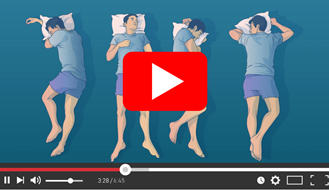
On their own, these may not seem serious.
But Harvard cardiologists warn that any combination of these can be silent signs of cholesterol crystals forming in your arteries.
These jagged crystals don’t show up on blood tests…
But they silently slice and inflame artery walls leading to heart failure.
Click here to see the full list of silent heart symptoms you can’t afford to ignore
caused by forces operating on the water, such as temperature and salinity differences, atmospheric circulation (wind), and the Coriolis effect. Tides create tidal currents, while wind and waves cause surface currents. The Gulf Stream, Kuroshio Current, Agulhas Current and Antarctic Circumpolar Current are all major ocean currents. Such currents transport massive amounts of water, gases, pollutants and heat to different parts of the world, and from the surface into the deep ocean. All this has impacts on the global climate system. Ocean water contains dissolved gases, including oxygen, carbon dioxide and nitrogen. An exchange of these gases occurs at the ocean's surface. The solubility of these gases depends on the temperature and salinity of the water. The carbon dioxide concentration in the atmosphere is rising due to CO2 emissions, mainly from fossil fuel combustion. As the oceans absorb CO2 from the atmosphere, a higher concentration leads to ocean acidification (a drop in pH value).
The ocean provides many benefits to humans such as ecosystem services, access to seafood and other marine resources, and a means of transport. The ocean is known to be the habitat of over 230,000 species, but may hold considerably more – perhaps over two million species. Yet, the ocean faces many environmental threats, such as marine pollution, overfishing, and the effects of climate change. Those effects include ocean warming, ocean acidification and sea level rise. The continental shelf and coastal waters are most affected by human
