Red light benefits begin with the right device—and dose.
Red light therapy has grown hugely in popularity, and the conversation around it tends to swing to extremes. Some people treat it like a cure-all. Others try a device that never had the strength or design to work in the first place and walk away convinced red light is overrated.
The truth sits somewhere in the middle. Red light does have meaningful potential, but the experience depends heavily on the device and how it’s used. When the wavelengths are off, the output is too low, or the dose is inconsistent, it becomes very hard to feel the benefits the research points to.
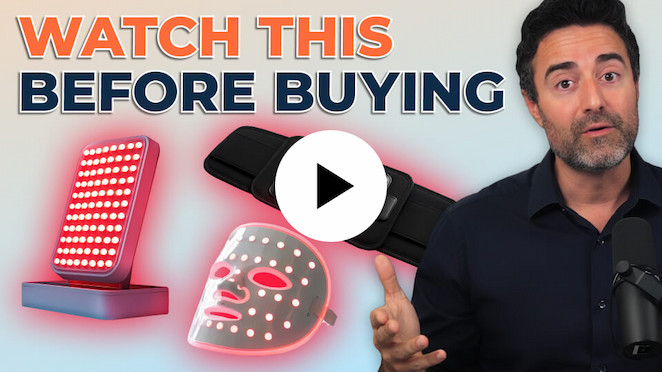
That’s what led me to record this week’s episode of Ruscio Radio. Instead of the hype or the skepticism, I wanted to offer a grounded, practical guide that explains what actually makes a red light device effective and how to use it in a way that supports real results.
Inside the episode, I cover:
The key specs that signal a quality device
How to compare panels, masks, and handheld options
My preferred devices and when each makes sense
Simple guidance to help you get an effective dose
If you have been curious about trying red light but aren’t sure where to start, this guide will help you understand what matters, what doesn’t, and how to set yourself up to get the best experience possible.
In Health,
Dr. Michael Ruscio, DC
Adjunct Professor, University of Bridgeport Clinical Researcher